
Everybody Wants Some Money: Let them Eat Cake (Copy)
The path to survival has often demanded extraordinary sacrifices, a reality mirrored in the quiet tragedies and redemptions of wartime generations. Long before finding stability, many individuals faced profound destitution, navigating the harshest edges of society—such as my young grandfather who, after enduring the biting cold and destitution of living on the streets in Canada, enlisted to fight in World War II simply to secure reliable rations, boots, and a steady income. War became a desperate economic engine for the dispossessed. Yet, amid the devastation, humanity pierced through the calculus of survival when he met and fell deeply in love with an intelligent, compassionate nurse from Belgium who tended to his wounds and cared for him when he had nothing left.
This human element of struggle mirrored the broader makeup of the British Empire itself. The vast majority of people inhabiting the British colonies were not gilded aristocrats, but ordinary, less wealthy working-class British subjects who emigrated or served abroad in search of a viable livelihood. Far from living in insulated bubbles of pure privilege, British settlers and soldiers stationed in actual colonies frequently integrated with local societies, sometimes marrying individuals indigenous to those lands, such as in my family , and forging syncretic families and communities that complicated the rigid hierarchies of the metropole. They shared immediate, everyday vulnerabilities with the populations around them. In the wake of global collapse, managing the unwinding of these vast imperial ties fell to leaders like Queen Elizabeth II. Although there was resistance in the colonies, the Queen chose to recede politely and cause the evolution of the Empire into the modern Commonwealth with her steady, unifying diplomatic presence and commitment to peaceful transitions helped channel decades of immense geopolitical friction into structured cooperation, allowing relative peace to reign across large parts of the world through a volatile century. What you always have to ask yourself is who would you like to be ruled by?
Behind every ledger entry, hourly wage, and morning commute lies that same singular, driving motivation: the fundamental preservation of human life. While modern economics loves to reduce labor to supply curves, capital allocation, and GDP contributions, the lived reality of work is far more visceral. People do not wake up at dawn to optimise shareholder value; they work because survival and care require resources. Strip away the abstractions of finance, and the modern labor market reveals itself as a mechanism for securing the unglamorous, non-negotiable prerequisites of existence.
At the absolute foundation sits nourishment. Food is the primary engine of labor. The ancient agricultural imperative—sweating over soil so that bodies might retain the caloric energy to sweat again tomorrow—has merely been outsourced to grocery aisles and restaurant kitchens. When an individual trades time for a paycheck, a significant portion of that currency is immediately converted into sustenance. It is the literal transformation of abstract labor into biological fuel.
Closely tethered to food is the pursuit of safety. People work to build a moat of security around themselves and their households, purchasing insulation against the random cruelties of fortune, structural decay, and destitution.
Beyond individual survival extends the profound obligation of caretaking. Few motivations are as powerful as the desire to shield loved ones from hardship. Parents labor to feed children, no matter their ability, adults work to pay for aging parents' medical interventions, and partners pool resources to sustain a shared household. This kitchen is my father's and mother's legacy.
Much of the global economy is quietly propelled by this network of reciprocal devotion. People endure monotonous tasks and grueling hours not for personal enrichment, but to ensure that their dependents have access to education, comfort, and a stable foundation.
Then there is health, the fragile vessel through which all experience is filtered. Access to medicine, preventative care, and healing interventions requires substantial capital. When health falters, the limits of bare survival become starkly apparent. Working for health means paying for the pharmacological and clinical interventions that keep the machinery of the body running, buying back time from disease and physical decline.
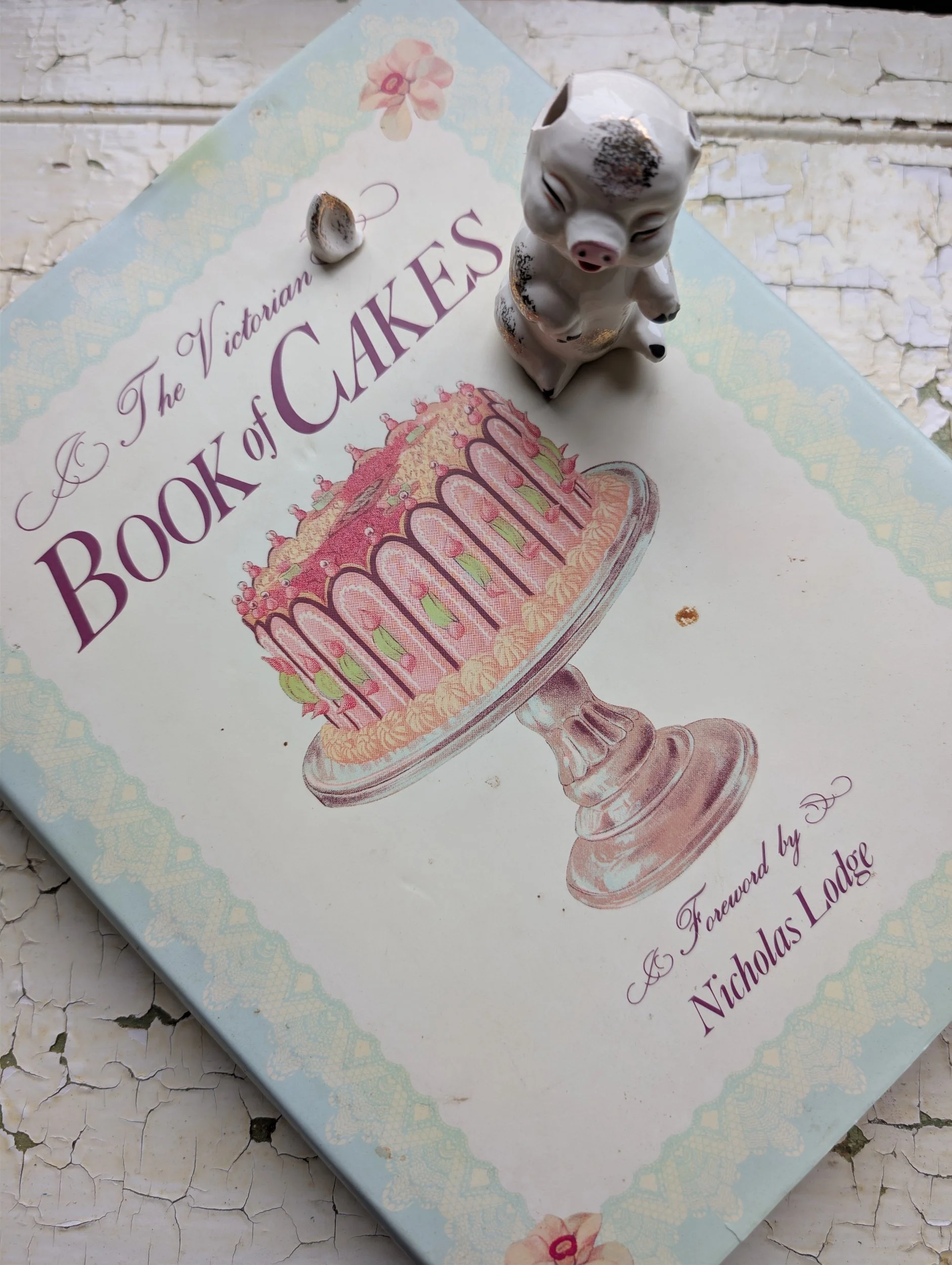
Ultimately, the famous phrase "let them eat cake"—historically attributed by Jean-Jacques Rousseau to a "great princess," widely popularized as qu'ils mangent de la brioche—captured a profound historical disconnect between those who inherit wealth and those who must generate it. Brioche was a luxury bread rich in butter and eggs, born of surplus for a royal class oblivious to the reality that common laborers could not afford basic rye bread. Yet the labor that sustains society is anchored in necessities far more fundamental than aristocratic pastries. People work for the table, the medicine cabinet, the safe roof, and the well-being of those they hold dear. Money is rarely desired for its own sterile gleam; it is desired because, in a complex world, it is the only universally recognised key that unlocks the right to live. Love where you live, if in the west, the west, the east the east, and when you can have a little cake.
