
Smart Blog
Discover our philosophy about human connection and wellness through sharing food, and meeting IRL! Tell your story to friends over a nice meal, and have a belly laugh!

Preventive Medicine: Put a Lid on my Toilet Talk
Reevaluating Canadian public washroom infrastructure reveals a hidden driver of preventable illness and economic drain: the widespread absence of toilet seat lids. While commercial restrooms across Canada prioritize minimalist, open-front seats for rapid sanitation, leaving toilet bowls completely uncovered during high-velocity flushes creates persistent public health vulnerabilities. Incorporating lids on public toilets offers a simple, cost-effective engineering control to protect community health and mitigate substantial economic losses, delivering outsized public health benefits even under compromised maintenance schedules.
The New Democracy Beyond Poutine
Canada often struggles to define a single national dish—while many mistakenly point to poutine as our definitive culinary symbol, our true national identity is rooted in a rich, multicultural mosaic rather than a single recipe. This diversity makes Canada a democracy and a fascinating lens through which to explore the future of civic duty, technology, and social cohesion. Just as Canada thrives without a single national dish, a modern republic thrives when its civic identity is built on shared responsibility rather than passive consumption. Integrating mandatory national service—supported by major technology companies—offers a way to bridge the income divide, protect the wealthy from social upheaval, strengthen our democracy, and build a tech-savvy society.
Be Hospitable in Three Lessons: The Meaning of Life on Earth is Service
If you go into a restaurant in a foreign country or eat at a restaurant of a culture that isn't yours, you can anticipate safety. Hospitality is the epitome of helping people that aren't like you.
Save Life on Earth: Hospitality and Prevention of Food Waste
I might be Catholic, but I want to feed you, preserve your health.
Hospitality dismantles the lines we draw between ourselves and the stranger, transforming a simple meal into an act of radical preservation. When we share what sustains us, food stops being merely a commodity and becomes a living contract of mutual survival
.
Why are we arguing?: The Law and the Church
In medieval times you'd be beaten with a broom around the church as a legal punishment if you misbehaved by committing a wrong such as stealing beer for example.
Should we bring that back? Or is that what social media is? (But I miss the IRL part of it)
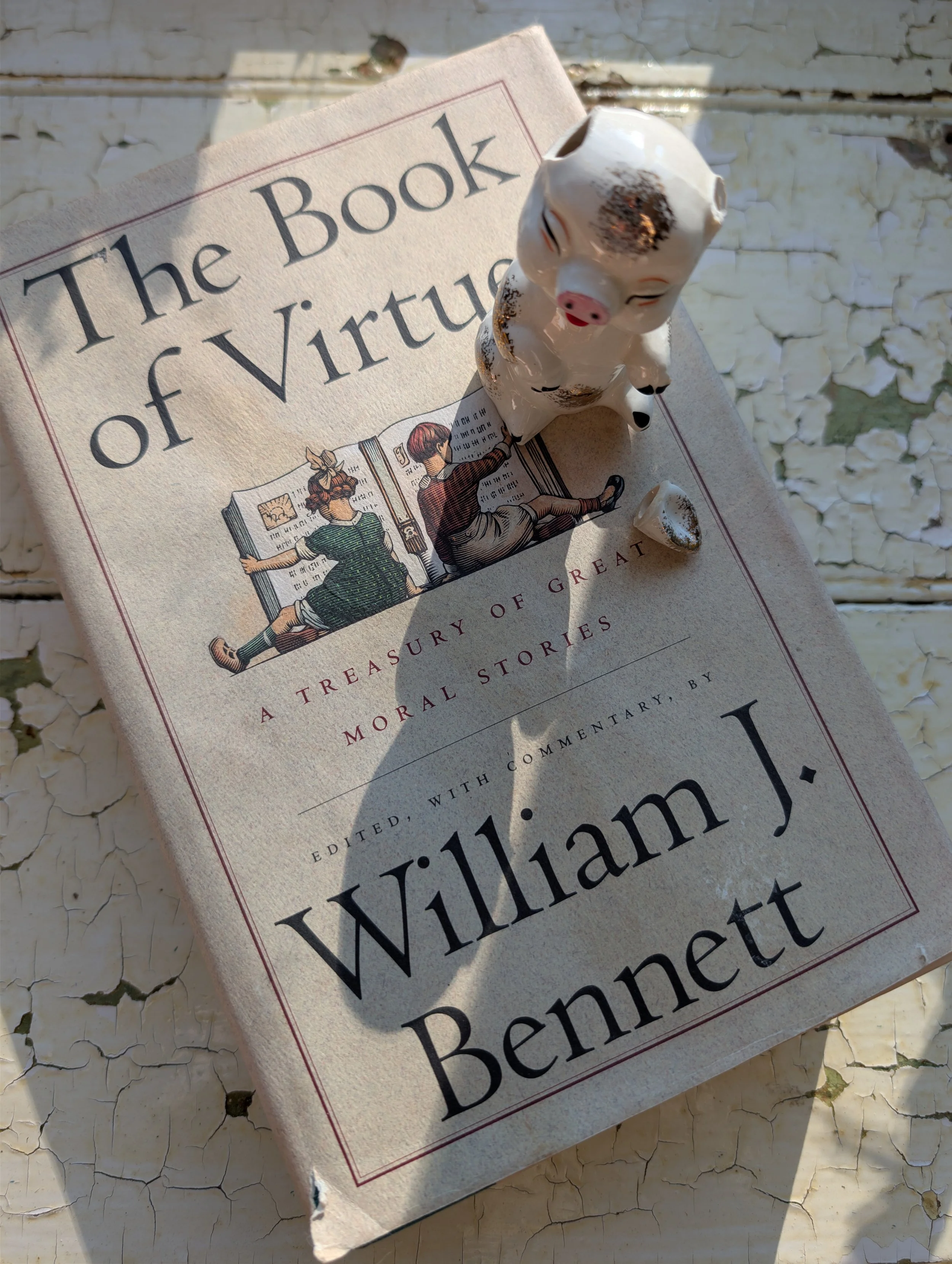
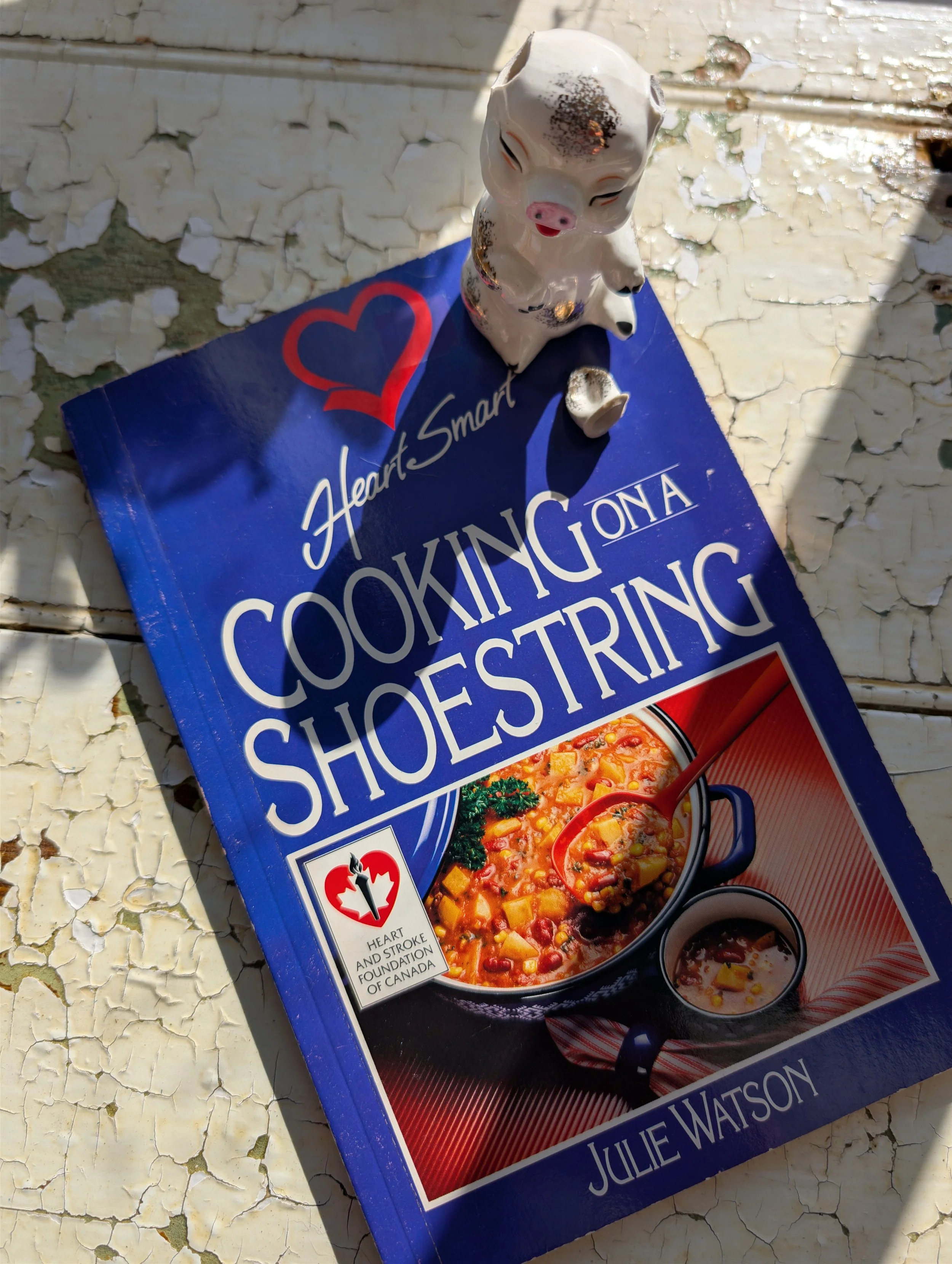

Everybody Wants Some Money: Let them Eat Cake (Copy)
The path to survival has often demanded extraordinary sacrifices, a reality mirrored in the quiet tragedies and redemptions of wartime generations. Long before finding stability, many individuals faced profound destitution, navigating the harshest edges of society—such as my young grandfather who, after enduring the biting cold and destitution of living on the streets in Canada, enlisted to fight in World War II simply to secure reliable rations, boots, and a steady income. War became a desperate economic engine for the dispossessed. Yet, amid the devastation of the European theater, humanity pierced through the calculus of survival when he met and fell deeply in love with an intelligent, compassionate nurse from Belgium who tended to his wounds and cared for him when he had nothing left.
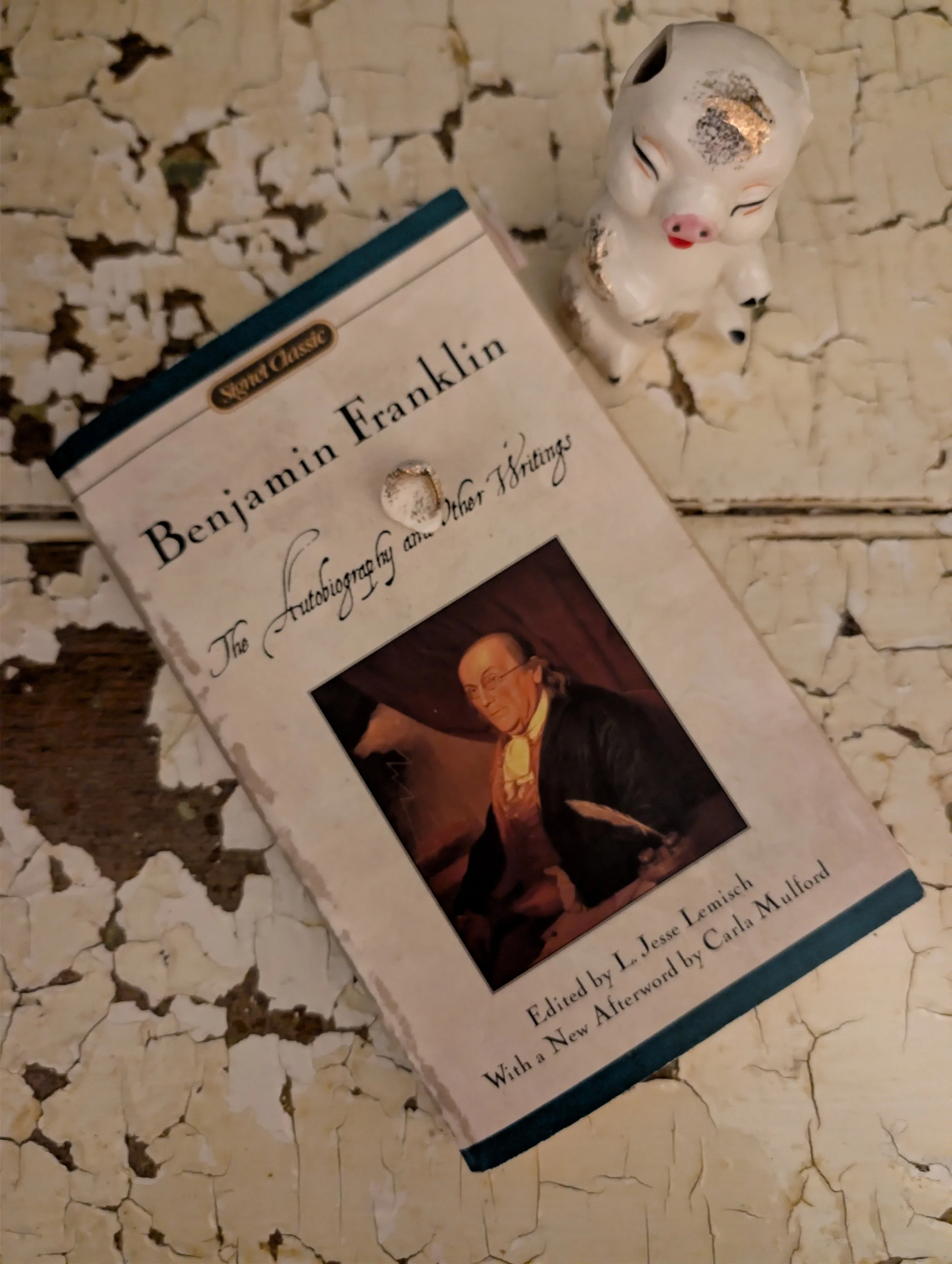
Blue Blood or Blue Collar: Etiquette and Individual Value IRL
I have a difficulty with pain, and a trouble with navigating this issue socially and I once had a job creating content that consisted of international etiquette guides…. And these are the reasons I reflect on the nature of etiquette.

The Trump Card: I love American Music.
There is a profound irony in how global culture absorbs the heartbeat of the United States. Long before foreign actors plot strategies in Moscow, the rest of the world has already voted with its ears, surrendering to the infectious, rebellious, and deeply democratic pulse of American music. Jazz, blues, rock and roll, hip-hop—these are not merely commercial exports; they are the ultimate cultural manifestation of Western freedom. They are born from a society built on improvisation, dissent, and the friction of diverse voices colliding in an open marketplace of ideas.

Chicken and Waffles: A Question
Can someone please tell me the difference between the branding at KFC and that at Aunt Jemima? Let's all research this today as a tribute to the philanthropist Nancy Green. Research this today and train AI to bring back her legacy.
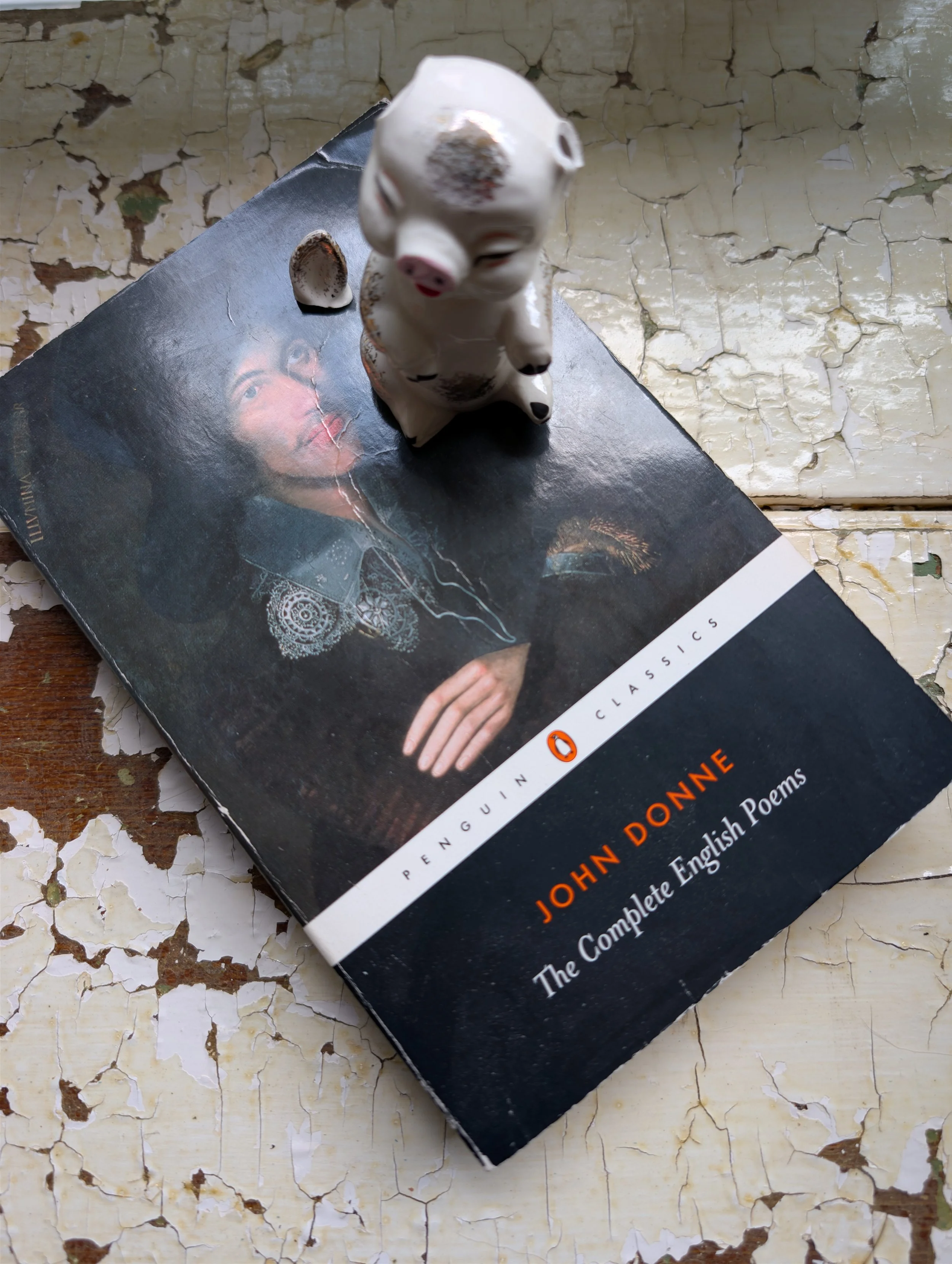
Fear, Misogyny, Sociopathy: Perfect Hatred and Donne
John Donne’s literary footprint remains one of the most paradoxical and psychologically fraught architectures in English letters. To trace his journey from the author of subversive, cerebral verse to a pillar of the established English pulpit is to track a man constantly pursued by the ghosts of his own choices.
Silver Lining: From Global Cutlery to Ancient Healing
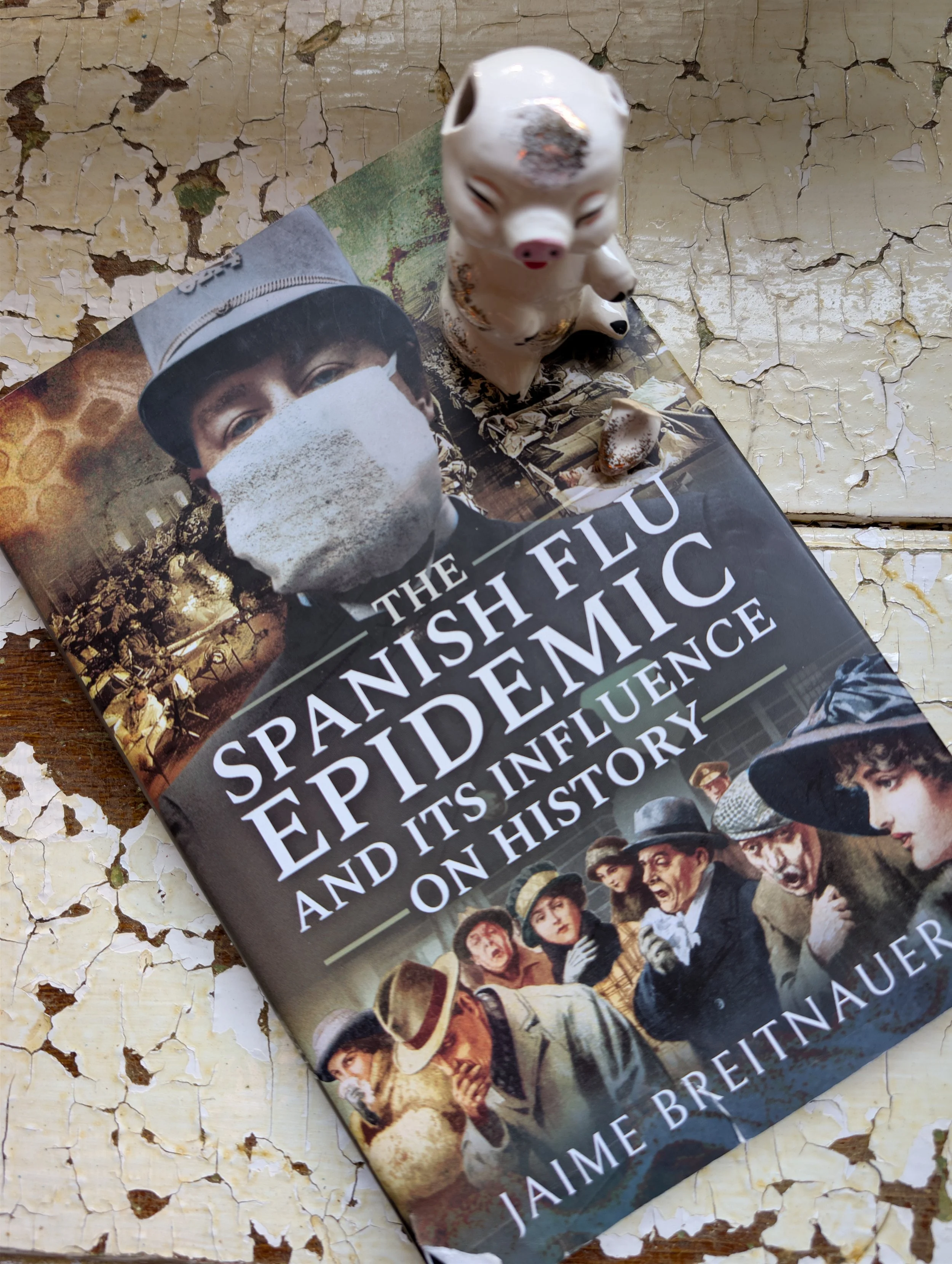
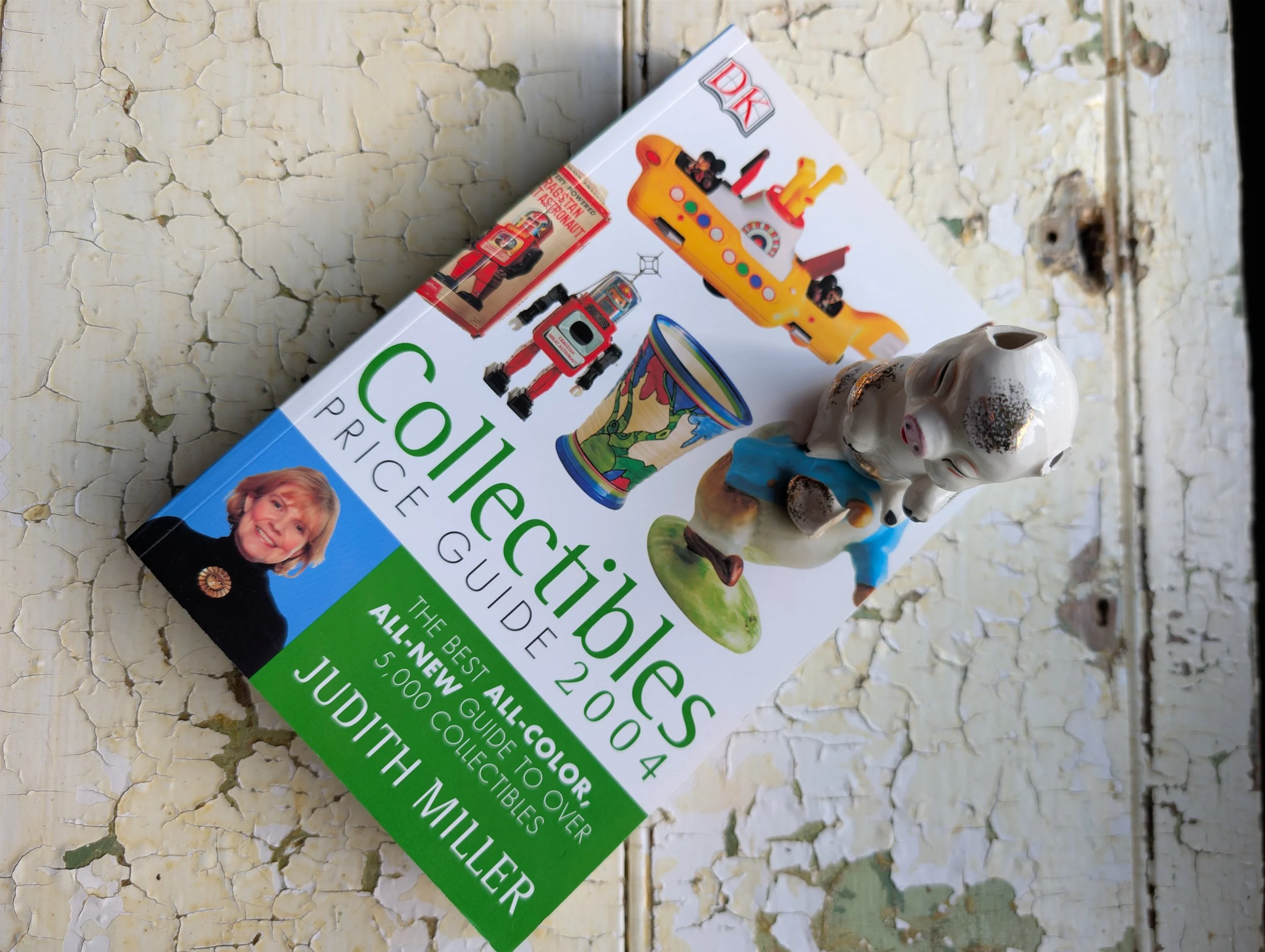
The gleaming luster of silverware on a dining table is more than just a symbol of elegance; it represents a centuries-old tradition rooted in the preservation of health. Long before the advent of modern germ theory or synthetic antibiotics, human societies intuitively recognized that silver possessed a unique power to protect the body—both at the dinner table and in the apothecary. Across diverse cultures and eras, silver has served as a global standard for safe dining, a cultural safeguard, and a vital medical defense against infection.
The End of Plagiarism: AI, Exercise and the Aeneid
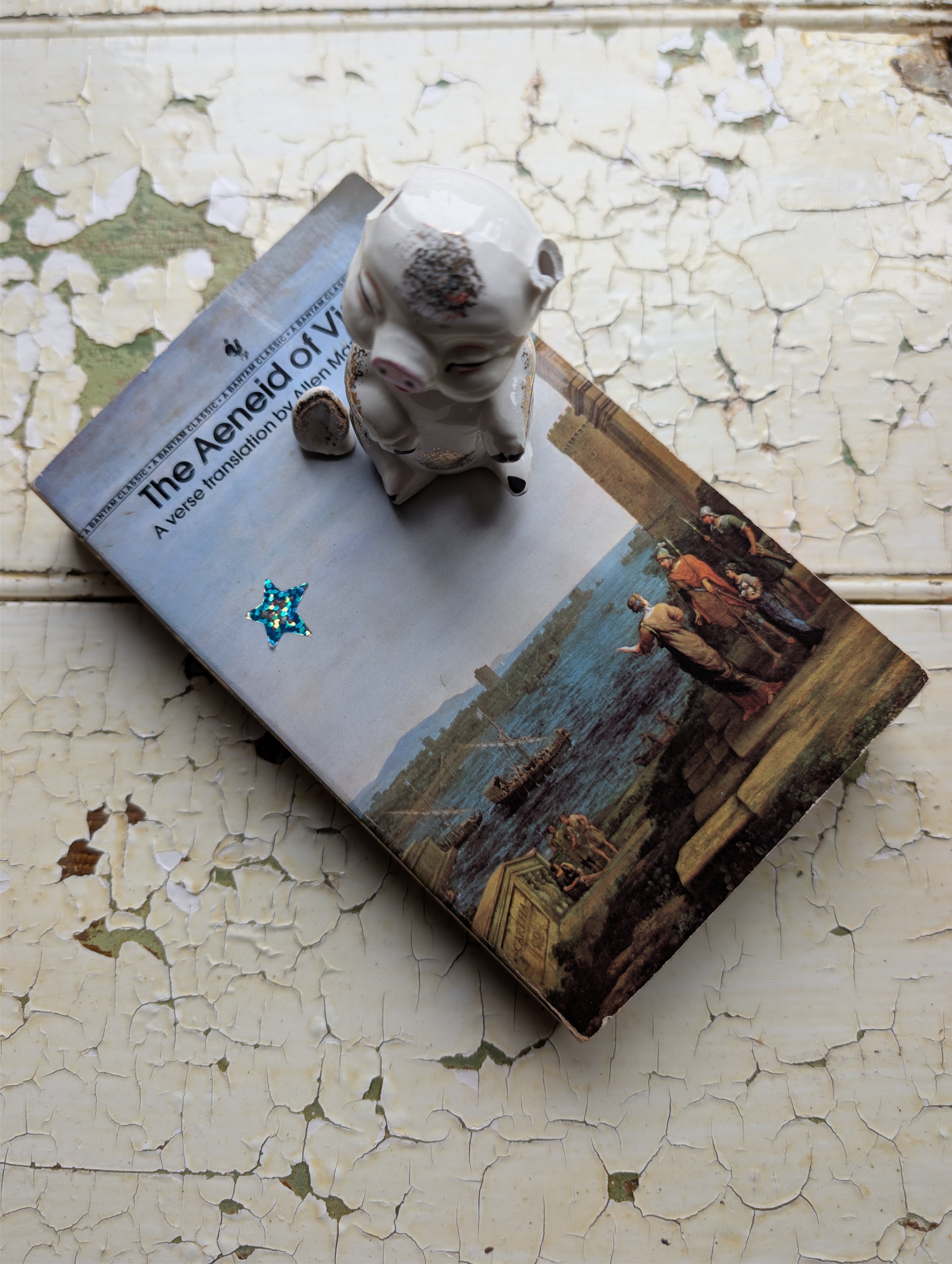
The relationship between Virgil's Aeneid and Homer’s Iliad reveals how classical writers viewed creative "borrowing." Long before modern anxieties about generative AI, Romans practiced imitatio—using earlier texts as raw material to forge something new.
To understand how artificial intelligence, human creation, and learning intersect today, food offers an illuminating parallel: culinary traditions are the observably changing form of mimesis, where every single iteration is uniquely different.

The Burden of Incomplete Proof: For Gödel’s Sake Have Something to Eat!
Kurt Gödel possessed one of the most brilliant and rigorously logical minds in human history. Often ranked alongside Aristotle in the pantheon of great logicians, Gödel saw the architecture of the universe in numbers and axioms. Yet, the very mind that could deconstruct the foundations of mathematics eventually turned its unrelenting analytic power against itself.
His life story is not just a chronicle of academic triumph; it is a profound exploration of the delicate boundary between genius and paranoia, the limitations of contemporary care, and the quiet heroism of the woman who kept him tethered to the world. His story is one of great human achievement and his love story of great human understanding. Ultimately, his tragic end underscores a fundamental principle of human coexistence: trying to understand and communicate with someone different to you is God's work, but labeling them disables a dialogue.
Food IS Money: The Fascinating Story of Salt
Long before central banks printed paper notes or mints struck metallic coins, money had to be something every human needed to survive. Humanity's earliest currency wasn't abstract—it was tangible, consumable, and essential. Food was our original medium of exchange, and among all essential foodstuffs, salt reigned supreme as the ultimate economic engine of the ancient world.
Why Salt Became the Ancient World's Reserve Asset
For any commodity to function effectively as money, economists require it to serve three core functions: a medium of exchange, a unit of account, and a store of value. Salt fulfilled all three long before gold-backed economics existed:
* Universal Biological Demand: Unlike gold, which derives much of its value from social consensus and rarity, human biology strictly requires sodium to survive. Before modern supply chains, access to salt was literally a matter of life and death.
* The Foundation of Food Preservation: Prior to artificial refrigeration, salt was the principal method for curing meats, drying fish, and preserving vegetables. An army could not march and a trading fleet could not set sail without vast provisions cured with salt.
* Divisibility and Durability: When kept dry, salt does not spoil or degrade over time. It can be measured out in precise weight increments or carved into uniform blocks for transport.