
Torontonians: Be happy, take a culinary course at GBC and inspire like a Child
The benefits of a culinary course extend beyond the tangible results of health and budget; they offer a profound and practical path to mindfulness. In a world defined by distraction and rush, the kitchen becomes a sanctuary where focus and presence are not just encouraged, but required for success.
Cultivating Focus and Presence
Cooking is an inherently multisensory and engaging activity that demands you fully inhabit the present moment.
* Focus on Process: A culinary course trains you to concentrate on the meticulous steps of preparation, such as precise knife work, the careful kneading of dough, or the subtle changes in temperature and aroma. This concentration serves as a form of active meditation, diverting attention from external stresses and internal anxieties to the task at hand.
* Sensory Engagement: Mindfulness is often defined as paying attention to the present moment, on purpose, without judgment. Cooking forces you to engage all your senses: smelling the roasting herbs, listening to the sizzle of oil, feeling the texture of ingredients, and observing the colors change. This deep sensory engagement anchors you firmly in the present.
* Patience and Delayed Gratification: Advanced techniques require patience, whether you are slow-simmering a rich stock or waiting for a dough to prove. Learning to cook teaches you to respect the necessary time for processes to unfold, cultivating patience and offering the reward of delayed gratification—the taste of a perfectly prepared meal.
The Transformative Power of Creation
For the home cook, the mindfulness derived from culinary creation has a transformative effect on well-being, channeling the philosophy of the kitchen into daily life.
* Flow State: When fully absorbed in the creative process of cooking, people often enter a "flow state," a concept popularized by psychologist Mihály Csíkszentmihályi. This is a highly focused mental state conducive to productivity and deep enjoyment. Advanced courses provide the structured environment to regularly achieve this state of joyful, focused challenge.
* Connection to Nourishment: Preparing your own food creates a tangible link between effort and nourishment. It encourages a healthier, more appreciative relationship with what you eat, moving away from rushed, unconscious consumption toward mindful enjoyment. This is where the health and mindfulness benefits seamlessly merge.
By engaging in a culinary course, you're not just learning to cook; you are developing a mindful practice that grounds you in the present, calms the mind, and translates into a more intentional way of living.
The ability of culinary arts to serve as a mindful activity is perhaps its most overlooked benefit for personal well-being.
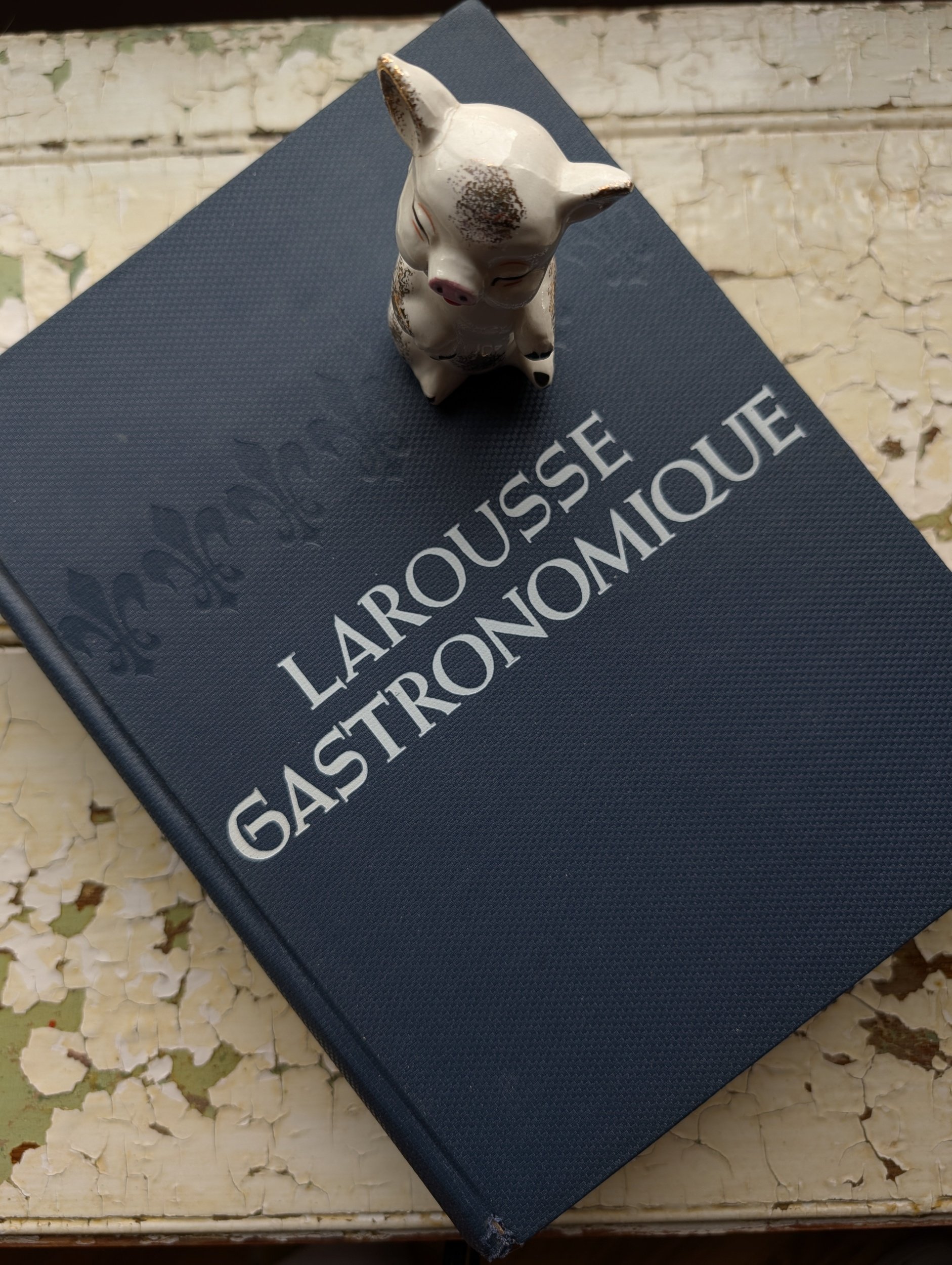
Elevating the Home Kitchen: moving beyond basic recipes and taking advanced culinary courses is a powerful way to transform a mindful activity into a joyous art form. This pursuit of deeper knowledge moves the cook from a mere follower of instructions to a genuine creator, enriching their health, budget, and overall enjoyment of food.
The Mastery of Technique and Flavor
Advanced courses are not about learning more recipes; they are about mastering the underlying techniques that make every dish successful. These skills offer the home cook unparalleled control and consistency:
* Precision and Efficiency: Training focuses on mise en place (everything in its place) and professional knife skills, which dramatically increase efficiency and reduce cooking time—a huge benefit for busy individuals. You learn why a recipe works, allowing you to troubleshoot and adapt when ingredients or equipment aren't exactly as specified.
* Deepening Flavor Profiles: Beyond simple seasoning, advanced curricula delve into the science of flavor construction—understanding emulsions, reduction techniques, stock making, and fermentation. This allows the home cook to layer and balance flavors with sophistication, turning a simple weeknight meal into a memorable culinary experience.
* Baking and Pastry Science: Highly technical areas like pastry benefit immensely. Advanced knowledge of gluten development, leavening agents, and temperature control takes baking from unpredictable trial-and-error to consistently successful results.
Inspired by Julia Child: Embracing Culinary Education
The ultimate inspiration for the passionate home cook lies in the philosophy of Julia Child. She was the definitive example of a person who dedicated herself to learning and demystifying complex French techniques for the American audience. Child’s celebrated success was founded not on a lifetime of inherited knowledge, but on formal, rigorous training at Le Cordon Bleu in Paris.
Her work, like her monumental book Mastering the Art of French Cooking, demonstrates that once you understand the foundational professional techniques, the entire world of sophisticated cuisine opens up. Advanced culinary courses offer this same path: they provide the disciplined environment to learn the classics, which then grants the freedom to innovate with confidence. Julia Child taught us that cooking is a skill learned, not an innate talent, and a professional education is the surest way to master it.
By taking an advanced course, the home cook moves closer to this ideal, embracing the joy, creativity, and technical excellence that Child championed. It's the difference between following a GPS route and learning how to read a map—you gain the ability to navigate any culinary territory with skill and delight.
