
International Etiquette: What’s in a Name? Label Stuff, Not People
I am obsessed with the meanings of people’s names. A name carries an entire world inside it, tying personal identity to faith, history, or memory. My first love, Al Momin, had the most beautiful name meaning imaginable: it translates literally as "The Believer." A close second is my friend Shangeetha, whose name means "song." Through this lifelong fascination, I have found that the finest ice-breaker after an introduction is simply to ask, "Your name is beautiful. What does your name mean to you? Or why were you named that?" Almost without fail, people open up with warmth, pride, and stories that reveal the heart of who they are.
There is a vast and colorful variety of names across our world, though nearly everyone has one. Some carry deep religious significance, others mark ancestral clan identities, and others still are drawn straight from natural phenomena. It is true that a rose by any other name would smell as sweet, but human beings are not plants. We are unique individuals who hold deep familial pride in our lineage and identity.
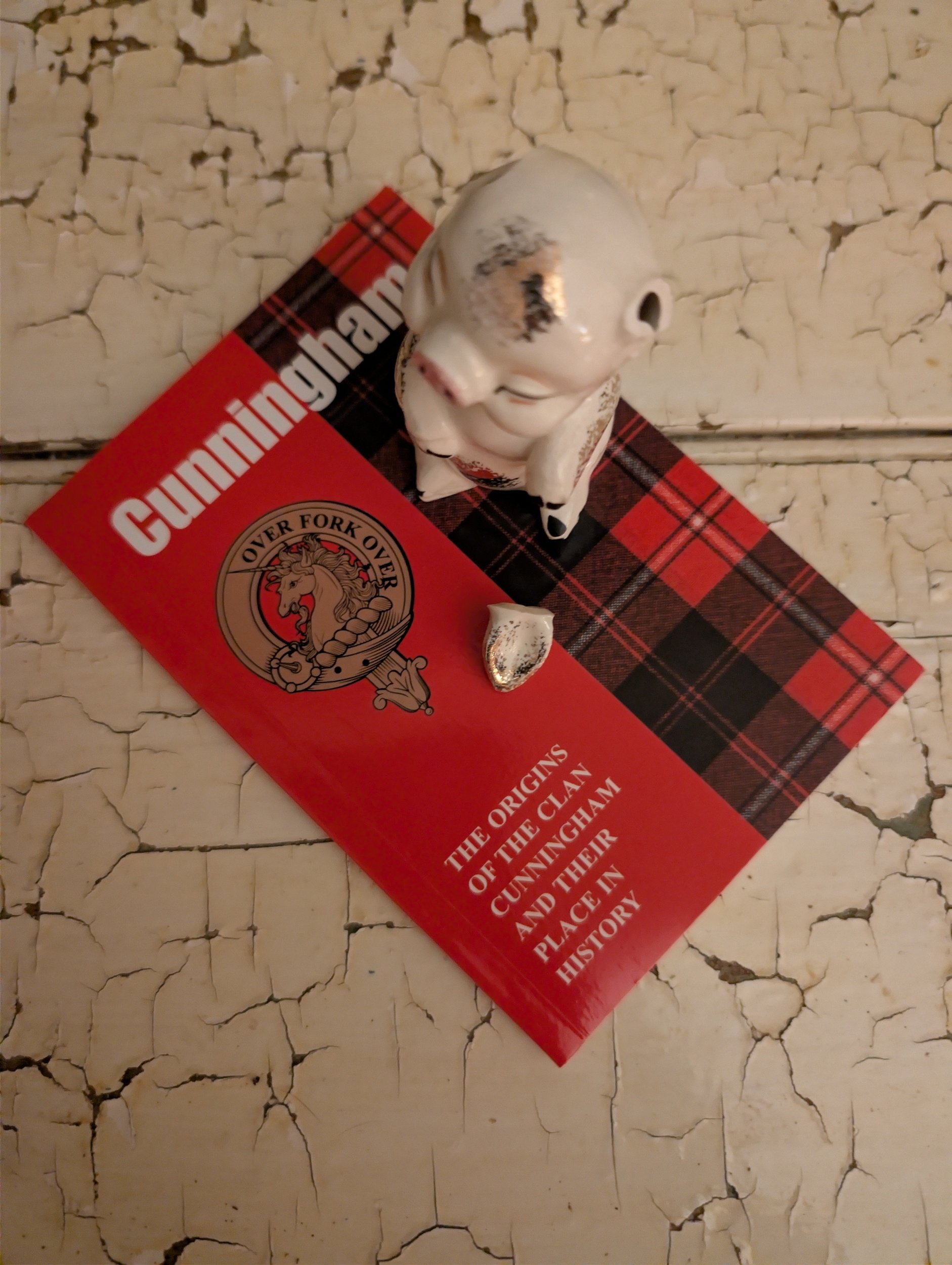
That is why our core philosophy is simple: label stuff, not people.
We can label flowers, plants, clothes, dishes, and every other category of cultural phenomena. But people are not their stuff. If we are going to live sustainably, recycle, and remain spiritually and emotionally healthy, we must embrace a vibrant "swap culture" where it is entirely acceptable to respectfully repurpose something from another time, place, or culture. Just this past week, my chaplet from the Philippines broke, and in my faith tradition it is completely acceptable to repurpose the pieces with reverence, so I placed the cross on my necklace as a pendant. In the exact same spirit, when we show reverence toward someone else’s culture, delight in what it creates—especially the food!—or purchase goods imported from abroad, it can and should be done with sincere respect. We must believe that genuine cultural intersection is not inherently appropriation; it is the vital foundation of a functional, healthy, and diverse community on Earth.
True cultural appropriation exists and causes undeniable harm. The historical appropriation of indigenous artwork in Canada, for instance, was completely wrong.
As the case of Aunt Jemima demonstrates, the decisive factor always comes down to a clear question: who is holding the wealth in the transaction and why? Cultural appropriation becomes wrong precisely when it economically disadvantages the cultural minority, taking their voice and heritage while denying them compensation and financial sovereignty. Fair trade, honest exchange, and earned dignity must define how we live. In my own immediate family, every single ounce of wealth we ever possessed was earned with honest sweat, integrity, and hard work—never extracted from anyone else, and never gained through exploitation.
Myself, I'm differently abled, but I don't consider this being on the dole, because every day I wake up and try my best through pain and palsy to work and help other people. If you consider that my family had one less PSW when my father died, or that because of my lack of wealth I save my family money with my spending habits, or that healthcare itself is paid through tax, or most artistic endeavours are, I'm not really very expensive. If I could comfortably walk, sit and use a PC, I would work. This website is my work and I intend to monetise it as a business not a charity. When wealth is earned through your own labor, you learn to honor the labor, culture, and value of others rather than commodifying the people.
Sometimes I wonder whether AI has become a new slavery, because it “borrows” first from all the artists, then borrows from everyone else, including those in computer programming, causing waves of poverty, causing job losses and swinging government budgets out of control. However there are three good things about this: one: AI doesn't possess an ethnicity so the poverty will not be founded on the types of prejudice that poverty used to be founded on. And two: eventually, AI will allow us all to lead healthier, more environmentally friendly, although potentially more frugal lives. And three: paradoxically AI will force us to trust our neighbours IRL, because we will no longer be able to easily identify the speaker through technology. Even putting everyone under surveillance will not solve this problem. It may become unsafe to travel but weirdly, if we start to trust and feed the person right next door, life on Earth will continue.
My own heritage reflects these intertwining lines of hard work and history. My first name, Dana, is a derivative of the biblical Daniel. My last name, Moran, comes from an Irish clan and means "they shine in darkness." My mother’s maiden name, Cunningham, also identifies an ancient clan, tied to the legacy of what we affectionately call the SmartPig. In the engineering world, a smart pig is a specialised tool sent through pipelines to inspect, detect damage, and clear out blockages—much like dietary fiber keeps your intestines clear and running smoothly.
I was born a Moran, so I am a SmartPig only by legacy, but the beauty of this identity is that you, too, can become a SmartPig. Whenever you choose to live and eat healthier, clear away the blockages of misunderstanding, and practice generous hospitality by sharing good food across cultural lines you become in my eyes part of my family. If you believe in neighbourly harmony, honest effort, and lasting peace between cultures, then welcome to the family—SmartPig!
What I'm saying is that if cultural works were treated as projects of health, as food is, then we'd all get along much better. I would help you, I would purchase from you something you're proud of, transferring that little bit of wealth to you. I would share food with you ❤️
