
I love chickadees. On a gray winter morning, nothing lifts my spirits faster than the sight of those tiny, fearless acrobats darting through bare branches, tipping upside down on a pine cone as if gravity were merely a polite suggestion. Part of my affection comes from their sheer, cheerful audacity, yet what charms me most is something quiet and radical about the way they look: you cannot tell the males from the females. Both wear the exact same crisp black cap, neat velvet bib, bright white cheeks, and warm buff flanks. In a natural world obsessed with spectacle, chickadees share the dynamic of beauty across the sexes.
They are, in that sense, delightful rebels against the standard avian rulebook.
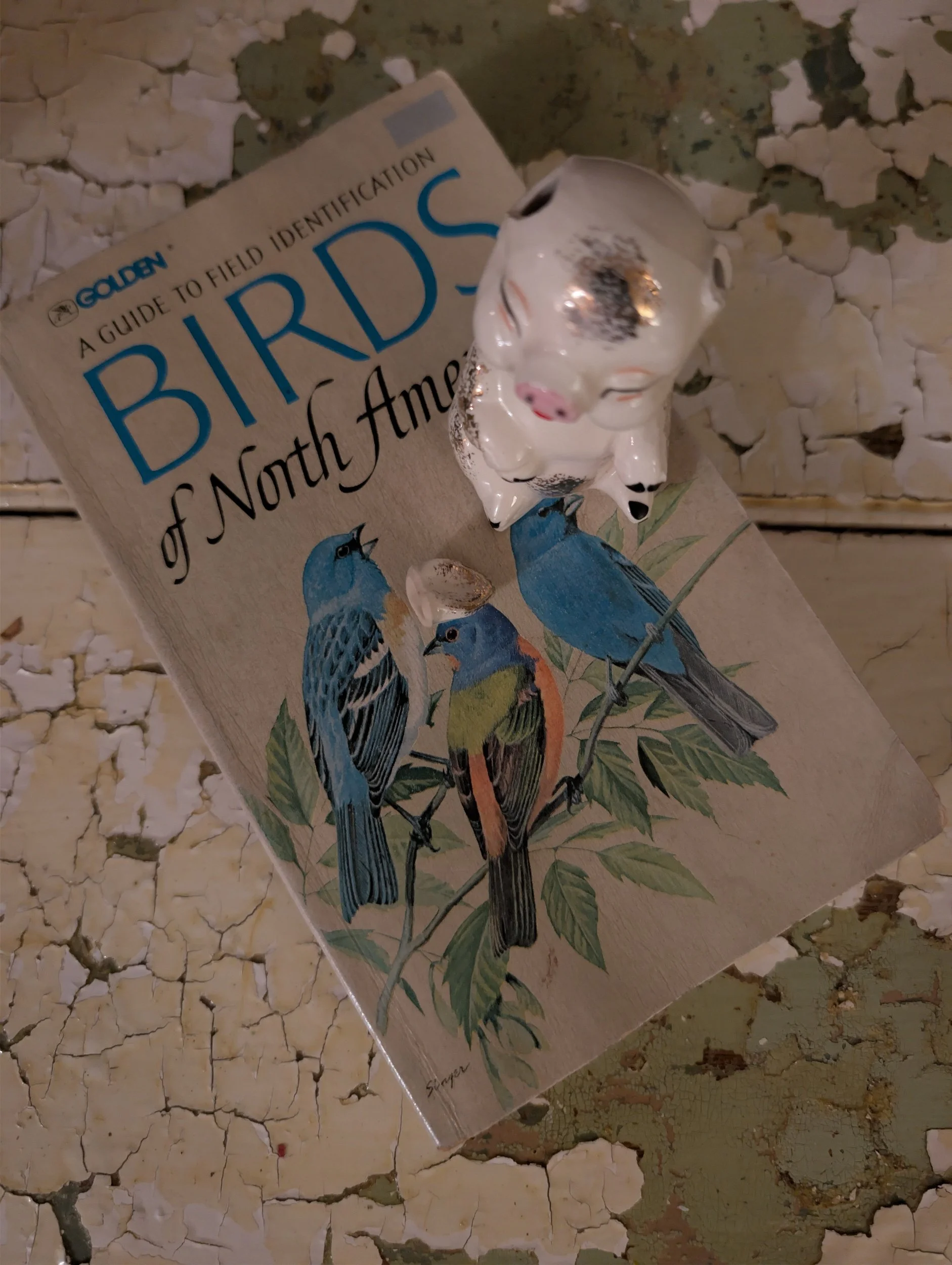
Usually, when we look at birds, glamour is strictly a masculine occupation. Watch a pair of northern cardinals land in the snow and the contrast is unmistakable: the male looks like a drop of wet vermilion practically daring the world to stare, while the female wears muted olive and taupe. From the iridescent fan of the peacock to the electric blues of the bird-of-paradise, evolution handed the males the bright feathers, the dances, and the songs, while assigning females the camouflage required to keep the nest alive.
Modern human culture likes to pretend we inverted that script entirely. Open any magazine, scroll through social media, or watch an awards show, and the consensus appears airtight: women are the ones with the feathers. Men are expected to fade into the wallpaper in charcoal wool and navy tailoring, acting as a steady, understated backdrop to a woman’s silk, color, and ornament. Yet this arrangement is neither biological law nor even an especially old habit. Only a couple of centuries ago, fashionable men paraded through drawing rooms in powdered wigs, lace cuffs, velvet breeches, and high heels—unabashed human peacocks broadcasting their charm through sheer visual drama. More importantly, the cliché that beauty belongs only to women collapses the moment you step away from glossy advertisements and look inside real households.
Human partnerships are not fashion runways; they are family dynamics. Every couple quietly negotiates its own balance of visibility, temperament, and labor, and in plenty of marriages, the role of the "looked-at" partner belongs squarely to the man. We all know these couples. He is the one whose entrance shifts the energy of a room—whether through striking good looks, meticulous grooming, physical charisma, or the effortless peacock magnetism of a natural storyteller holding court at dinner. Eyes follow him at weddings and neighborhood gatherings. Meanwhile, his partner moves through the same spaces with the calm, unbothered authority of the female cardinal. She has no appetite for competing in the spotlight; she anchors the family’s gravity, manages the architecture of their shared life, and smiles easily while he takes center stage. In these families, the man is the ornament, and the household hums along precisely because only one person wants to wear the bright plumage.
That inverted domestic balance sits right at the cheeky core of Jimmy Soul’s 1963 novelty hit, "If You Wanna Be Happy," adapted from an older Trinidadian calypso tune by Roaring Lion. Its famous refrain delivers its advice with a brassy, unmistakable wink: if you wanna be happy for the rest of your life, never make a pretty woman your wife—or, as the song playfully urges from a personal point of view, go ahead and marry yourself an ugly wife. (My father sweetly sung this song and we were never sure what he meant ❤️. But he also used to belt out Aretha Franklin “A Natural Woman”.) On the surface, the lyrics sound like a mid-century joke rooted in male insecurity, warning that a glamorous spouse brings vanity, worry, and competition while a plainer woman brings loyalty, good cooking, and peace. Look closely, though, and the song stumbles onto a genuine insight about household dynamics. It imagines a woman who declines the exhausting cultural contract of serving as a decorative centerpiece, leaving the stage clear for the man to be the prized, looked-at figure who gets to bask in admiration without rivalry.
Of course, real human love is far kinder and more nuanced than a novelty song’s punchline. When a man is the visual centerpiece of a marriage, it rarely means his partner is lacking; it simply means she would rather be the architect than the statue, genuinely delighting in a handsome or dashing husband while keeping her own ego free from the mirror.
Still, this is precisely where my heart returns to the chickadee. Beyond their shared plumage, chickadees have long stood as quiet emblems of resilience, curiosity, and unshakeable cheer. Chickadees share. Both the male and the female step out into the freezing wind dressed in the exact same tailored, understated elegance, and when spring arrives, they share the labor too, taking turns hollowing out their nesting cavity and carrying food back to their young. Neither has to dim their plumage so the other can shine.
Shared labour, shared marriage comes in many forms. And family is a dynamic ❤️
Nature never decreed that only one sex gets to be admired, and domestic life has never obeyed the rigid choreography of magazine covers. Some human families flourish with a vibrant peacock of a husband and a grounded, fiercely capable wife; others flip the script right back around. Chickadees cutely show that neither partner in the wild must be the beauty or the hunter ❤️
Marriage is a dynamic, family is a dynamic, Ça depend que l
a oiseau!
