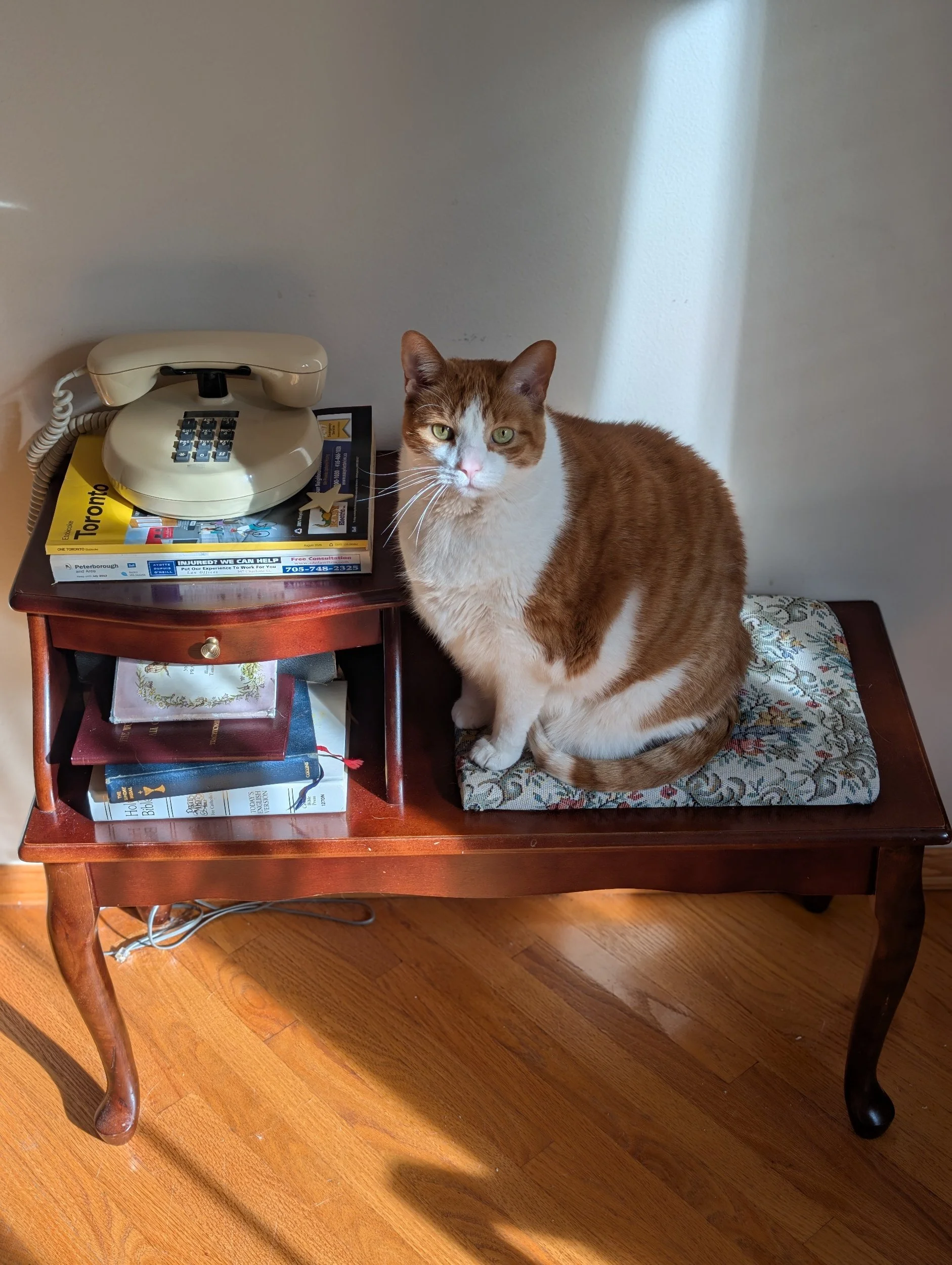
(In French, idioms more commonly refer to cats than they do to dogs. Please don't let it rain cats and dogs!)
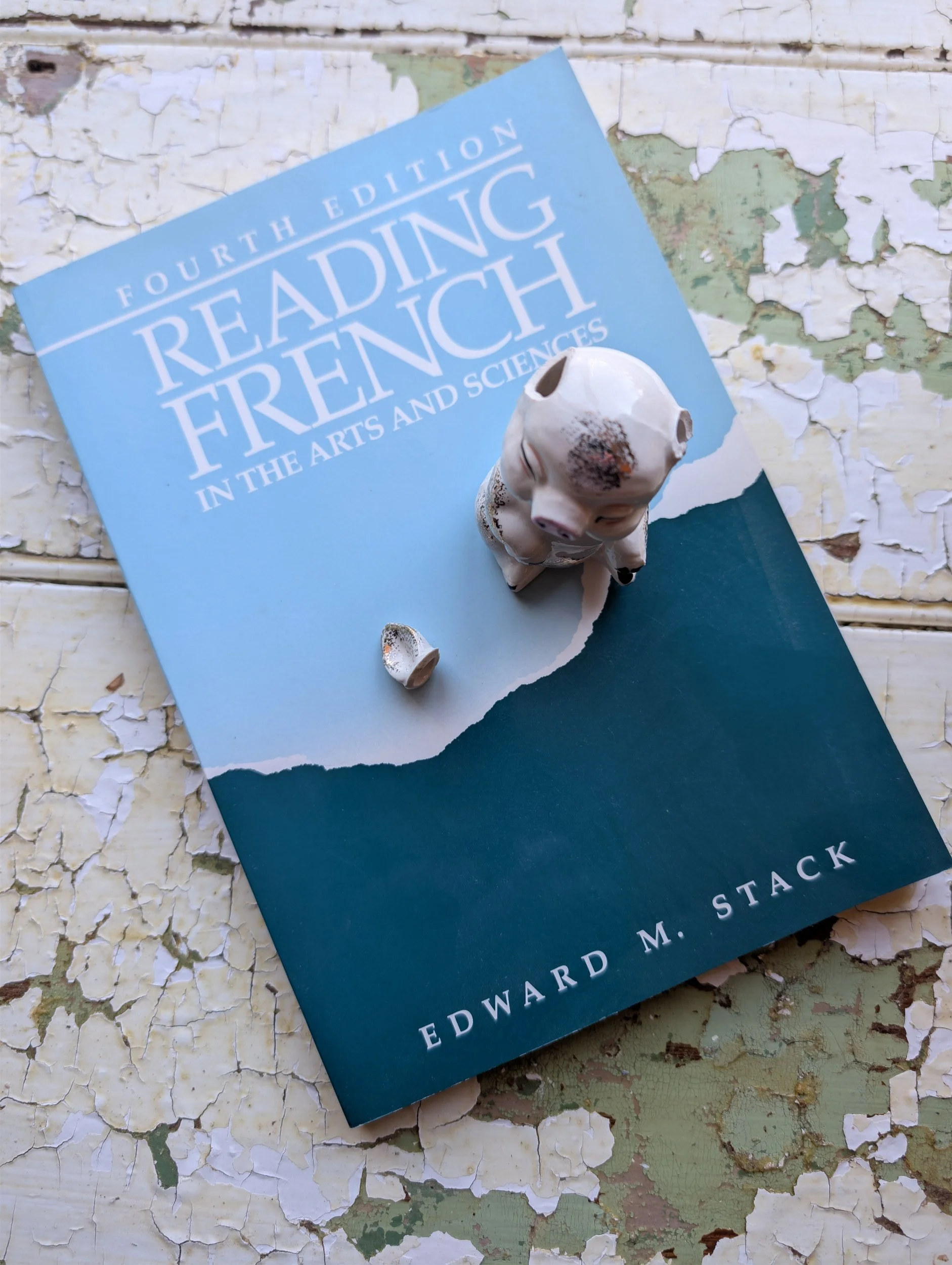
Peace 🕊️
Long before pets slept on orthopedic beds, the bond between humans and animals began as a bargain for survival. Dogs diverged from wolves during the Paleolithic era to hunt and warn camps of danger, while wildcats crept into early Near Eastern farming villages—even traveling by boat to Cyprus 9,500 years ago—to feast on rodents drawn to stored grain. Yet it was ancient Egypt that perfected the leap from utilitarian partnership to deep domestic affection, creating a blueprint for pet ownership that still defines our homes today.
Guardians of the Nile's Granaries
Ancient Egypt's survival hinged on its annual harvests of wheat and barley. Stockpiled in massive granaries, that grain attracted swarms of rats and mice—along with venomous cobras and vipers hunting the rodents. Between 4000 and 2000 BCE, Egyptians realized that welcoming prowling African wildcats into granaries and courtyards saved both food and lives. Cats kept vermin in check and killed deadly snakes, earning a permanent place indoors.
Egyptians prized other working household animals as well. Sleek, prick-eared sighthounds (tesem) chased desert game, while sturdier dogs (iwiw, named for their bark) guarded estates and patrolled alongside police and soldiers. Agile Egyptian mongooses were even kept on leashes to slip into tight spaces and clear snakes and rodents. Celebrated tomb art, such as the wall painting from the Tomb of Nebamun (ca. 1350 BCE) showing a spotted cat seizing marsh birds beside a nobleman's family, captures this dual identity: part skilled working partner, part household fixture.
Beneath the Chair—and Into the Heart
Over time, utility blossomed into unmistakable devotion. By the New Kingdom (ca. 1550–1070 BCE), tomb walls routinely featured the "pet-beneath-the-chair" motif, portraying noblewomen and masters of the house with collared cats curled comfortably under their seats. Cats became linked with motherhood and domestic protection through the goddess Bastet, and exporting them was outlawed.
Egyptians named and mourned their animals much as modern owners do. Around 2400 BCE, a nobleman memorialized his hunting dog, Beha—the earliest known animal recorded by name. Soon after, a Sixth Dynasty pharaoh granted his royal guard dog, Abuwtiyuw, a high-ranking funeral complete with a treasury coffin, fine linen, incense, and a dedicated tomb. The Greek historian Herodotus later noted that when an Egyptian household cat died naturally, the entire family shaved their eyebrows in grief; when a dog died, they shaved their heads and bodies.
Even stronger proof of genuine affection emerged at the Red Sea port of Berenike, where archaeologists uncovered a pet cemetery from the first and second centuries CE holding over 580 cats, dogs, and monkeys. None were religious sacrifices. Owners laid them in curled sleeping positions with beaded collars and curved pottery shrouds, and skeletal analysis revealed elderly, toothless, and previously injured pets that had clearly been nursed and fed well into old age.
Stress Relief Meets Ancient Instincts Today
As cats and dogs spread across the ancient world aboard trade ships and into European and Asian homes, their role gradually shifted. In the contemporary world, pets are viewed first and foremost as emotional companions and sources of stress relief. Modern life has traded grain silos for apartments and offices, and animals now guard our mental health rather than our harvests. Interacting with a dog or listening to a cat purr helps lower cortisol levels, ease blood pressure, and buffer against loneliness—reasons why therapy dogs and resident cats are increasingly welcomed into hospitals, universities, and elder-care facilities.
Yet beneath that cozy modern reputation, their ancient practical roles have never truly disappeared. Cats remain quiet, chemical-free pest control. Beyond farms and stables, urban neighborhoods still rely on "bodega cats" in corner stores and municipal shelter "working cat" programs that place unsocialized felines in warehouses, breweries, and alleys to keep rat populations down without rodenticides. Even a pampered indoor cat's presence and scent can deter mice from settling in.
Dogs, meanwhile, continue to anchor human safety and pest management. On farms and rural properties, terriers and working breeds still hunt burrowing pests and protect livestock from predators. At home, a dog's acute hearing and instinct to bark remain one of the most effective, reliable deterrents against burglars and intruders. Beyond household security, modern dogs have expanded their protective duties into search-and-rescue, explosives detection, and medical alert work—detecting impending seizures, dangerous blood sugar drops, or hidden allergens before technology can.
From Granary Guards to Sofa Companions: How Ancient Egypt Shaped Modern Pet Ownership
Long before pets slept on orthopedic beds, the bond between humans and animals began as a bargain for survival. Dogs diverged from wolves during the Paleolithic era to hunt and warn camps of danger, while wildcats crept into early Near Eastern farming villages—even traveling by boat to Cyprus 9,500 years ago—to hunt rodents drawn to stored grain. Yet it was ancient Egypt that perfected the leap from utilitarian partnership to deep domestic affection, creating a blueprint for pet ownership that still shapes our homes today.
Guardians of the Nile's Granaries
Ancient Egypt's wealth hinged on annual harvests of wheat and barley. Stockpiled in massive granaries, that grain attracted swarms of rats and mice—along with venomous cobras and vipers following the rodents. Between 4000 and 2000 BCE, Egyptians discovered that welcoming prowling African wildcats into granaries and courtyards saved both food and lives. Cats kept vermin in check and killed deadly snakes, earning a permanent place indoors.
Other working animals shared the household sphere. Sleek sighthounds (tesem) chased desert game, while sturdier dogs (iwiw, named for their bark) guarded estates and patrolled beside police and soldiers. Agile Egyptian mongooses were even kept on leashes to slip into tight spaces and clear snakes and rodents. Celebrated tomb art, such as the wall painting from the Tomb of Nebamun (ca. 1350 BCE) showing a spotted cat seizing marsh birds beside a nobleman's family, captures this dual identity: part skilled working partner, part household fixture.
Beneath the Chair—and Into the Heart
Over time, utility blossomed into unmistakable devotion. By the New Kingdom (ca. 1550–1070 BCE), tomb walls routinely featured the "pet-beneath-the-chair" motif, portraying masters and noblewomen with collared cats curled beneath their seats. Cats became linked with motherhood and domestic protection through the goddess Bastet, and exporting them was outlawed.
Egyptians named and mourned their animals much as modern owners do. Around 2400 BCE, a nobleman memorialized his hunting dog, Beha—the earliest known animal recorded by name. Soon after, a Sixth Dynasty pharaoh granted his royal guard dog, Abuwtiyuw, a high-ranking funeral complete with a treasury coffin, fine linen, incense, and a tomb. Centuries later, the Greek historian Herodotus noted that when a household cat died naturally, the entire Egyptian family shaved their eyebrows in grief; when a dog died, they shaved their heads and bodies.
Even clearer proof of affection emerged at the Red Sea port of Berenike, where archaeologists uncovered a first- and second-century CE pet cemetery holding over 580 cats, dogs, and monkeys. None were religious sacrifices. Owners laid them in curled sleeping positions with beaded collars and curved pottery shrouds, and skeletal analysis revealed elderly, toothless, and previously injured pets that had clearly been nursed well into old age.
Stress Relief Meets Ancient Instincts Today
In the contemporary world, pets are viewed first and foremost as emotional companions and sources of stress relief. Modern life has traded grain silos for apartments and offices, and animals now guard our mental health rather than our harvests. Interacting with a dog or listening to a cat purr helps lower cortisol, ease blood pressure, and buffer against loneliness—reasons why therapy dogs and resident cats are welcomed into hospitals, universities, and elder-care facilities.
Yet their ancient practical roles have never vanished. Cats remain quiet, chemical-free pest control. Beyond farms and stables, cities rely on "bodega cats" in corner stores and shelter "working cat" programs that place unsocialized felines in warehouses and alleys to curb rat populations without rodenticides. Even a pampered indoor cat's scent can deter mice from moving in.
Dogs, meanwhile, continue to anchor safety and pest management. On rural properties, terriers and working breeds still hunt burrowing pests and guard livestock. At home, a dog's acute hearing and instinct to bark remain one of the most reliable deterrents against intruders. Beyond security, modern dogs perform search-and-rescue, explosives detection, and medical alert work—sensing impending seizures, dangerous blood sugar drops, or hidden allergens before technology can.
Beyond the Tamagotchi: The Health of Caring for Something Alive
Part of what makes living with an animal so restorative today is that it pulls us out of an increasingly virtual existence. Much of modern online life operates like a 1990s Tamagotchi: an endless loop of glowing screens, notifications to clear, streaks to maintain, and curated feeds that mimic connection without real substance. Digital interactions are frictionless and disposable. When an app grows tedious or demanding, you can mute the alert, close the tab, or hit reset—and nothing genuinely suffers for your absence.
Taking care of a living, breathing creature refuses that illusion. A cat waiting by the food bowl at dawn or a dog needing a walk in cold rain cannot be paused, minimized, or rebooted. Meeting real biological needs establishes steady daily rhythms, gets the body moving, and anchors attention in the physical world—warm fur, steady breathing, eye contact, and the quiet discipline of noticing subtle shifts in another creature's health or mood. That outward focus acts as a natural counterbalance to rumination and screen fatigue, giving daily life tangible stakes and purpose.
Because a real animal has its own temperament, boundaries, and vulnerability, caring for it cultivates patience, attentiveness, and empathy in ways pixels never can. Unlike a digital simulation engineered to flatter its user with predictable rewards, a pet asks for genuine stewardship—and offers genuine trust in return.
Thousands of years after Egyptians invited granary hunters across the threshold and tended their elderly companions at Berenike, the core bargain endures. Cats and dogs still soothe our stress and quietly watch over our homes, while offering something modern screens cannot replicate: the grounding, irreplaceable health of looking after another living being.
My pastor has two cats. My knowledge of health comes through my faith, God teaches us things that are True, and helpful for everyone.
In my own life Little Joe is an excellent companion and we've made each other healthier. A most amasing truth about cats is that they can eat and “brush their teeth” at the same time! (The other crazy thing about cat dental treats is that the same chemical process works on people!)
I used to want a dog so the dog would take me for a walk, but I got a cat instead. And now he runs to catch a treat and brush his teeth ❤️