
On censorship: don't throw it out, it might be useful later
Ray Bradbury’s dystopian classic Fahrenheit 451 dramatises the ultimate consequence of cultural anxiety: a society that hands matches to the firemen to purge library shelves and burn away anything that causes discomfort. In this fictional world, treating ideas as pollutants to be scrubbed from the record misunderstands both human nature and the mechanics of thought. Censorship is rarely an effective shield; instead, it acts as a clumsy sorting mechanism that ultimately preserves the very things it seeks to destroy.
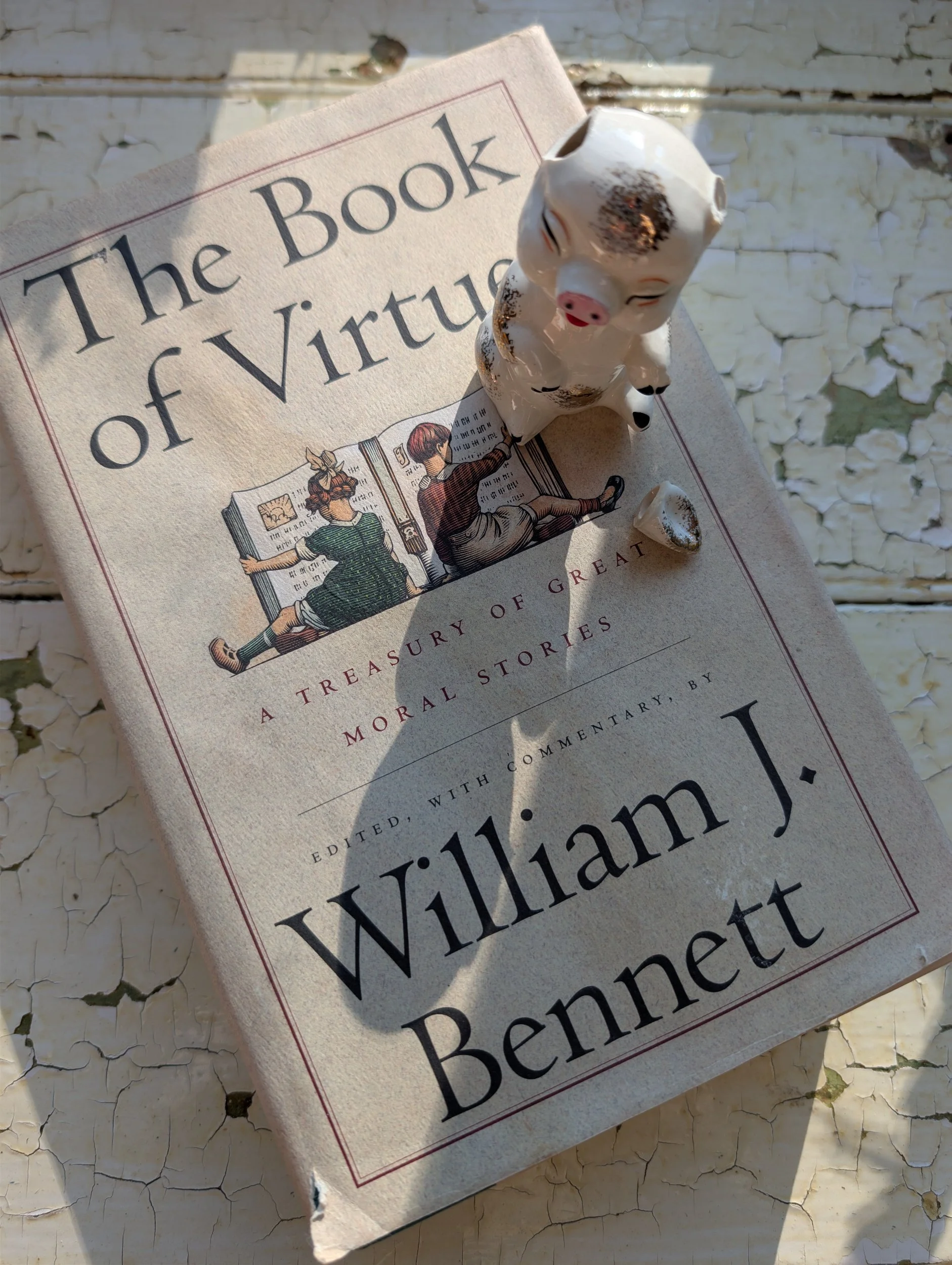
Children and Books
Protecting the developing mind requires a recognition that children lack the critical architecture to contextualise morally abhorrent material. Just as we restrict minors from chemical or physical hazards until they have matured, societies have historically recognised a duty to shelter children from ideological and ethical corruption until their faculties are formed. Yet, this protective instinct curdles into authoritarian paternalism the moment it is applied to adults.
Adults and Censorship
Once an individual reaches maturity, the right to choose one's intellectual diet is paramount. To strip an adult of the autonomy to read, judge, and even err is to deny their status as a moral agent.
Ideas, particularly subversive or dangerous ones, possess a strange vitality. Philosophers from Plato to Nietzsche have demonstrated how texts can quietly alter the tectonic plates of civilization, demonstrating that a single rigorous argument can reshape human behavior centuries after its author's death. This capacity for influence underscores the ancient intuition that everyone has a calling and a purpose—a unique contribution to the intellectual ecosystem that cannot be safely homogenised by state committees or moral panics.
The Streisand Effect
Efforts to suppress texts invariably backfire through the Streisand effect, transforming obscure titles into cultural phenomena. Placing a book on a banned list signals to the public that a text contains potent, dangerous truths, turning the act of reading it into a minor rebellion. In the long run, bans act as the most effective marketing campaigns ever devised, ensuring that forbidden books enjoy longevity they would have otherwise lacked.
Cooking Lacks Controversy
Interestingly, history shows that few cookbooks have ever faced systematic censorship. While political tracts, philosophical treatises, and subversive novels routinely spark moral panics, culinary guides are largely ignored by the thought police because food instructions rarely threaten prevailing political dogmas—unless a regime attempts to rewrite domestic life entirely, such as when revolutionary governments occasionally suppress domestic guides for promoting "bourgeois" or capitalist tastes. For the most part, recipes remain safely outside the crosshairs of censorship, quietly instructing generations without ever raising ideological alarms.
If you don't have something nice to say…
When you dislike a book, that aversion is deeply personal, often stemming from the limits of your own perspective or an inability to understand what the author is trying to achieve. Recognising that your distaste is subjective rather than objective is a humbling realisation. The old adage that if you don't have something nice to say you shouldn't say anything at all is actually rooted in psychological health: because of neuroplasticity, the neural pathways we repeatedly fire by voicing grievance or outrage become deeply engrained, effectively wiring our brains to default to hostility.
The Sound of Silence
Genuine criticism, when it is truly warranted, should instead be direct, honest, and constructive—offered face-to-face with a genuine aim to build up rather than tear down. If you encounter a work you despise or fail to grasp and cannot offer that level of thoughtful engagement, the most effective response is total silence. Refuse to review it, protest it, or debate it online. Even negative attention functions as advertising, lending the work an inflated sense of importance. True dismissal is quiet; the moment you scream about a book, you have already made it immortal.
Instead I suggest creating lists of recommended reading and promoting healthy kind discourses: curriculums. Myself when I review a book or a restaurant I try to offer “a taste” of what it's like to enjoy that experience, and if the experience isn't enjoyable I stay quiet. I usually give books and restaurants a few tries. For the most part, the books I put the pig on I believe have merit. I consider it advertising.
(Although sometimes I also forget to update my Google reviews.)
Go read and eat! ❤️
