
Silver Lining: From Global Cutlery to Ancient Healing
The gleaming luster of silverware on a dining table is more than just a symbol of elegance; it represents a centuries-old tradition rooted in the preservation of health. Long before the advent of modern germ theory or synthetic antibiotics, human societies intuitively recognized that silver possessed a unique power to protect the body—both at the dinner table and in the apothecary. Across diverse cultures and eras, silver has served as a global standard for safe dining, a cultural safeguard, and a vital medical defense against infection.
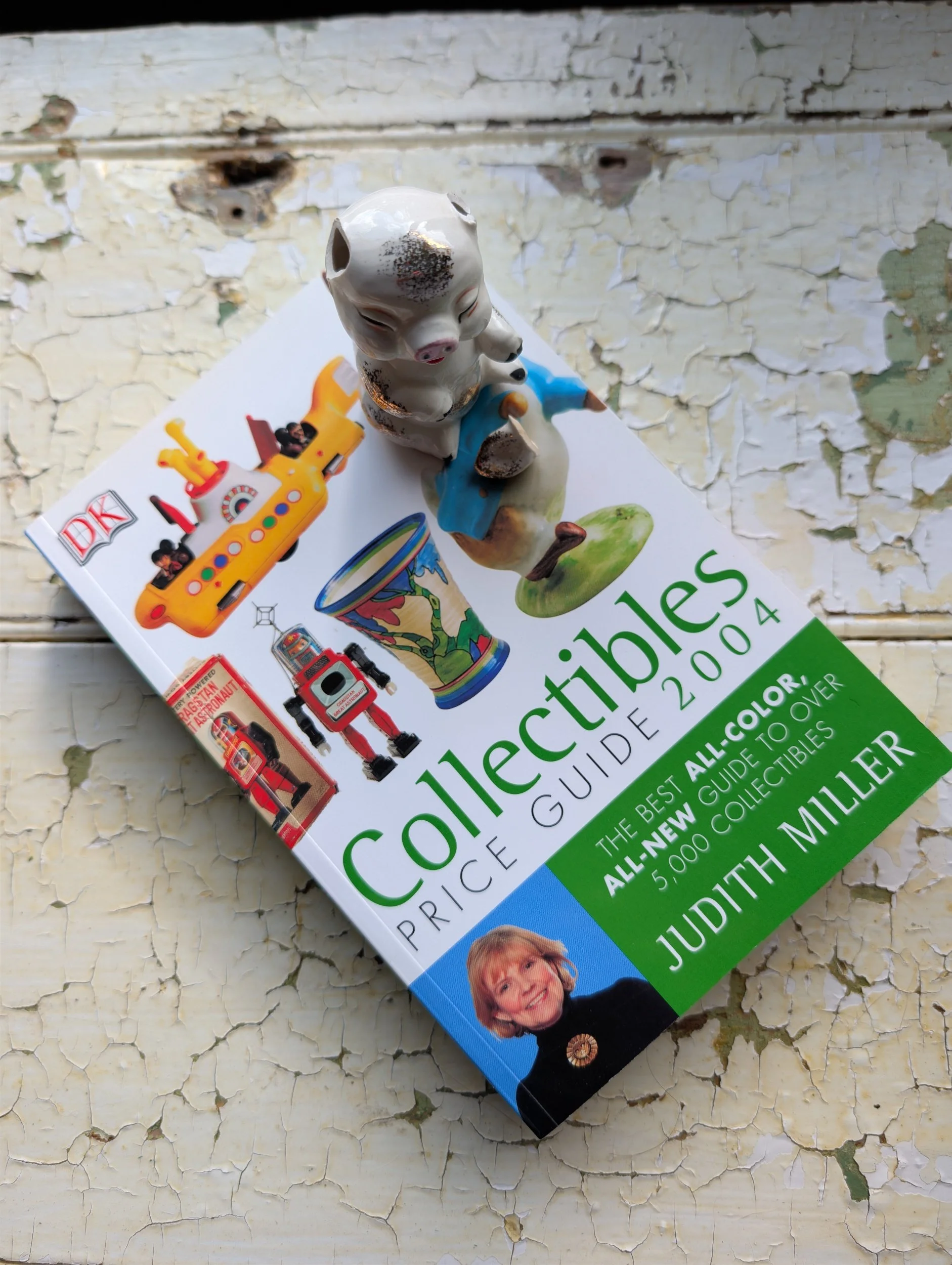
Could it be that silver in natural water sources is part of the reason why natural selection caused babies to be attracted to shiny objects?
The Health Benefits of Genuine Silverware
The most significant health advantage of genuine silver is its inherent ability to combat microbes. Consider that “four and twenty blackbirds baked in a pie” was a cultural reality at the table and people lived. Throughout history—particularly during the centuries when solid silver flatware graced elite dining tables—households waged a constant, silent war against ubiquitous pests like rats, mice, and nesting birds. These animals were not merely an aesthetic nuisance; they were vectors for devastating pathogens, carrying rodent-borne hantaviruses, leptospirosis, and fungal spores into the very spaces where families lived and dined. Because primitive building materials and poor urban sanitation allowed rodents and nesting birds easy access to pantries and attics, food stores and preparation areas were perpetually vulnerable to contamination. Paradoxically, while wealthy households faced these very real biological hazards from household pests, the use of silver cutlery offered a subtle line of defense at the table. Long before the advent of germ theory or modern chemical disinfectants, the oligodynamic effect of silver naturally inhibited the buildup of microbes transferred from contaminated environments or unwashed hands, giving historical silver a functional, health-promoting edge in an era riddled with pest-driven disease.
Silver is naturally oligodynamic, meaning its metal ions have a toxic effect on living cells, bacteria, viruses, algae, and fungi, even in relatively low concentrations. When bacteria come into contact with a silver surface, the silver ions disrupt cellular metabolism and damage cell membranes, effectively destroying them. Historically, before modern refrigeration, people dropped silver coins into milk or water jugs to retard bacterial growth and keep liquids fresh longer. Using silver cutlery means your utensils possess a continuous, passive defense against lingering food-borne pathogens.
Unlike some manufactured metals or coated utensils that can leach heavy metals or synthetic chemicals into food—especially when exposed to heat or acidity—solid silver is chemically stable. It does not react hazardously with the organic acids found in fruits, vegetables, and vinegars. While silver can tarnish when exposed to sulfur in the air or certain foods, this tarnish is easily polished away and is entirely non-toxic.
Silver as Cutlery and Protection Around the World
The adoption of silver for dining and food storage spans continents and centuries, driven by observations of its hygiene, durability, and protective qualities. The ancient Greeks, Romans, and Egyptians prized silver not only for its beauty but for its utility, storing water and wine in silver vessels to keep them potable during long campaigns. Later, European royal courts mandated silver tableware to safeguard against spoilage. In the UK, the mark of silver is 925.
In ancient and imperial China, high-ranking officials and emperors famously used silver chopsticks, cups, and bowls. Silver would tarnish or discolor upon contact with certain impurities—most notably arsenic, which historically contained sulfur compounds that reacted with the metal, giving diners a practical early warning system.
Similarly, in traditional Indian households and royal courts, silver dining sets and serving platters were treasured heirlooms. Serving food and water on silver was a sign of ultimate respect and hospitality, while Ayurvedic traditions viewed silver as a cooling metal that balanced internal energies. Throughout Southeast Asian kingdoms, silver items reflected a practical understanding of hygiene and resistance to food spoilage in tropical climates.
Even in more recent history, American pioneers and travelers carried silver coins or tableware, dropping a silver dollar into a canteen of well water to prevent it from souring during arduous journeys.
Comparing Cutlery Materials
To understand how silverware stacks up, it helps to look at alternative modern materials. Stainless steel is rugged and dishwasher-safe, but it lacks silver’s active antimicrobial properties. Furthermore, lower-quality steel alloys can sometimes corrode or leach trace nickel—a common allergen—into acidic foods, whereas silver is nickel-free and naturally hygienic.
Plastic utensils scratch easily, trapping bacteria in microscopic crevices. Heated or acidic meals can also cause plastics to leach microplastics and chemical plasticizers (like phthalates or BPA) directly into food, making silverware a far safer, non-porous alternative.
Aluminum is a reactive metal that can easily leach into food, particularly acidic dishes like tomato sauce. Silver, being a noble metal, poses no such risk of toxic metallic leaching.
Silver as a Topical Treatment for Infection Since the Renaissance
While diners were using silver to keep their food clean, physicians and apothecaries were discovering its profound healing properties for the human body. As medical science shifted toward chemical applications during the Renaissance, silver compounds began to be explored for treating stubborn wounds, sores, and ulcers to promote cleaner healing. By the 18th and 19th centuries, silver nitrate became a staple in wound care, widely used topically to cauterize wounds and prevent infection in severe skin lesions and burns.
In the late 19th century, obstetrician Carl Credé introduced a 1% silver nitrate eye drops protocol for newborns. This simple topical application drastically reduced rates of gonococcal ophthalmia neonatorum, a blinding eye infection in infants, saving countless sights worldwide.
Parallel to Western practices, traditional Indian Ayurveda utilized purified silver ash and silver-infused medicines to rejuvenate the body, support nervous system health, and combat chronic weakness. In Traditional Chinese Medicine, silver was similarly recognized for its cooling, calming, and detoxifying qualities.
Today, the foundational understanding that silver fights microbes is utilized in modern innovations, with silver ions and nanoparticles embedded in burn wound dressings, surgical instruments, and medical catheters to prevent infections.
Whether shaped into an heirloom spoon, used to detect impurities in an imperial court, or formulated into a clinical ointment, silver has occupied a unique dual role in human history—bridging culinary culture and therapeutic science to naturally support human well-being.
