
Taste Your Food and Review the Reviewer
Every cook knows the moment of kitchen blindness. You have been standing over a simmering pot for three hours, inhaling the aromatics, adjusting the heat, and staring into the same wooden spoon until your senses dull. You know the ingredients are right, yet when you lift the spoon to your lips, you honestly cannot tell if the broth is transcendent or just begging for a squeeze of lemon. So you call someone over, hand them a clean spoon, and watch their face. That second before they speak—when their eyebrows lift and they say, "Wait, put a pinch of smoked paprika in this"—is the exact moment a solitary chore transforms into something alive.
Creative collaboration works on the exact same principle, and it turns out to be one of the most reliable blueprints we have for building genuine community.
Inviting someone to "taste the recipe" while it is still bubbling on the stove requires a specific kind of vulnerability. In a culture obsessed with polished final products, handing over a rough draft, an unmixed demo, or a half-baked idea is a radical act of trust. Once someone suggests adding acid to your sauce or reshaping the third paragraph of your essay, they cease to be a distant spectator. They have skin in the game. Connection happens sideways, shoulder-to-shoulder at the stove, while your hands are busy solving a concrete problem together.
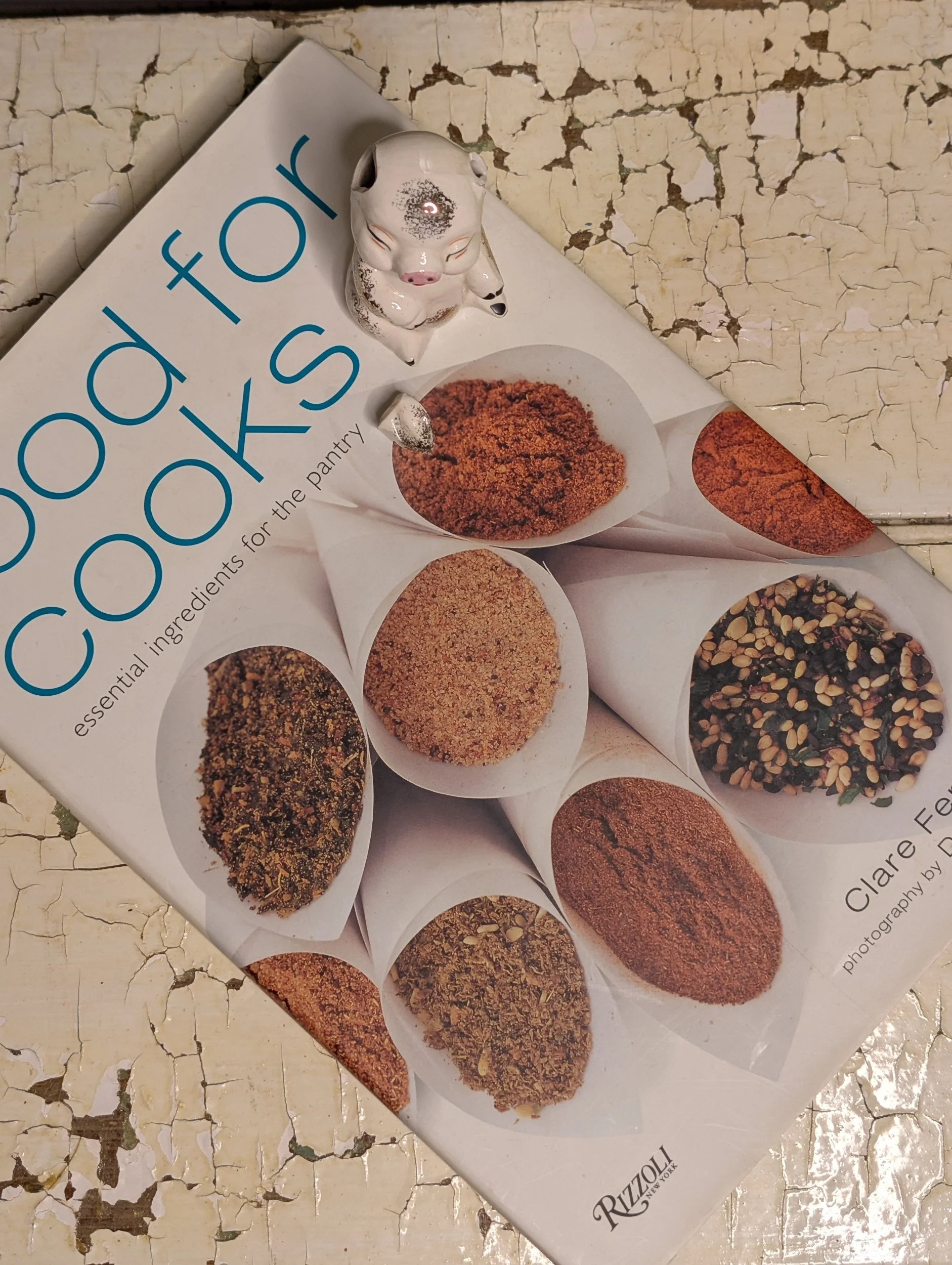
Any good cook knows that handing out tasting spoons requires knowing your taster's palate. Collaboration isn't about blindly accepting every note you get; it is about calibrated trust. Consider how I choose what to read. I regularly ask my mum to read literature for me ahead of time, and because I know her so thoroughly, I have developed a finely tuned mum-filter. When she reports back on a novel, I don't just take her verdict at face value—I translate her reactions through everything I know about her sensibilities, her pet peeves, and her sense of humor to figure out whether I actually want to read the book myself.
One of my absolute favorite moments of this literary collaboration was when I see tested her and she finished Mary Shelley's Frankenstein and earnestly reported back that the plot and the characters "just aren't believable." Coming from anyone else, complaining that a gothic novel that is a precursor to science fiction about a guy stitching together a corpse isn't grounded in realism might sound absurd. Through the mum-filter, however, it was pure comedy and told me everything I needed to know. My mum, you see is a scientist who lives literature for escapism but I can't read fiction without thinking anymore.
This brings us to the golden rule of both the kitchen and creative life: taste your food and review the reviewer. Seeking feedback is essential, but you always have to weigh the critique against the person giving it—and ultimately trust your own tongue. If you outsource your judgment to strangers without knowing their baseline, you end up lost.
Just look at Google Reviews. One glance at a local restaurant's one-star ratings and you realise that a certain subset of people are just chronic complainers everywhere they go—the kind of folks who leave a scathing review of a national park because the rocks were too hard, or dock a bakery three stars because it was raining outside. When you review the reviewer by clicking on their profile, you quickly see a trail of misery across dozens of towns and businesses. My own approach to reviewing is the exact opposite: if I don't enjoy a place, I simply don't review it. Putting energy into tearing down someone else's kitchen from behind a screen adds nothing to a community. Save your public notes for the places worth celebrating, and leave the constructive criticism for the people whose kitchens you have actually been invited into. Without the context of a real relationship, public criticism is just noise.
Just as you cannot outsource your palate to randoms on the internet, you also cannot outsource the soul of your work to a machine. We are constantly told that artificial intelligence is the ultimate modern collaborator, ready to streamline our creativity.
I recently tested this theory by trying to use AI to design a logo. It was a complete failure, because AI cannot design a good logo, it's too complex a task. It turns out that my ghetto hand-drawn pig is better than anything I could produce with AI. (I didn't stage this mistake.)I wanted to incorporate the idea that a SmartPig is a engineering tool, but I'll leave that for later. It has no palate to taste what it is making and the funny part is someone disabled me from using but it was a stroke of good fortune and sometimes everything works out for the
best ❤️
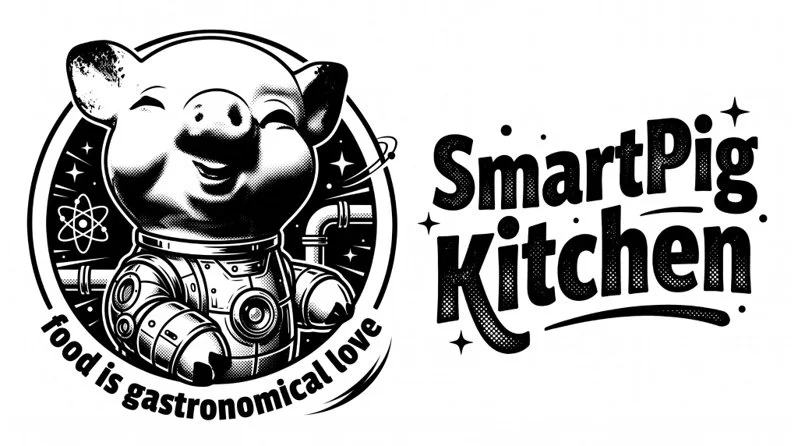
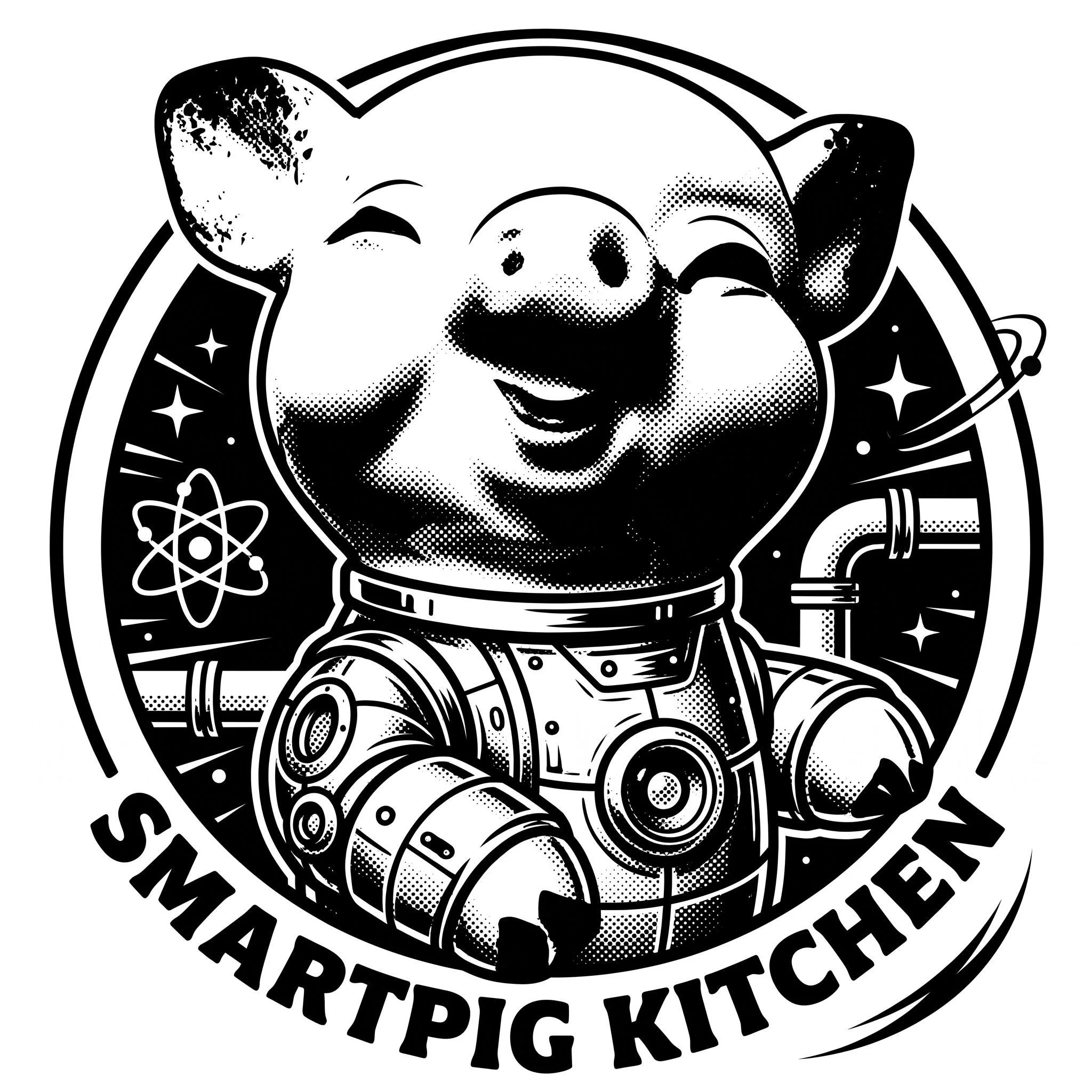
In the end, I abandoned the prompts, returned to the ghetto hand-drawn pig, afterall I'm writing a blog in 2026! My hand-drawn pig is miles better than anything the algorithm spat out, precisely because it is simplified. It's simply more human. That scanned drawing has character, intention, and the unmistakable pulse of a real person making a deliberate mark on paper.
Real creative community is about direct honest communication and sharing. It is about keeping things human, stripped-down, and generous. It is knowing when to draw the pig yourself, knowing how to laugh when your mum critiques the realism of a nineteenth-century monster, and knowing how to taste your own food while kindly appreciating the person holding the other spoon
.
