
The Silver Spoon of Health in 1918 and the Spanish Flu (Copy)
To understand why dining habits might intersect with a global pandemic, one must first look at two starkly contrasting demographic divides of the early 20th century: who the virus targeted and who owned the tableware. Unlike typical influenza outbreaks that prey on the very young and the elderly, the 1918 Spanish flu notoriously decimated healthy young adults aged 20 to 40, driven by aggressive immune reactions. Simultaneously, the ownership of high-purity sterling silverware was strictly stratified by socioeconomic class. While working-class families relied on shared, mass-produced base metals or communal vessels, the affluent bourgeoisie maintained extensive, individualized sets of solid silver cutlery, creating a distinct material boundary between the classes.
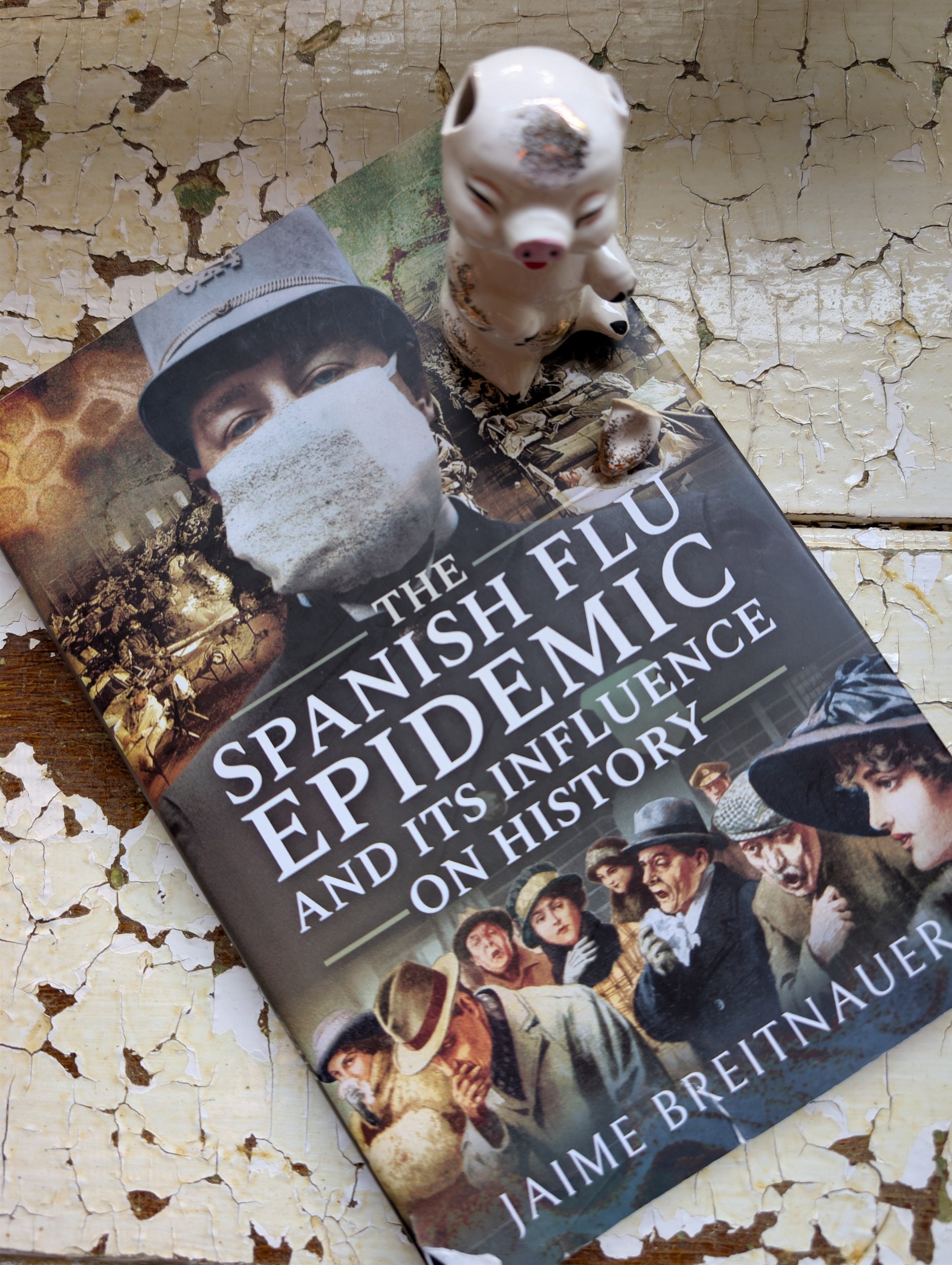
When the catastrophic 1918 influenza pandemic swept across the globe, it defied historical convention. Rather than sparing the robust and targeting only the frail, the H1N1 virus struck down healthy young adults with chilling efficiency. Entire cities held their breath as mortality curves mapped a brutal "W-shape," disproportionately filling coffins with individuals in the prime of their lives.
Yet, as historical data and epidemiological maps from the era reveal, this devastation was not distributed evenly. High-income populations and affluent urban enclaves consistently weathered the storm with significantly lower excess death rates than impoverished working-class communities.
While historians rightly point to disparities in nutrition, housing density, and access to private space to explain this class divide, a fascinating material culture perspective opens up an alternative line of inquiry: Could the daily habits of the upper class—specifically, the routine use of fine sterling silverware—have inadvertently acted as an active chemical line of defense?
The Anti-Infective Properties of Sterling Silver
Long before the discovery of modern antibiotics, humanity understood that silver possessed remarkable preservative and protective qualities. Ancient civilizations stored water and wine in silver vessels to prevent spoilage, and historical households instinctively recognized that food kept fresher when in contact with the precious metal.
Scientifically, silver is a potent antimicrobial agent. Silver ions exert oligodynamic effects, meaning they possess the ability to bind to microbial cell membranes, disrupt cellular respiration, and deactivate enzymes. While silver is fundamentally a weapon against bacteria and fungi rather than a direct killer of microscopic viruses, its presence in a high-society dining room introduced a constant, microscopic sanitizing agent to the environment.
The Gilded Table vs. The Tenement Kitchen
To understand how silverware might have functioned as a protective barrier, one must look at the stark contrast in daily dining mechanics during the early 20th century:
* The Working-Class Reality: In crowded tenements and working-class quarters, households relied on shared utensils, communal bowls, and rudimentary iron, pewter, or cheap plated cutlery that offered no chemical protection. In these environments, droplets from the respiratory secretions of an infected family member easily transferred via shared dishware, accelerating cross-contamination.
* The Upper-Class Sanctuary: Affluent households maintained rigorous standards of individual place settings. Every member of a bourgeois family dined with heavy, high-purity sterling silver forks, knives, and spoons. Furthermore, these items were meticulously polished and washed between courses by domestic staff.
The Vector of Secondary Infection
While the Spanish flu was fundamentally a viral infection, the vast majority of fatalities during the 1918 pandemic were not caused by the influenza virus alone. Victims succumbed to devastating secondary bacterial pneumonias—such as Streptococcus pneumoniae—that invaded lungs already compromised and inflamed by the virus.
This is where the upper-class dining table changes narrative plausibility. The constant handling and use of high-grade sterling silver utensils meant that the mouths and hands of the wealthy were regularly exposed to oligodynamic silver ions. While silver could do nothing to halt an airborne virus traveling directly into the lungs, it actively suppressed bacterial loads on cutlery surfaces. By reducing the transmission of opportunistic secondary bacteria during meals, affluent diners may have lowered their cumulative pathogen burden at a time when their immune systems were already fighting for survival.
A Confluence of Privilege and Chemistry
Of course, silverware alone did not rewrite destiny. The lower mortality rates among the wealthy were primarily driven by lower population density, better baseline health, and the luxury of isolating away from crowded factories and trench warfare.
Yet, history is often shaped by the convergence of social structure and material science. As the Gilded Age elite sat down to formal dinners amid polished candelabras and heavy silver services, their material wealth provided more than just a display of status. Unknowingly, they wielded an ancient, metallic shield that kept secondary infections at bay—turning every fork and spoon into a silent sentinel against the deadliest pandemic in modern history.
