
Smart Blog
Discover our philosophy about human connection and wellness through sharing food, and meeting IRL! Tell your story to friends over a nice meal, and have a belly laugh!

🎁 The Best Food is Free: It’s Not the Price Tag, It’s the Gift
The phrase “the best things in life are free” is a cliché for a reason—it holds a profound truth. But when we apply this maxim to food, our minds often jump to the wrong conclusion. We might picture tiny, plastic-cupped samples at the grocery store or a handful of complimentary breadsticks.
Let’s reframe this entirely. The best food is free, not because it lacks a price tag, but because it is a gift. It is food that is offered without expectation, delivered with a smile, and consumed with gratitude. This is the food of friendship, family, and pure, unadulterated hospitality.
Why I Talk to Strangers: The Unexpected Joy of Connection in the Grocery Aisle
My father was a master of the mundane, turning simple transactions into moments of genuine human connection. He’d be strolling out of the cereal aisle and say to a fellow shopper walking in, "Oh, that was a great aisle! Some really good food there, you’re going to enjoy that one." It was utterly harmless, slightly absurd, and always drew a surprised, grateful smile.
Then, at checkout, as he presented his money, he’d invariably ask the cashier, "May I pay in cash?" These days, that can be a serious question, but back then, it was just his way of acknowledging the person across the register and adding a gentle, human pause to the automated process.
I talk to strangers in the grocery store because of him. And because I've realized that the grocery store—that vital hub of human necessity—has become a place where we execute our mission—find the oat milk, dodge the person blocking the cereal, check out, and escape—all while maintaining maximum eye-contact avoidance.
I’m the person who breaks the silence. I’m the one who might ask you if the avocado you’re holding is perfectly ripe, or offer a genuinely admiring comment on the magnificent haul of lemons in your cart. This isn't about being an unnerving extrovert; it’s about a deep, quiet yearning for connection and the surprising ways a casual, two-minute conversation with a fellow shopper can enrich your day, your life, and yes, even your dinner.
Thanks to the Scruffy Dinner Party for Giving US Fine Dining
For many of us, socializing often equates to going out to eat. While there's nothing wrong with enjoying a restaurant meal, the cost can quickly add up, leaving a significant dent in your budget. But what if I told you there's a way to have your cake (or, more accurately, your meticulously prepared pot roast) and eat it too? Enter the humble, yet powerful, dinner party.

The World in a Grain of Rice: How Food Builds Trust
From your child sharing his snack at school, all the way to the international food trade, sharing food creates and builds trust. Is food the way we can start to develop the same optimism in culture as we currently experience when different cultures work together in science? Yes, I believe this trust building exercise is the answer…

Why Food is the Ultimate Art Form and the Wellbeing of Mind & Body
We often relegate food to the realm of necessity, a biological imperative to keep us going. But what if I told you that every carefully crafted dish, every thoughtful meal, is a masterpiece?

Pate Chinois and Cultural Identity
Language is always biased, almost by definition, so we need not just remove particular words from AI, but more importantly words strung together that imply certain intentions.

Turkey! And other food-based insults
From calling a failed Broadway show a "turkey" to casually dismissing a foolish person as one, food has long provided a deliciously descriptive vocabulary for insults. The history of calling someone a "turkey" for being a silly, inept, or undesirable person (dating back to the mid-20th century, and preceded by its use in theatrical slang for a "flop" in the 1920s) is just one example of how the pantry can stock a superior verbal attack.
But the culinary cupboard is full of far more colorful pejoratives. Here is a look at a few other food-based insults that are much more flavorful than simply calling someone an idiot.

Sweatpants to Suits; Jeans to Dresses
While we certainly don't miss the rigid social mores and forced cultural homogeneity of the 1950s, the era did possess valuable qualities: an infectious optimism, a faith in progress, and most importantly, a dedication to thoughtful hosting. What if we modernized the best parts of this tradition—hosting at home with kindness and care—while leaving the outdated hierarchy behind?
“Wear jeans and sweatpants to work and suits and dresses to make your friends feel special” —SmartPigKitchen
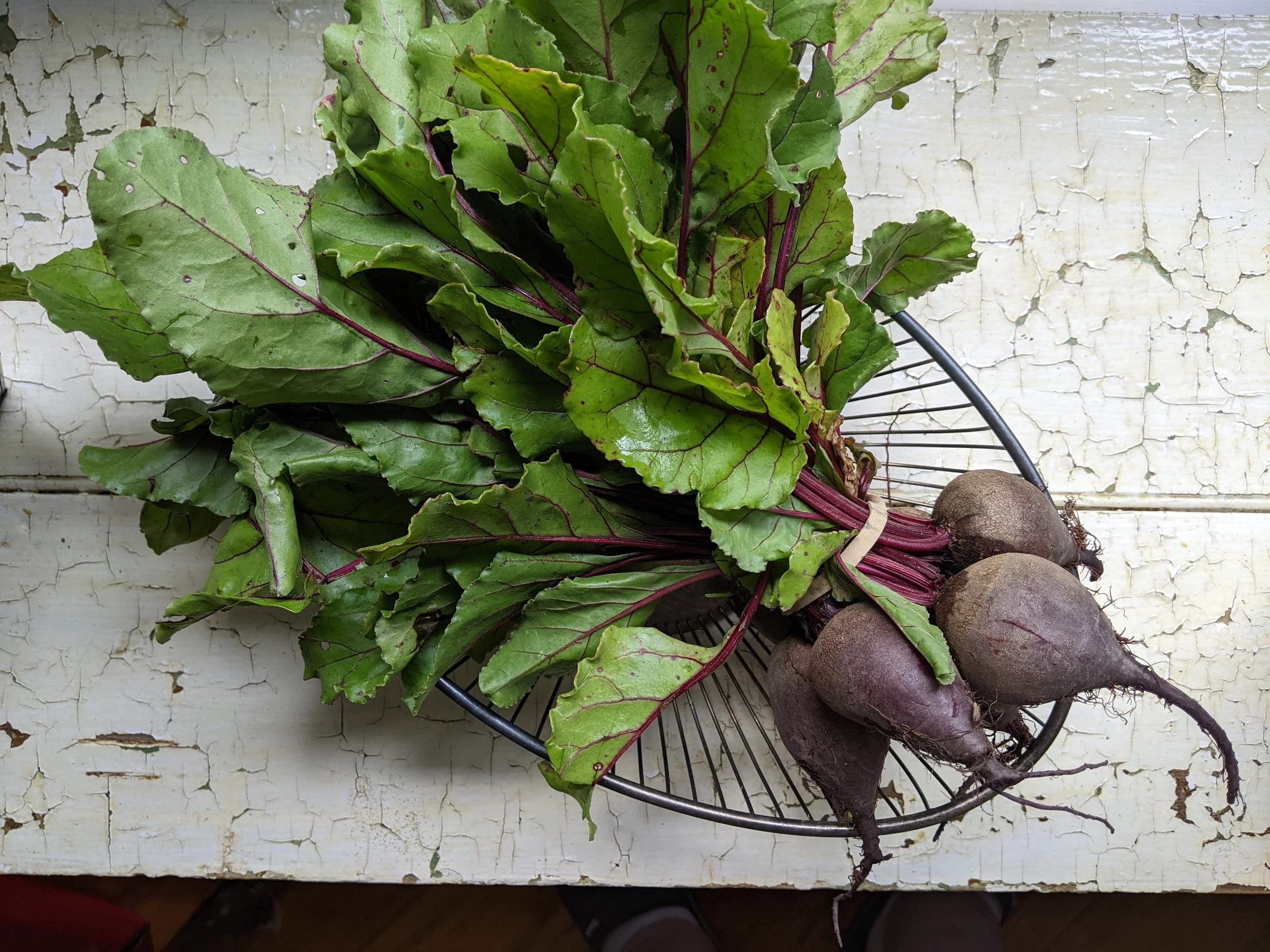
An Idiot’s Guide to Salad: Play with Your Food
Ever notice that if you call something an Idiot’s Guide, the idiot is the writer of the guide not the one who follows it? Think about it, Frommer's Guide, Michelin Guides, Strunk and White’s Guide, they are all named after the writers of the guides. So this Idiot’s Guide to salad, written by yours truly, is a starter for how to not take things seriously but keep it funny and simple.
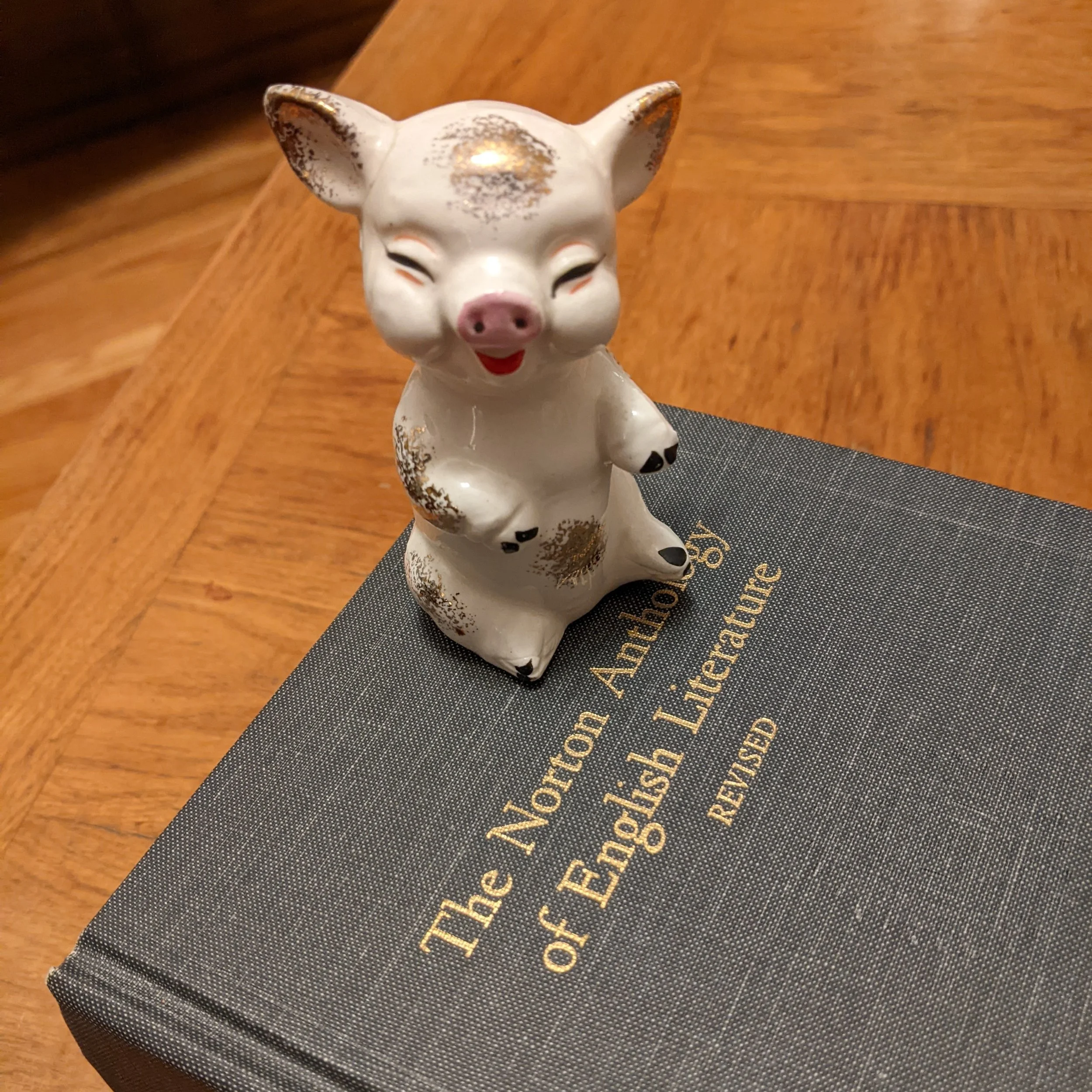
A Pig of Conscience
I have a new sous chef, and he's not what you'd expect. He's small, ceramic, and sits on my kitchen counter. I bought him on a whim, thinking he was just a cute piece of décor. Little did I know, this tiny swine would become my unexpected, and frankly, very judgmental, life coach on the art of sharing. My pig, whom I've named Hamlet, has a simple yet profound purpose: to remind me not to be a pig myself.

Canadian Potluck
When I was a kid, the notion that the USA was a "melting pot" was used to contrast it with the Canadian model of multiculturalism. However, the idea of a melting pot, where different cultures blend into one homogeneous entity, is not what we are. We are more like a potluck, where every subculture of our national identity brings something different to the table, with each dish contributing to our collective well-being.
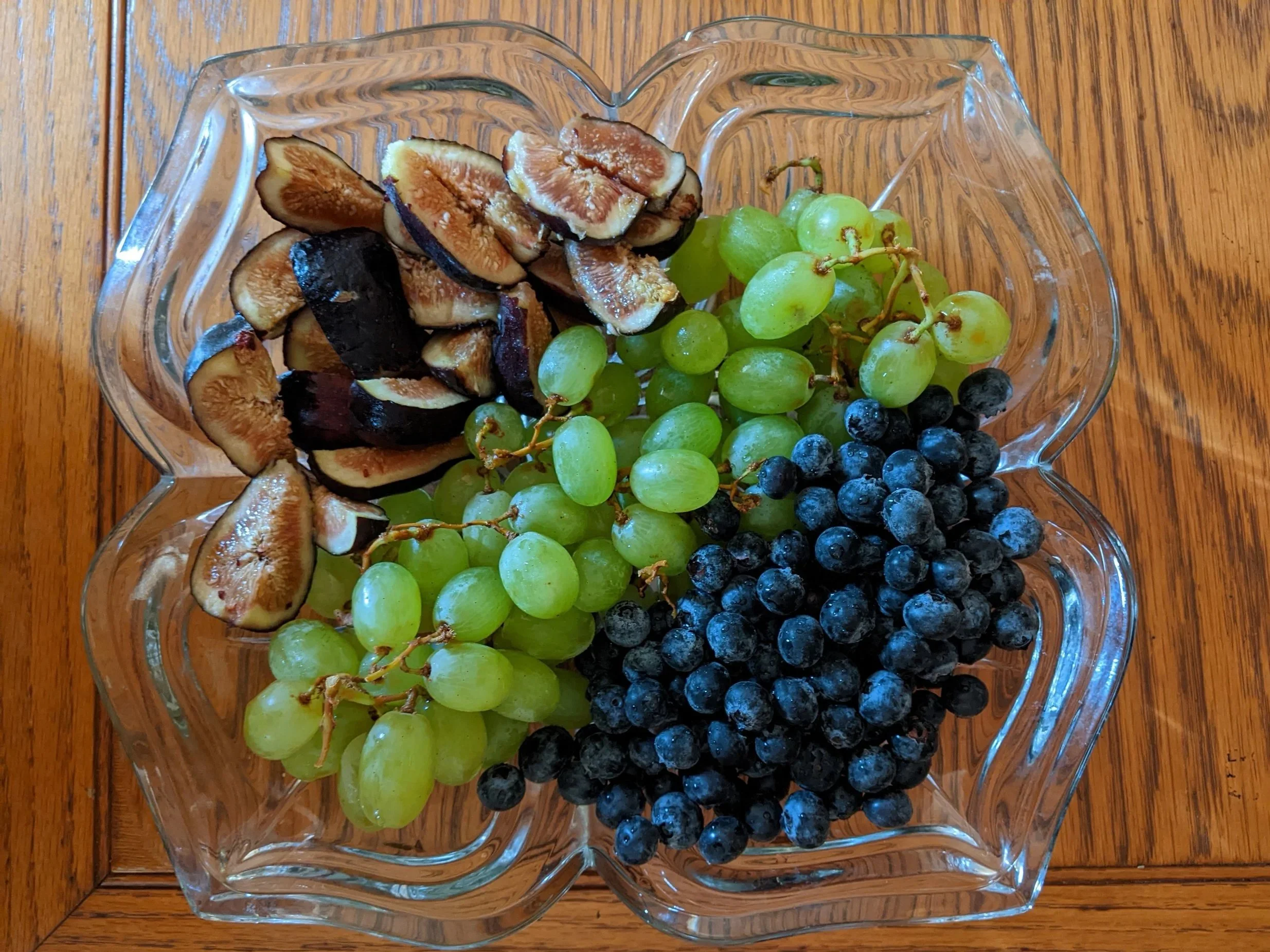
Like a Vietnamese Shake, Cultures Are Blended
We often talk about "cultures" as if they are separate, self-contained units—like neatly labeled jars in a pantry. We might say, "Italian culture is this," and "Japanese culture is that," or "American culture is the other." This way of thinking is deeply ingrained in us, a holdover from a time when geographical and political boundaries were seen as hard and fast divisions. But in reality, cultures, much like our favorite foods, are not distinct. They are a rich, complex stew of ideas, traditions, and influences that have been simmering together for centuries.

Brunch: A Healthy Weekend Ritual
In the vibrant tapestry of weekend activities, brunch stands out as a cherished ritual. More than just a meal, it’s a leisurely affair, a social gathering, and a delightful bridge between the workweek's hustle and the weekend's relaxation. As a ritual, social occasion, and recovery from Saturday night, brunch is good for your health. In cities like Toronto, where the culinary scene thrives, brunch has evolved into an art form, offering a diverse array of dishes and experiences to suit every taste. But where did this beloved tradition originate, and what makes it so universally appealing? Let's delve into the delicious world of brunch and explore its rich history and enduring charm.
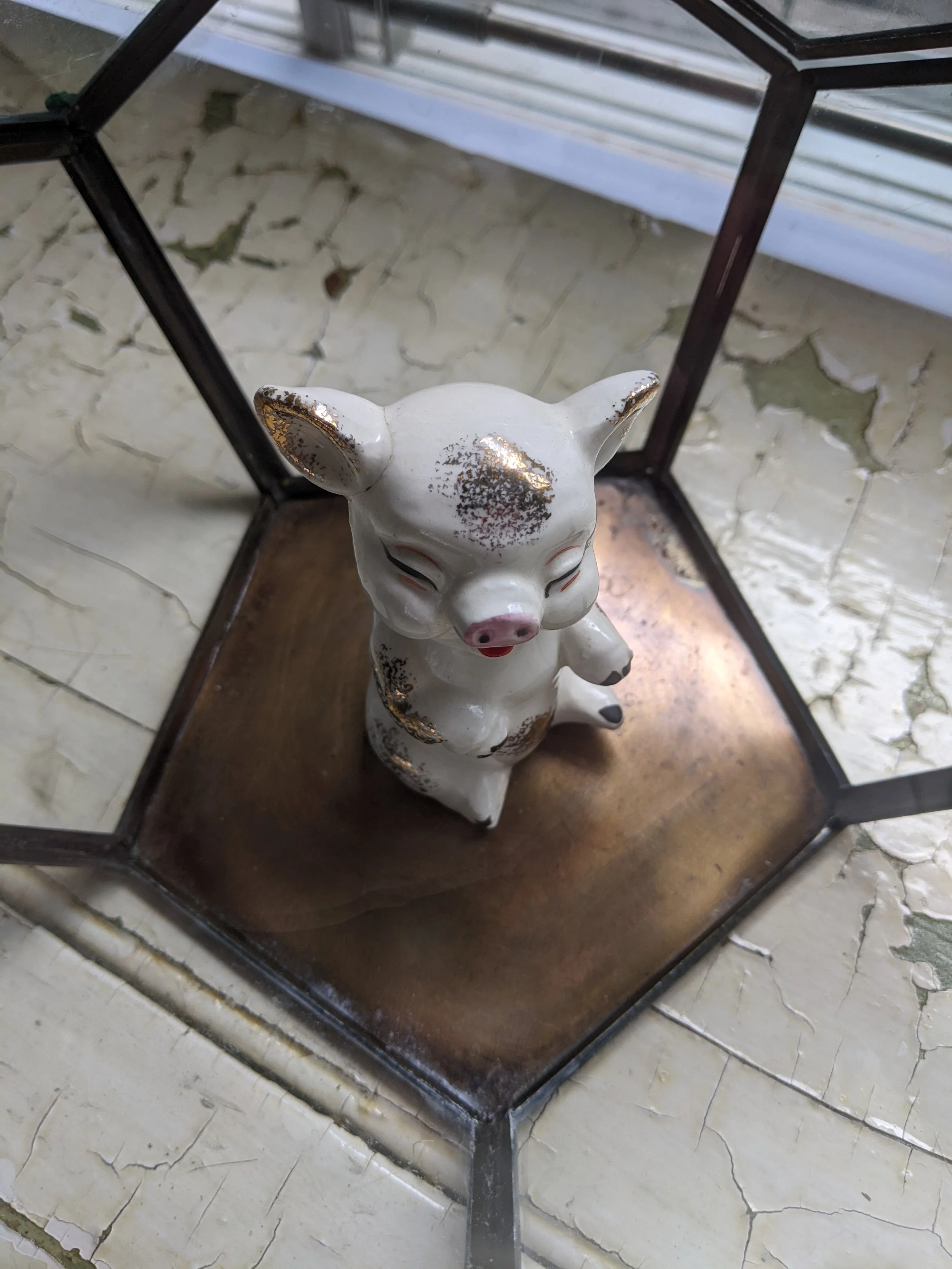
Digesting Cultural Identity
One of my oldest friends grew up believing she was Italian because her family frequently ate spaghetti. To her, the tomato sauce was all the proof she needed. This made me wonder: can food truly define our culture? Do we, in a way, eat our identity? After all, the old saying goes, "you are what you eat."
Why eating isn't political
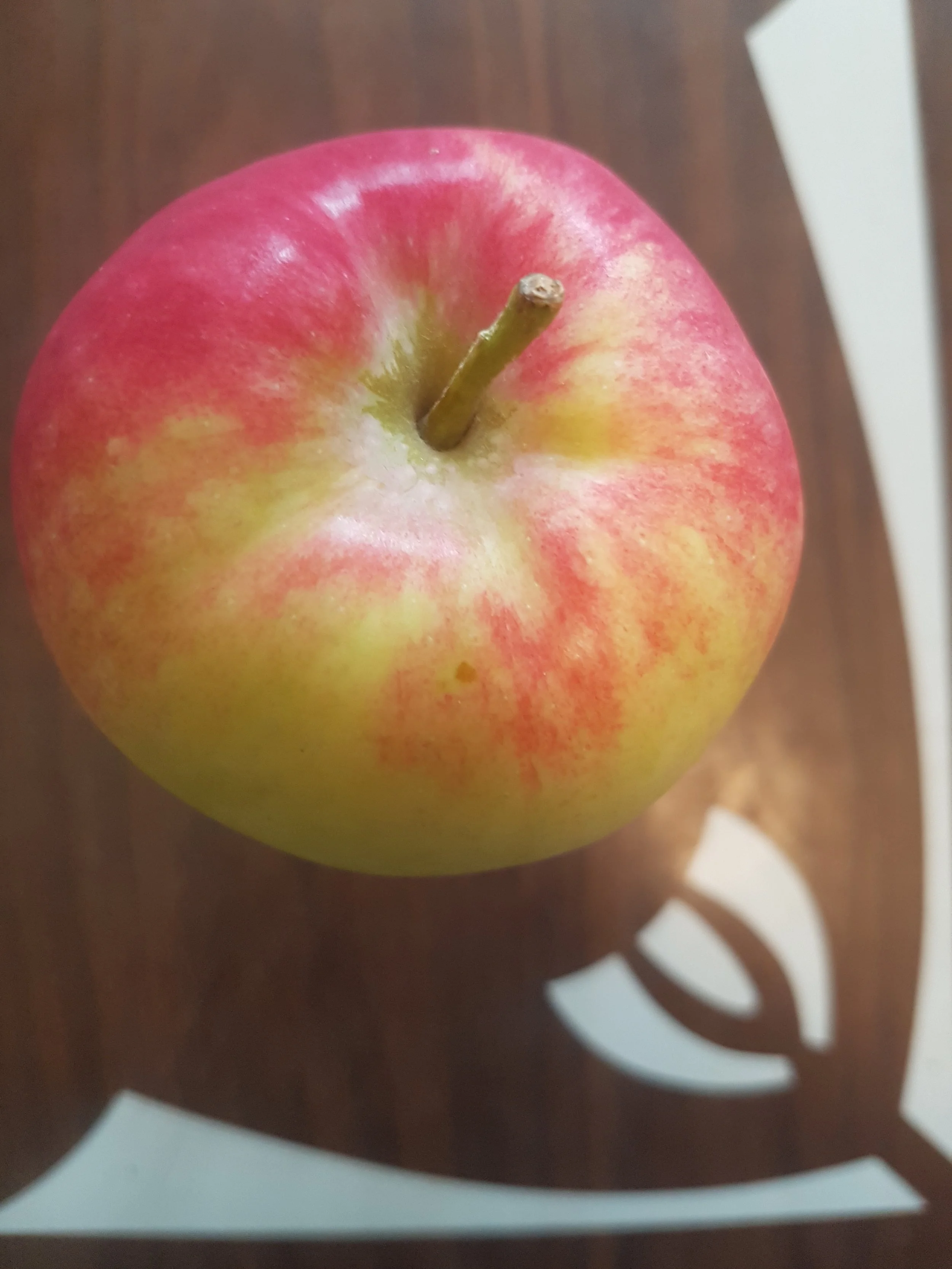
As American as apple pie or Johnny Appleseed… what could be more Anglo-Saxon than the apple? Well, guess what? Apples originate in Asia and I'm not talking about phones or computers. !

So what’s this about pigs in the kitchen?
What's a Smart Pig Kitchen? So what’s this about pigs in the kitchen?
Pig has for a long time been an insult to indicate one who hoards food. So don't hoard food, share it. Not virtually, or by donation. Eat with people IRL. Keep a pig in the kitchen to remind you that it's a Smart Pig Kitchen.
Why Everyone is Vegan
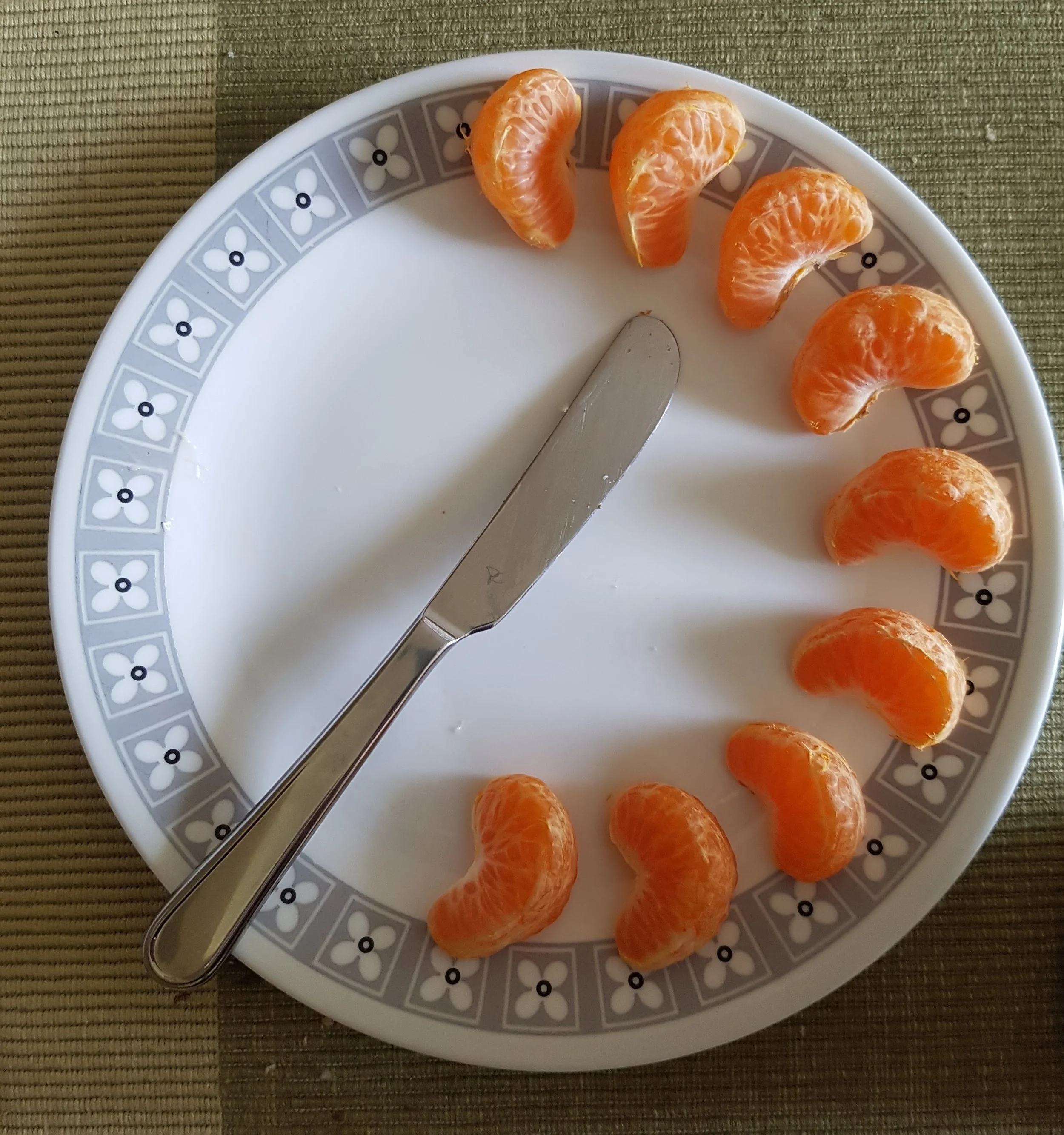
Have you ever eaten an apple or an orange? Well, guess what then? You’re a part time vegan just like everyone else.
Most of us know by now that veganism isn’t just about saving cute animals (a friend of mine from cooking school suggested we have a cute animal theme for a dinner we were hosting). Veganism is a also good for the environment and good for our hearts. So why aren’t we all full-time vegans?
How to Host One Guest for Dinner
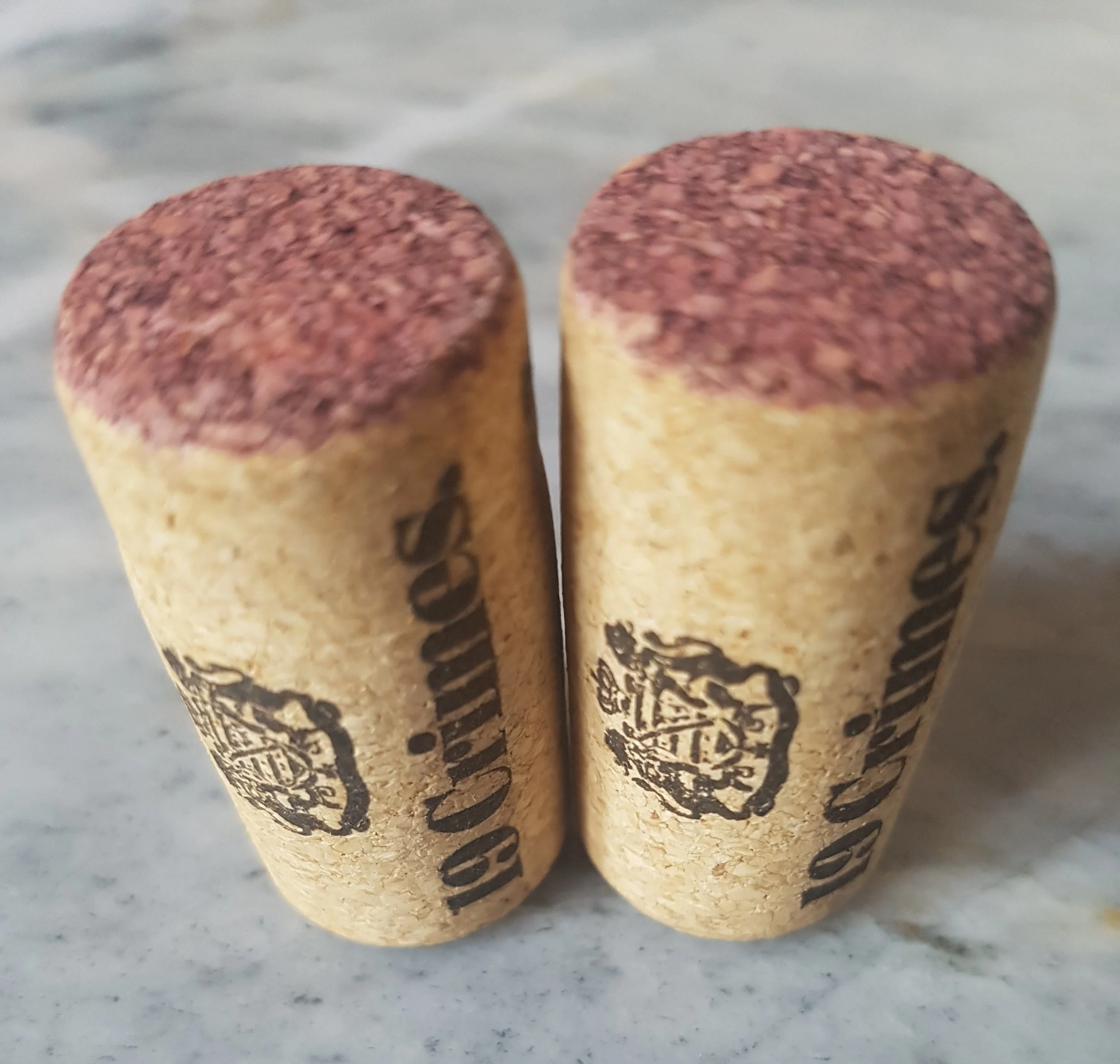
If you have a small space but still want to have someone over for dinner or even if you have a large space but want to host an intimate meal, this is your guide to hosting a dinner with only one guest.
The number one rule of hosting is make your guests comfortable and the number two rule of hosting one person is to try not to leave them alone. This is the biggest difference between hosting one person and hosting greater numbers. It doesn't mean you need to stick to them like glue, but remember they came to see you and you're the entertainment.