
Smart Blog
Discover our philosophy about human connection and wellness through sharing food, and meeting IRL! Tell your story to friends over a nice meal, and have a belly laugh!
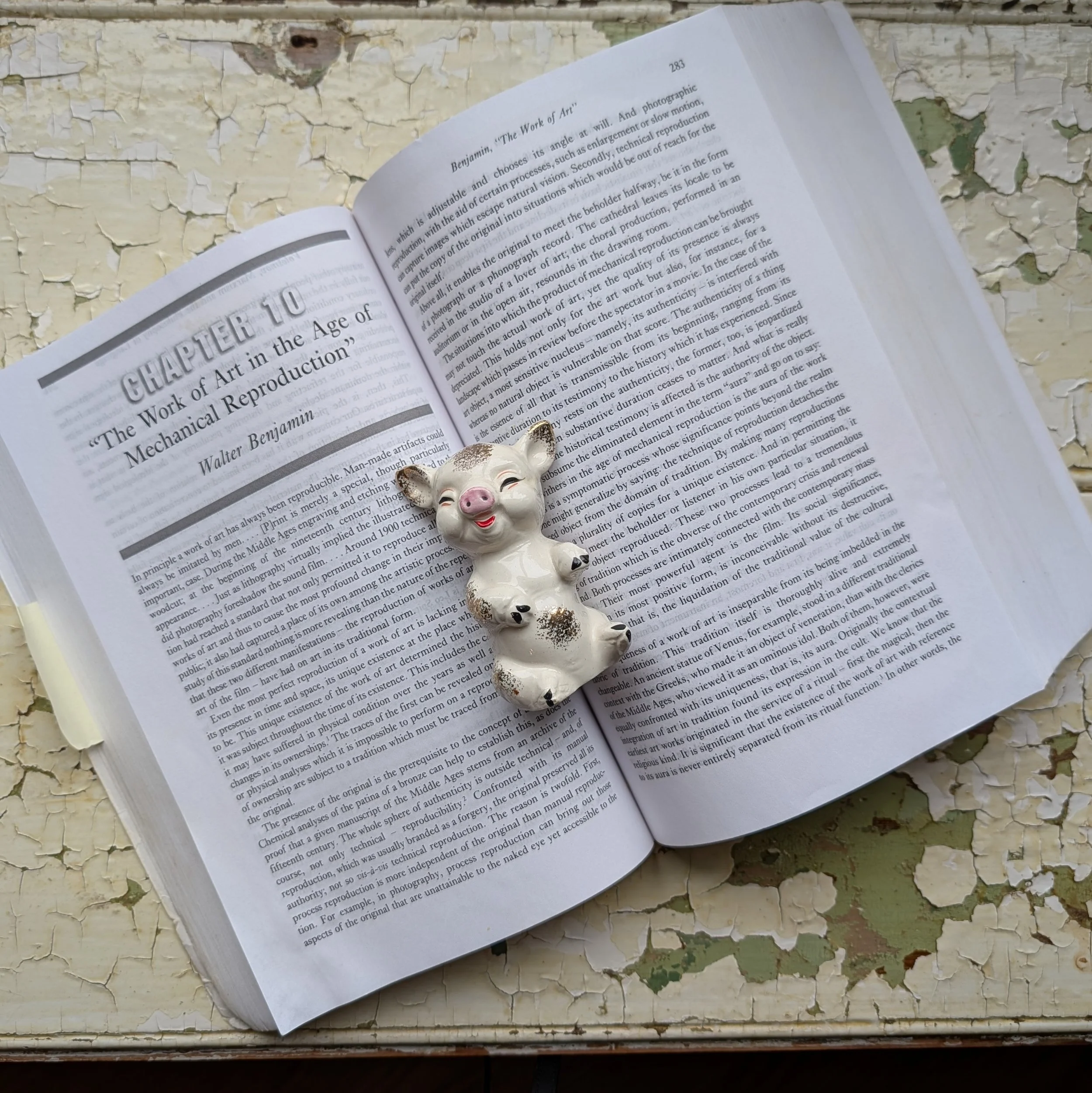
The Liturgy of the Multitude: Art in the Age of AI
The traditional sanctuary of the "original" has collapsed, not by a single iconoclastic blow, but through the relentless erosion of the **aura**. That unique phenomenon of a distance, however close it may be—the singular existence of the artwork in the time and space of its creation—has evaporated. In its place, we find the dawn of a new social democracy of art, where the authority of the "masterpiece" is liquidated in favor of a radical accessibility. All art becomes performative and social.
The Seasoned Perspective: Why Life is Best Taken with a Grain of Salt (or A Bud of Black Garlic)
There is a fundamental truth in the kitchen that applies equally to the human condition: **salt is the great balancer.** It mutes bitterness, enhances complexity, and makes the unpalatable not only edible but deeply nourishing. In my life, "taking it with a grain of salt" isn't just a metaphor for skepticism; it is a survival strategy.
When you live as a differently abled person, you are constantly reminded of a reality that most people spend their lives trying to ignore: everyone will eventually lose some of their capacity to function. To be human is to be in a state of flux. Facing this leaves one with two distinct choices: to be perpetually angry when the world doesn’t bend to your will, or to laugh it off. I choose the latter, not out of a lack of seriousness, but because I believe in having a sweet disposition.

Cook like a Child: Why It’s Never Too Late to Start
We often treat life like a race with a frantic "finish line" in our thirties. There is a pervasive myth that if you haven’t mastered your craft by the time you're thirty-five, you’ve missed the boat. We see teenage tech prodigies and Olympic gymnasts and assume our brains have simply "set" like concrete. Heck in 2026 I write a blog! And I love analogue ❤️
However, history—and a certain 6-foot-2-inch tall woman with a penchant for butter—proves that the most vibrant chapters of your life can start well after your "prime." Just so you know, I freeze my spoiled milk to use in baking ❤️
The Point of the Void: Cartesian Solitude and Environmental Ethics
“Where environmentalism is concerned, the only way to avoid criticism is to do nothing, say nothing, and be nothing. So go enjoy life a little already, but just a little“ –Smart Pig Kitchen
From the Heat of the Stove to the Heart of the Table: A Cartesian Guide to Slow Food
Stewing on Great Ideas
We are not merely "thinking things"; we are eating things, breathing things, and feeling things. There is a profound connection between the slow-cooking stove of a French philosopher and the global effort to preserve traditional foodways.
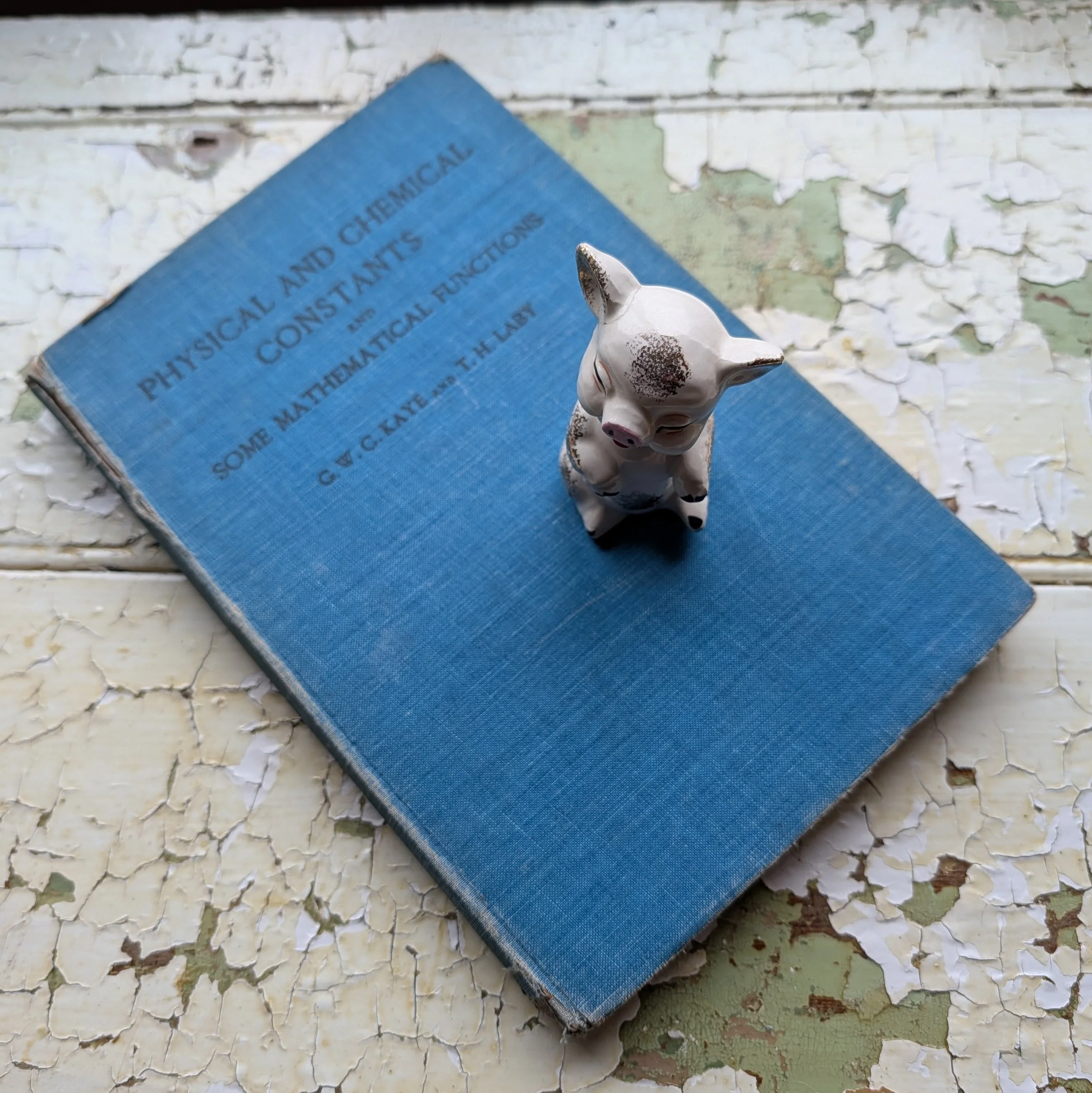
How Science Comes from God: The Miracle of the Cartesian Plane
The Cartesian plane is more than a set of crossed lines on graph paper. A Divine gift of clarity, it remains the essential foundation upon which the modern world is built. Without it, we would be lost in a sea of shapes, unable to calculate the path of the stars or the curve of a simple line.
So how does this relate to food? I'll let you know tomorrow…. But in the meantime have a nice chat about Descartes over a meal with a friend or soon to be friend! Share food: it's good for your health!
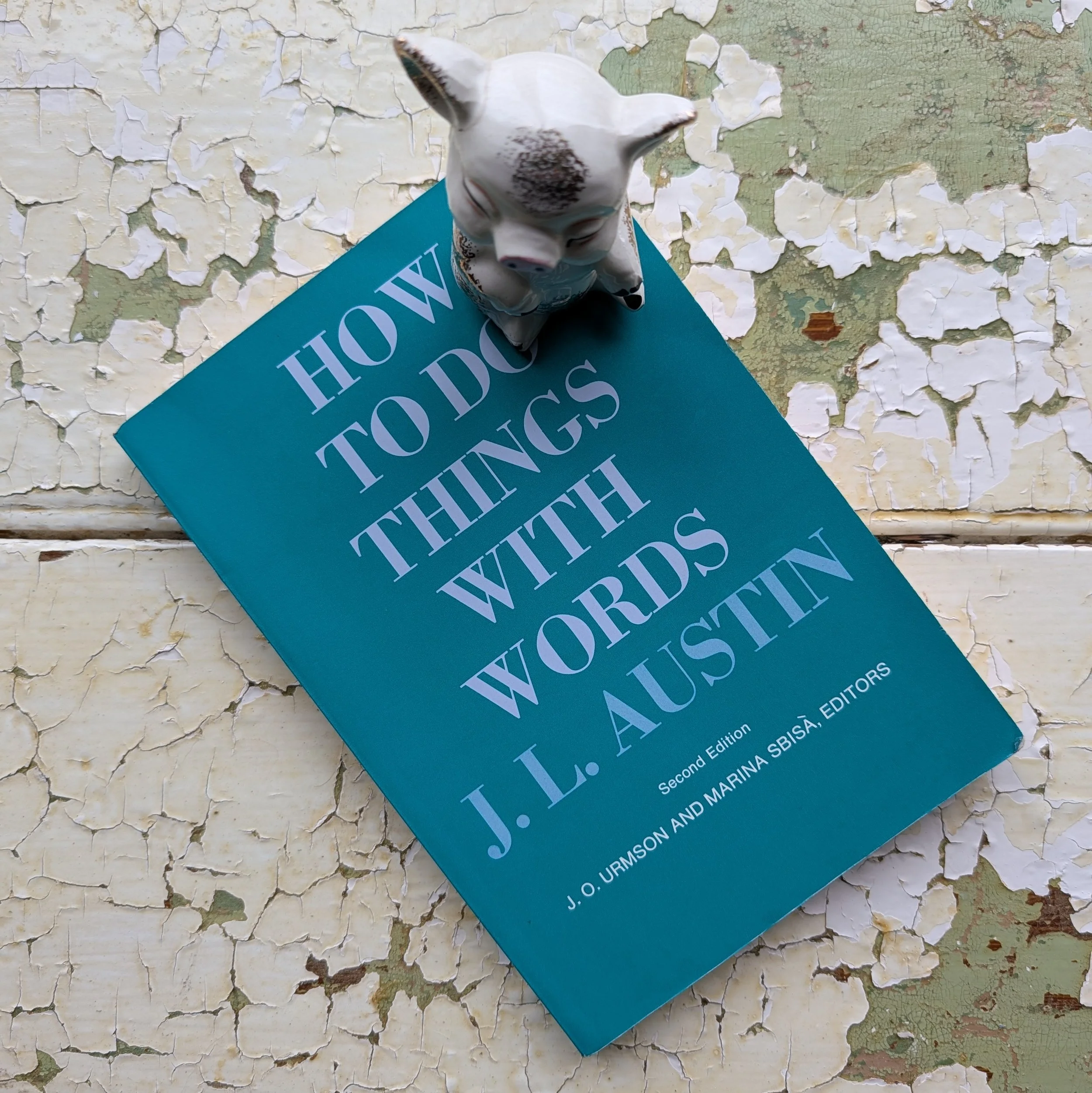
Speak Positivity: The Architecture of Breath: How Words Literally Shape Your World
We often treat words as mere descriptors—labels we slap onto a reality that already exists. But what if words aren’t just *about* the world, but are the very substance it’s built from?
The power of speech is a double-edged sword; it is a creative force that can just as easily be destructive. Whether positive or negative, our utterances act as a "breath" that influences the environment around us. Consider the famous (and often replicated) experiments where plants were subjected to different types of speech. Those "spoken to" with kindness and encouragement thrived, showing robust growth and vibrant leaves, while those subjected to verbal abuse and negativity withered or stunted. If a simple plant—lacking a conscious mind—responds so physically to the "spirit" of our words, imagine the profound impact our speech has on the human architecture of mind and body.
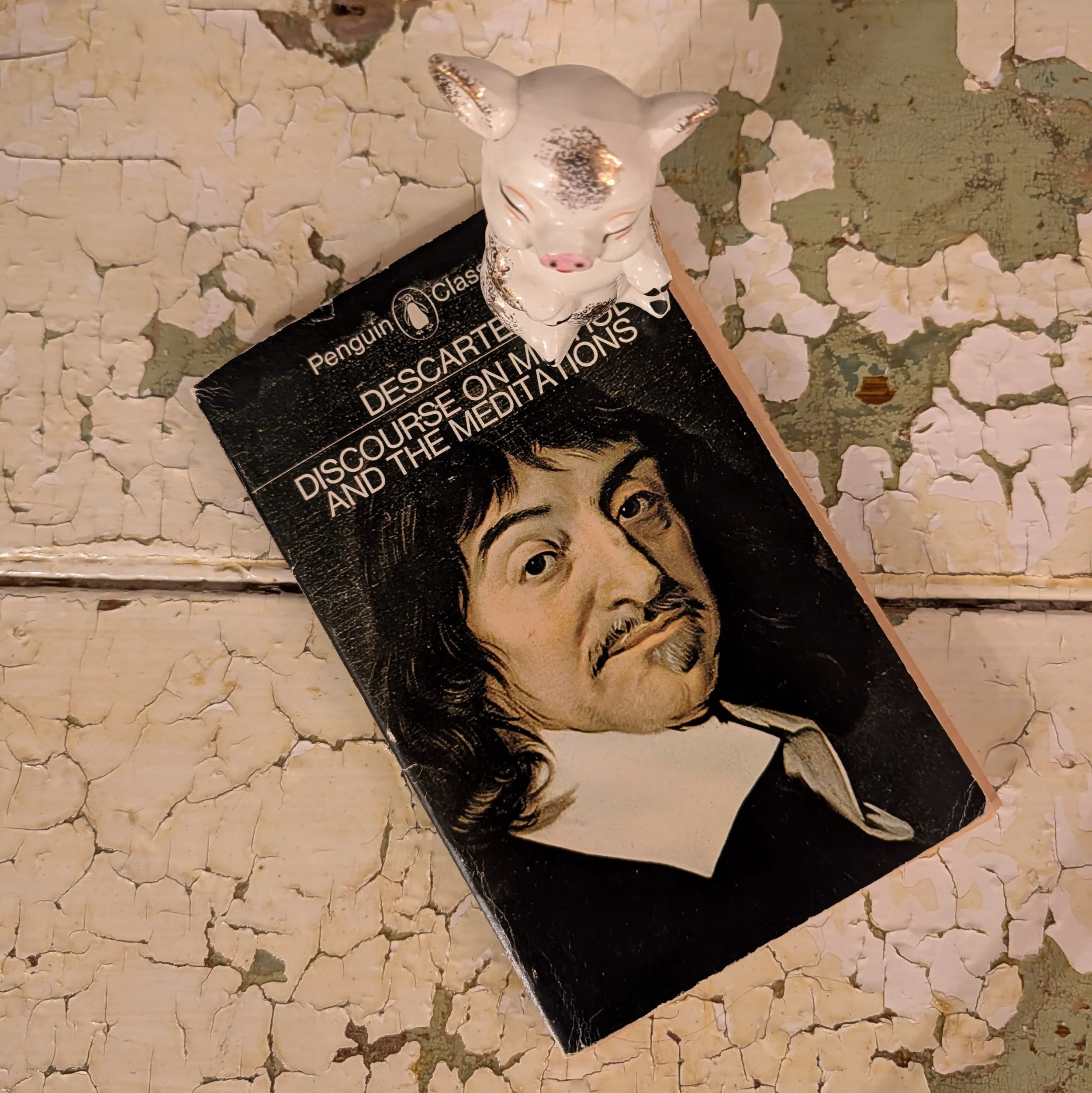
You’re Loved Extravagantly, Beyond All Reason
“And how could I deny that these hands and this body belong to me, unless perhaps I were to assimilate myself to those insane persons whose minds are so troubled and clouded by the black vapours of bile that they constantly assert that they are kings when they are very poor; that they are wearing gold and purple, when they are quite naked; or who imagine that they are pitchers or who have a body of glass. But these are madmen, and I would not be lass extravagant if I were to follow their example”
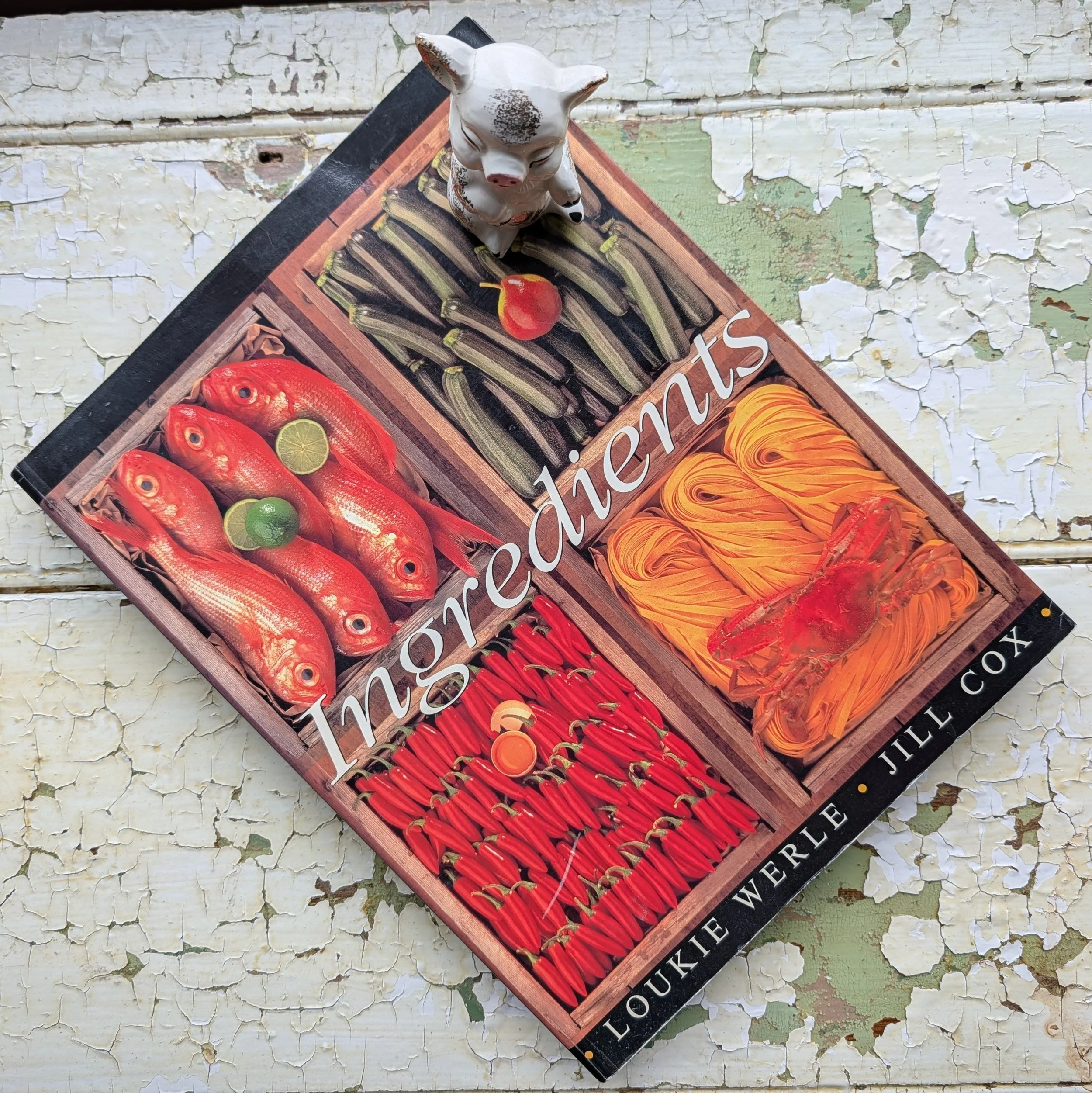
Supermarket Tourism: There's a World of Eating Healthy: Tourist Home Cooking
If you were in a Chinese Supermarket , and an older lady started putting stuff in your cart, would you buy it? I would! I like to go to grocery stores of different ethnicities, and ask the grocer or the other shoppers questions about what he or she likes, but also to locate the health food of that culture. Every culture has its nutritional powerhouses. I like to talk to restauranteurs about how they make the food I especially like to eat. Then I go home and cook and invent and eat… I'm not exactly a chef, being a chef requires very specialised skills, and years of experience… I'm a tourist home cook with a passion for healthy, accessibly-sustainable eating. So if I'm not a chef why would you eat with me? Why would you cook with me? Passion. You see, I've been eating and asking questions about food since I was a kid.
Reauthentication: Swap Culture: Dated Stuff: Timeless People
Let me tell you a secret: your stuff will outlive you. Enjoy it while you have it and don't worry too much about what it says about you. There's a good chance that what you bought in your lifetime won't be loved by your children as much as it was loved by you. But still the stuff will exist so let's hope it will be loved by someone else's children. So if you're going to buy something new, buy quality so someone will love it. Otherwise buy it used.
The Healthy Aesthetic: Get Outta Your Head: There's Something Subjective about Science and There's Something Objective about Art
Critics often argue that everything is "context." They point out that even medicine has historical biases (like using male subjects as the default) or that mathematics has a history. While true, history doesn't negate utility.
Take our number system. We use Arabic numerals globally today—not because of a cultural crusade, but because they work the best. Have you ever tried to do long division with Roman numerals?
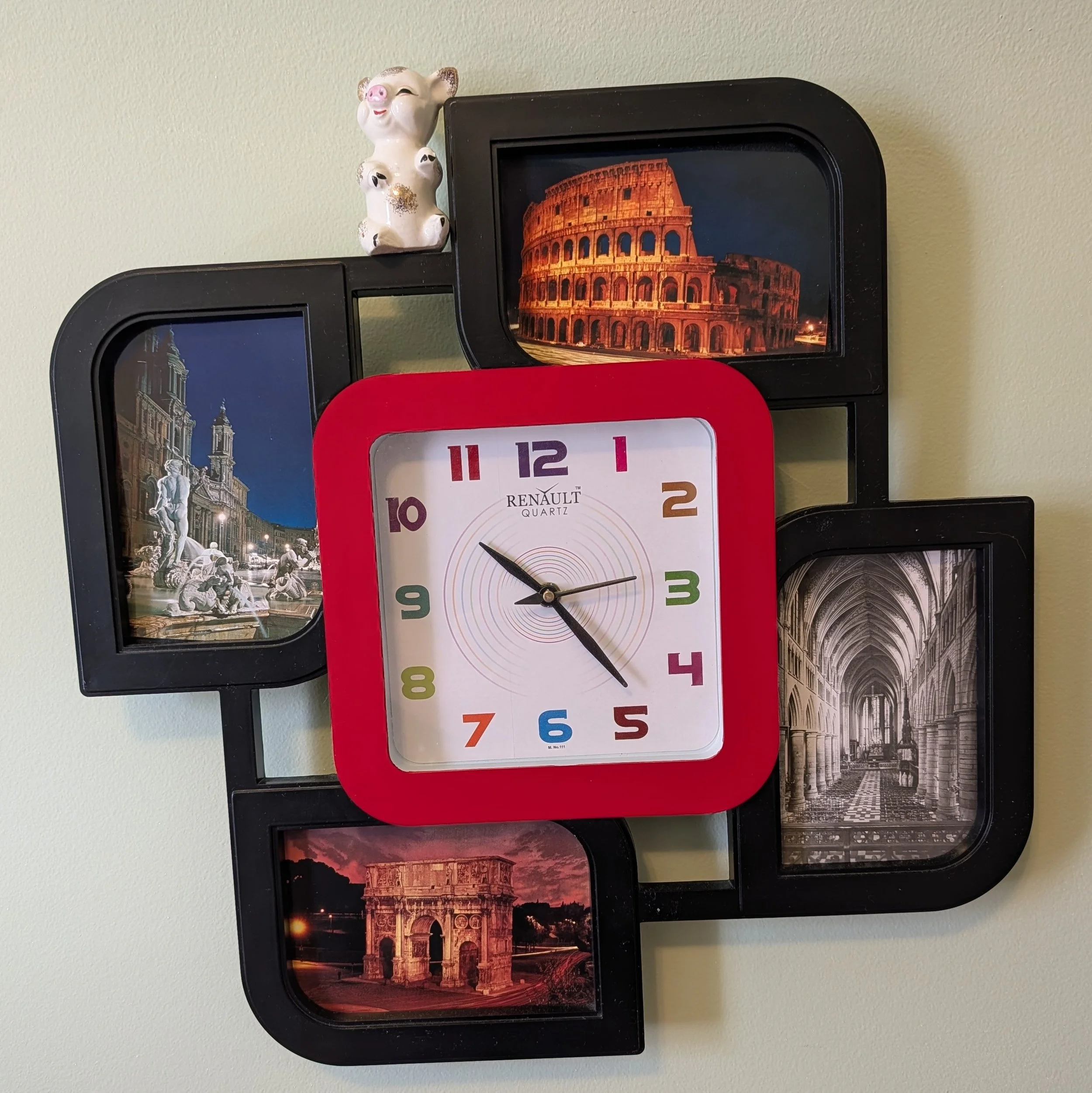
IRL: The Handcuffs of Time: Freedom from the Digital
By keeping my clock "broken," I’ve turned an instrument of measurement into an instrument of memory. It no longer measures how much time I have left; it measures how much beauty I’ve found.
May you see yourself in another’s eyes today, and may you always keep a timeless clock.
This Little Piggy Went Wee Wee Wee All the Way Home and Scottish Thistle
I'm not saying I'm morally superior to anyone: I've made mistakes. I've gotten angry and also I've been censored. I'm saying that humans need each other, we're social animals. Let people be: don't hold people down because of what they say. Words inform our perceptions, and they can be constructive or destructive. The brain is plastic so try to be positive and project positivity because it's good for your health.
Low Hanging Fruit: Why I Try to Eat a Low-Impact Diet (And Where the Meat Fits In)
Why the distinction? Because I believe we should name foods, not people. Focusing on the food shifts the focus from identity to impact. And for me, adopting a mostly plant-forward way of eating isn’t about joining a club; it’s about acknowledging a powerful truth.
Eating more vegetarian food is a fundamental win-win-win situation.
Fusion Confusion or Fusion Infusion? Everything is Made; Everything is a Remix so Play with Your Food
And hey, if we're making an international list of the most nutrient dense foods, we gotta learn how to use bitter melon in Italian cuisine or watercress in Mexican cuisine. Sometimes fusion is bad that’s fusion confusion, but sometimes it's amasing! Think of Bahn mi! FUSION INFUSION!
The Second Reason Why I'm Catholic: I think God talks to me but maybe that's not so crazy here's why
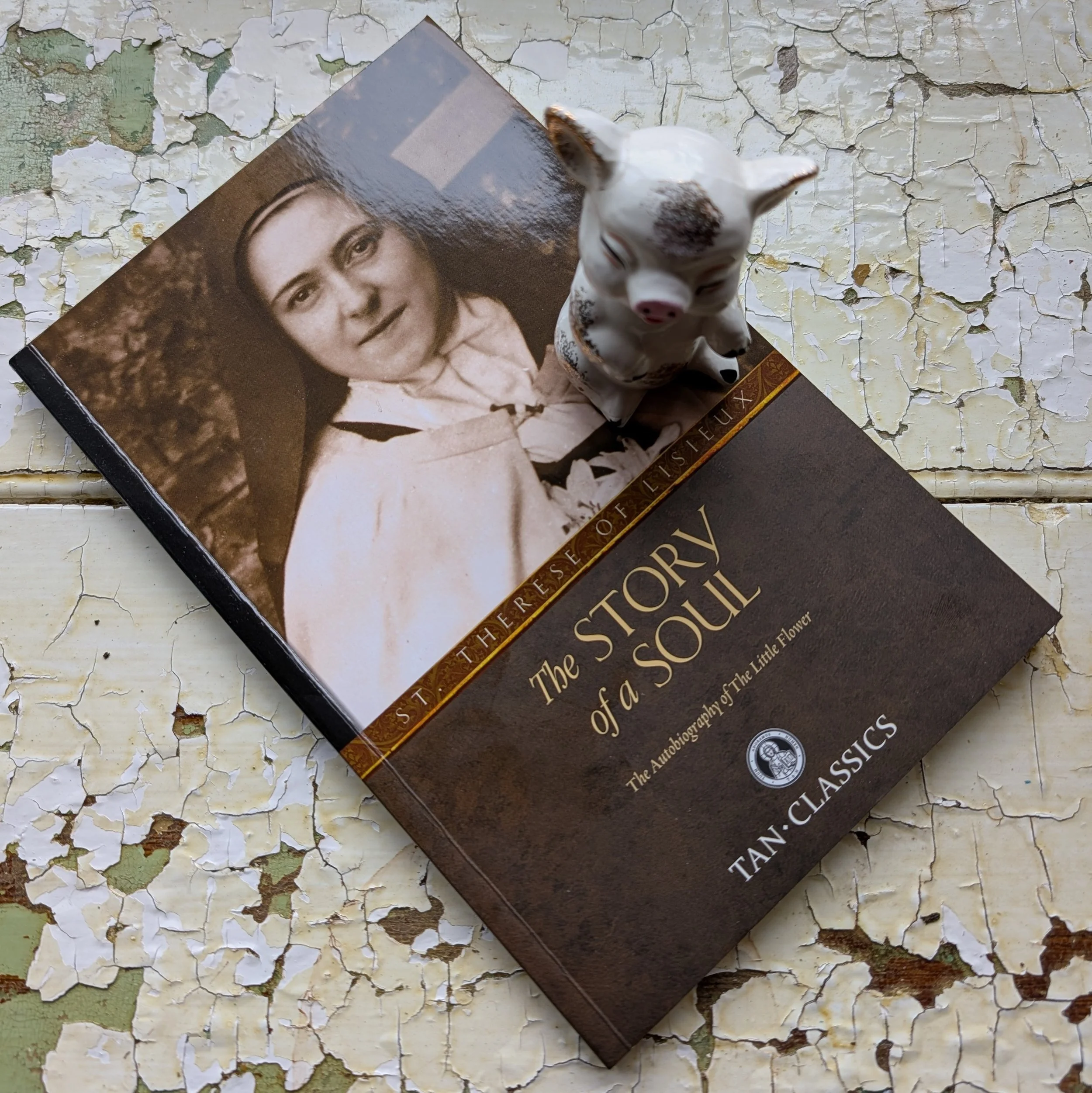
I don’t think I’m a prophet. I don’t think I’m God, and some days, I don’t even think I’m a particularly good person. But I do believe God talks to me… Catholicism is Truth to me, but you don't have to be Catholic to be inspired. Creativity has a divine aspect to it, and Art that appeals to all of us as human beings is the most beautiful because it's the most healthy.
Black and White Pepper: Spice Up Your Life: AI and Wage Equity
One thing I've learned about being different and about life in general: you don't always get to choose. Humans are like black and white pepper, slightly different but mostly serving the same function, and in a pinch one can act as a substitute for the other. Circumstances are what they are and you can only choose how you view them. What everyone needs is perspective, and a belly laugh. So pick your nose, and pick your friends, but don't ever--and I'm very serious about this--pick your friends noses.
Finding the Sweet Spot: Seeking Win-Win Situations Everyday: Tiny Homes; Big Hearts
Tiny Homes; Big Hearts. Life is all about perspectives. For me, being differently abled doesn’t mean a closed door to work; it means my contribution is unique. It’s about seeing value differently. Take healthcare, for instance. It's a fundamental social good, yet it’s built on a complex web of work and cost. I see the world through a similar lens, striving for situations where everyone benefits.
The First Reason Why I'm Catholic: An Error of Omission
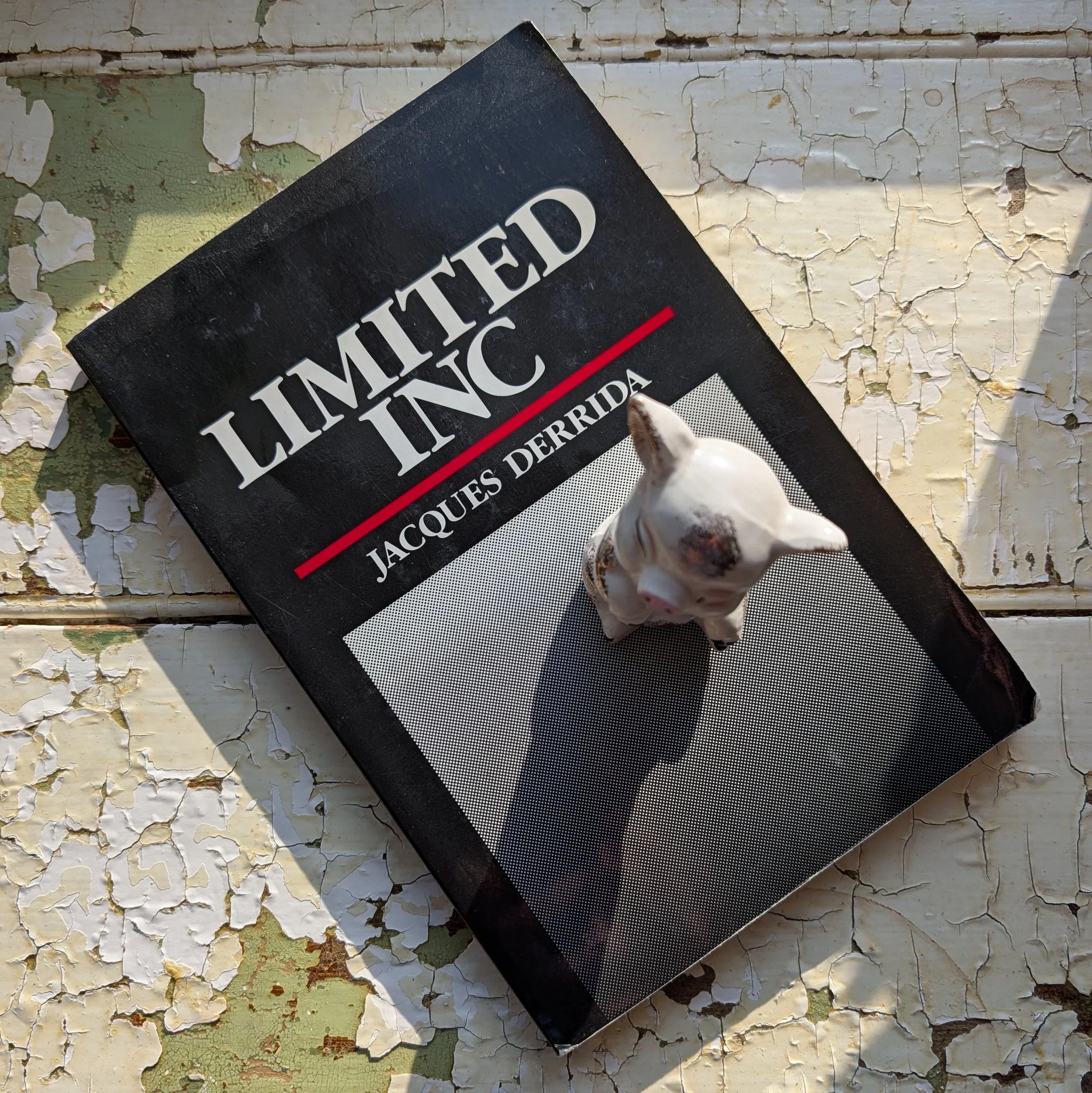
In my twenties I studied the history of Western philosophy; it is often told as a triumphant march of Reason. But in the mid-20th century, a famous intellectual skirmish broke out over what—or Who—was left behind on that march. The debate centered on a few pages of René Descartes’ Meditations, but it opened up a chasm between two of France’s greatest thinkers: Michel Foucault and Jacques Derrida.
At the heart of the conflict is a haunting question: Is "madness" a biological reality we’ve learned to treat, or is it a category we invented to keep "Reason" pure?
The Cartesian Doubt: Can the Thinker be Mad?
In his First Meditation, Descartes sets out to doubt everything to find a foundation for certainty. He wonders if his senses are deceiving him, acknowledging that people in "insane asylums" believe they are kings when they are poor. However, Descartes quickly brushes this aside. He argues that while he can doubt his senses, he cannot be "mad" because the very act of systematic, rational doubting requires a sane mind.
* Foucault’s Interpretation: In Madness and Civilization, Foucault argues this is a "judicial exile." By excluding the madman from the realm of thought, Descartes establishes Reason by forcefully ousting its opposite. Madness becomes an "error of omission"—a silence at the heart of the Enlightenment.
* Derrida’s Rebuttal: Derrida argued that Foucault misunderstood the text. For Derrida, Descartes didn't exile madness; he surpassed it by imagining an "Evil Genius" that could deceive even a sane mind. Reason doesn't lock madness out; it looks into the abyss and finds the Cogito ("I think") anyway.