Smart Blog
Discover our philosophy about human connection and wellness through sharing food, and meeting IRL! Tell your story to friends over a nice meal, and have a belly laugh!
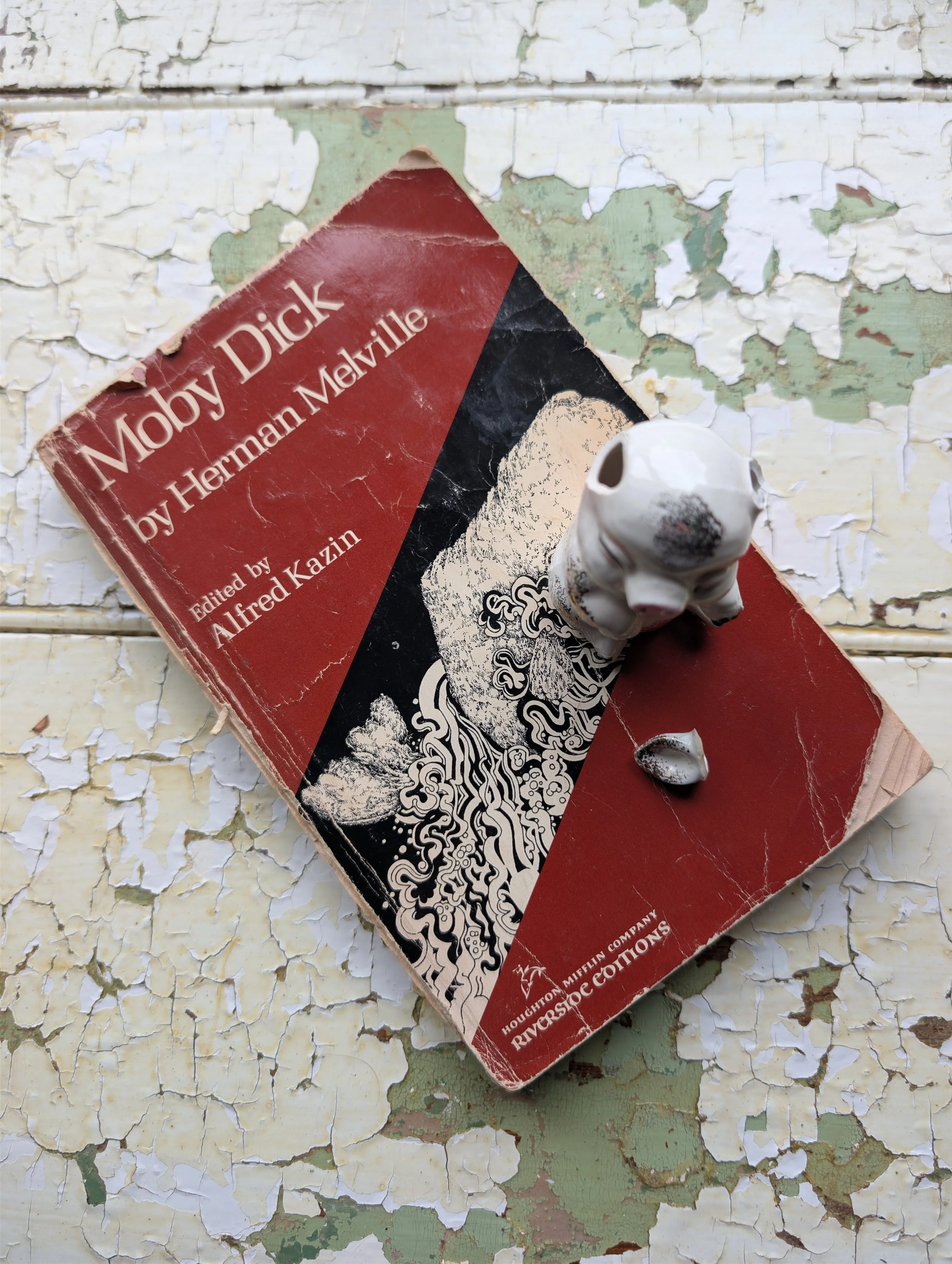
People Think the World Is Controlled by Writers, But It Isn't—It's Controlled by the People Who Control the Food: A Wee History of the Spice and Sea Trade
Human history is usually written through the lens of philosophy, religion, and political manifestos. We credit philosophers, prophets, and revolutionaries with shifting the borders of empires. Yet behind every ideological movement lies a stark logistical truth: empires do not march on speeches; they move on calories, agricultural commodities, and trade networks.
Long before political theory was codified, the desperate need to preserve, flavor, and transport food built the world’s first globalized trade routes. Spices—cloves, nutmeg, cinnamon, and black pepper—were not mere culinary luxuries. They were high-value, lightweight trade assets that functioned as global currency and motivated the mapping of the planet’s oceans. Sovereign power has rarely belonged to those who write the law; it has always belonged to those who control the sea lanes that feed the world.

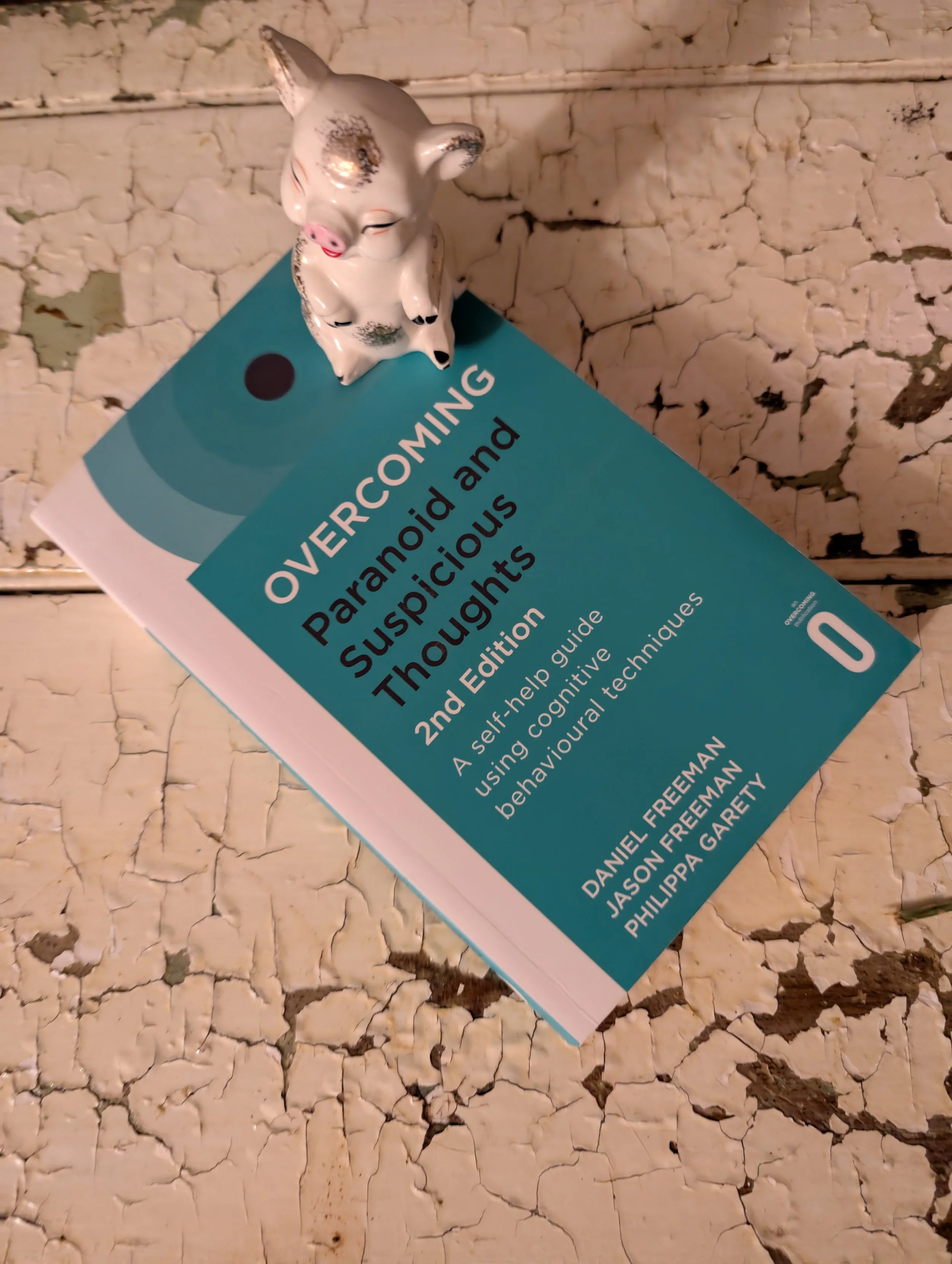
God Save the Nerds: Another Man I Wouldn't Want to Know, But Am Glad Existed: John Nash
I am deeply, unapologetically glad to be less intelligent than John Forbes Nash Jr. And I hope I am better liked interpersonally.
Hyper-brilliance of Nash’s magnitude is rarely a gift to the person who possesses it, and it is almost never a gift to the people who love them. Nash moved through the world with an icy, alienated arrogance, treating human relationships as minor inconveniences compared to the vast architecture of his own mind. Given the choice between his world-altering IQ and my own modest intellect—paired with the ability to build warm friendships, maintain a loving home, and actually be liked by the people around me—I would choose my average life every single time.
Yet, humanity needs its radical outliers. Nash was a deeply flawed, often cruel man, but his existence fundamentally reshaped how we understand human behavior, mathematics, and global strategy.
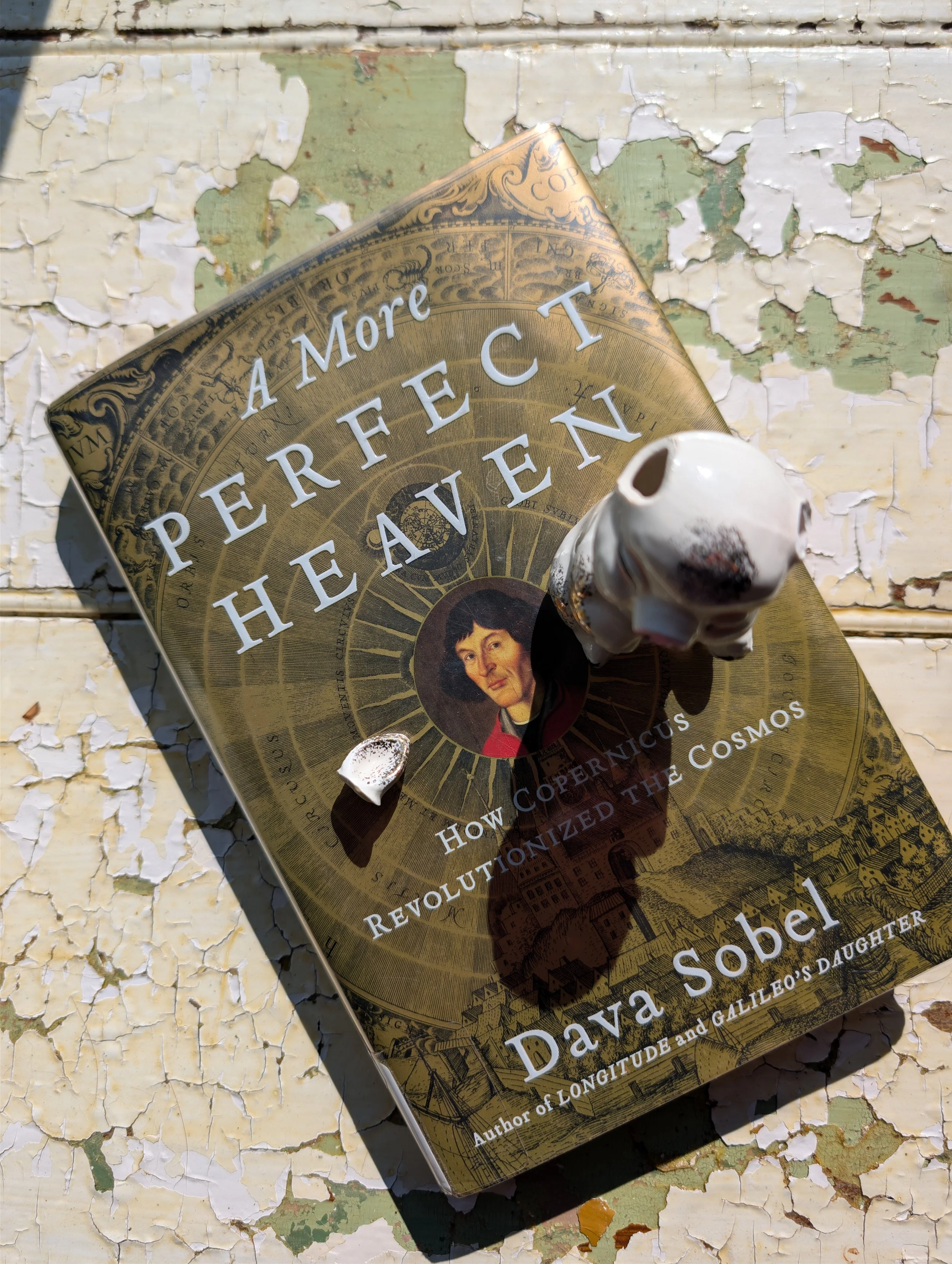
Keep the Cheese on your Plate: Everyone Hated Newton and Many Disliked Galileo
Intellect isn't a popularity contest. Now, I'm no genius, I'm just a nerdy Catholic woman but I've read a few books and I want you to know that
to look back at the origins of modern science is to look at a rogue's gallery of deeply unpleasant, abrasive, and socially impossible human beings. We tend to romanticize historical figures, turning them into serene marble busts of pure intellect. But if you had to share an office, a dinner table, or a neighborhood with Isaac Newton or Galileo Galilei, you likely would have detested them.
Understanding why they were hated—and how modern society would treat them today—reveals a crucial lesson about human variation, tolerance, and how we handle those who think and act outside the social norm.
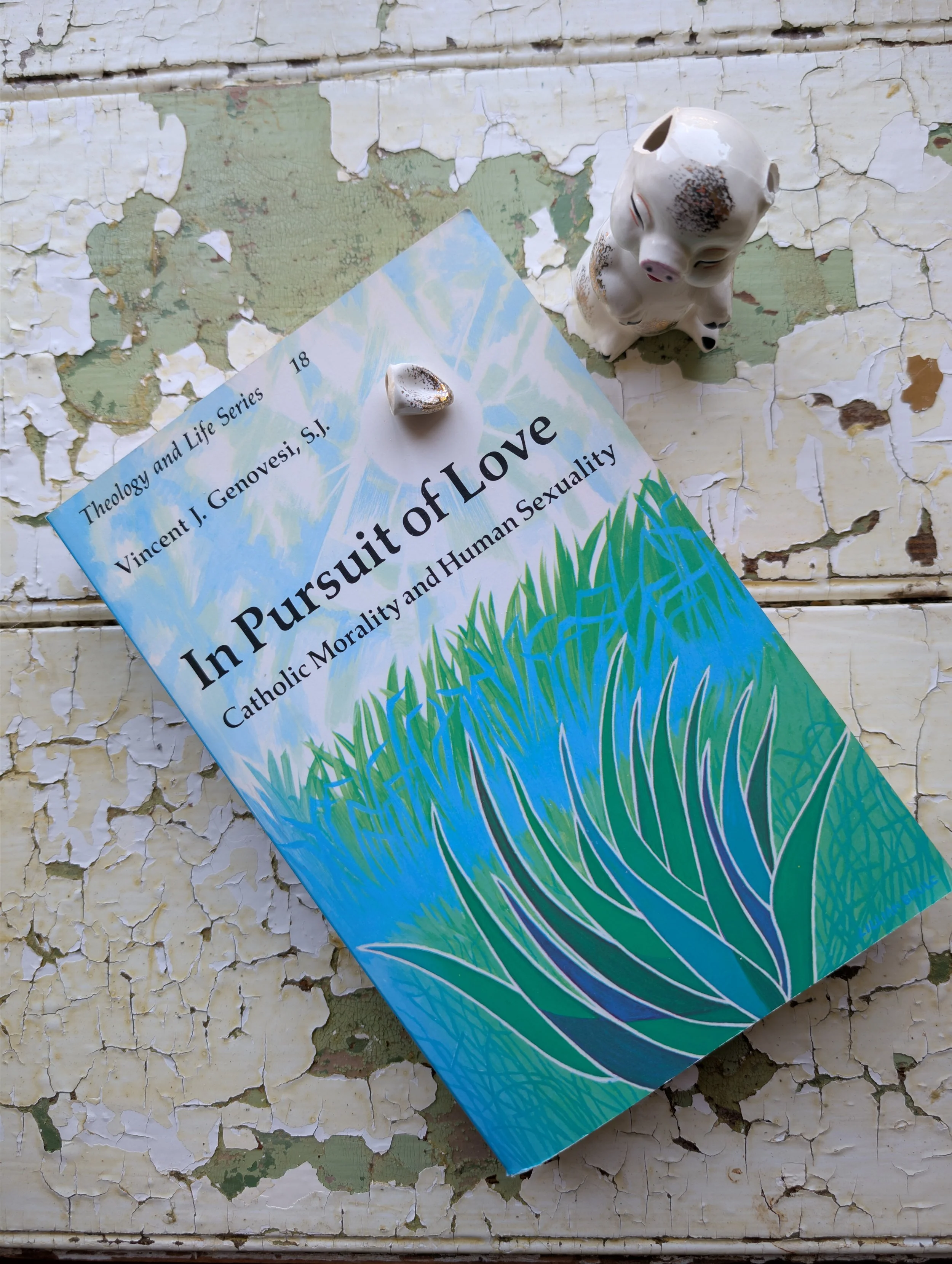
Males and Females are Different; But There's no such thing as Superiority. Gender is part a Healthy Part of Courtship because Language is Always Biased.
Remember the medical term for a woman's genitals is the sheath of a sword. You could get angry about this, but really? Does it really matter? It's better to accept that language is always biased and let him be a knight in shining armour if that's what he wants to be.
There's a lot of physical variances in the world. For example in bellybuttons, some people have an inny and some an outy. When it comes to sexuality, what if we are a series of actions we perform rather than a blueprint? What if what you have dictates more how you perform than how you feel about someone else?

The Language of Love: The Hydra of Sexual Difference VS Laughter, Couplehood, and the Human Dance
I always wanted to be a mother, it's a natural feminist thing to want.
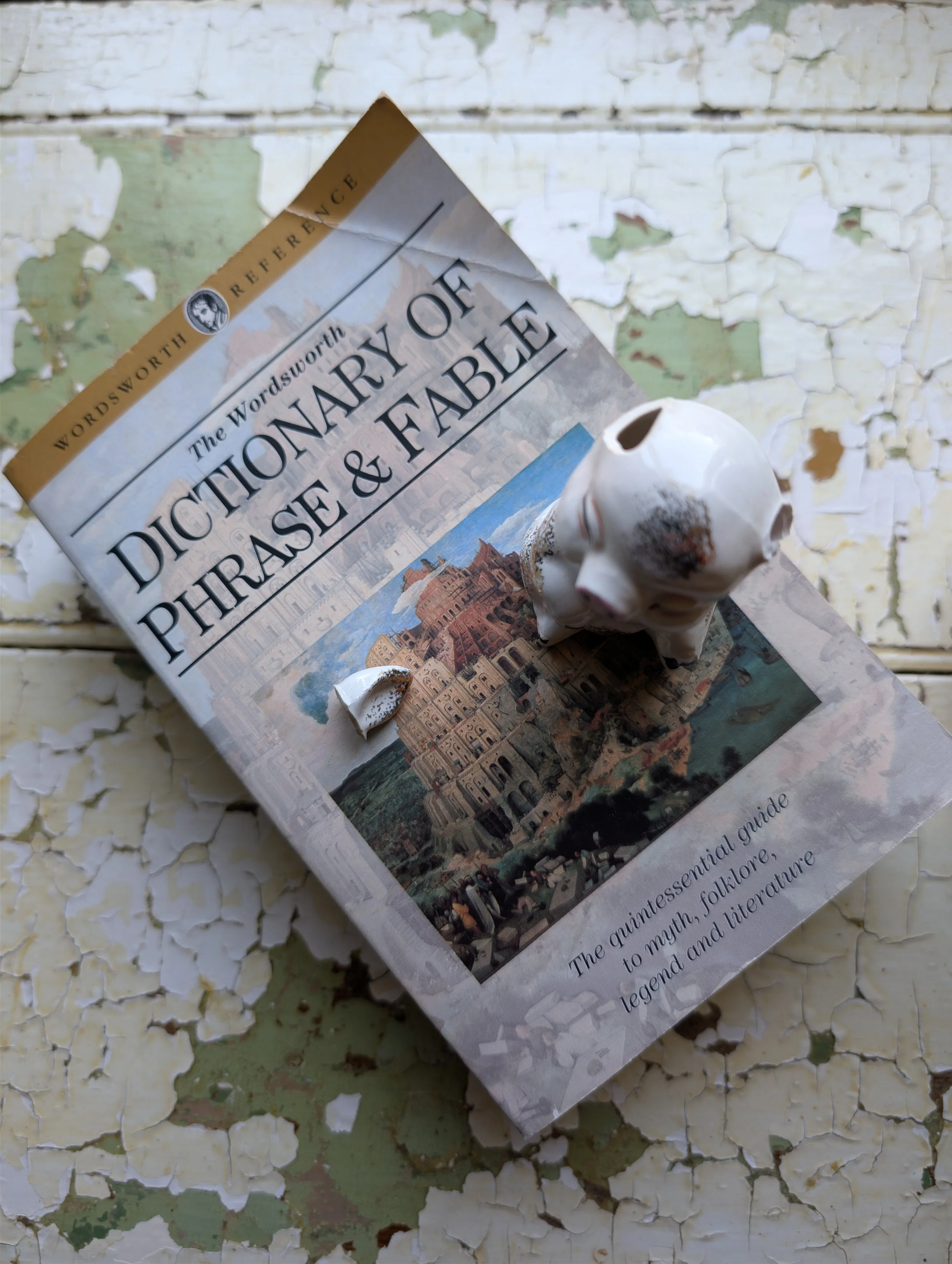
For many who came of age navigating modern feminist literature, Simone de Beauvoir’s The Second Sex felt like a mandatory rite of passage. In my twenties, its cultural reach was inescapable, fundamentally shaping how a generation viewed identity, power, and womanhood. Yet looking back with time and lived experience, Beauvoir’s legacy reveals itself as a kind of ideological hydra: every time modern theory claims to have slain a gender disparity, two new anxieties sprout in its place.
The Hydra of Negative Discourse and the Importance of Human Kindness in Everyday Life
Do No Harm: “You need Power, only when you want to do something harmful otherwise Love is enough to get everything done.” –Charlie Chaplin
When I was about 25 I visited Columbia University in NYC, because I had a boyfriend in NYC, All Momin (His name means The Believer which was ironic because at the time he described himself as agnostic. I don't know what his religious views are presently because too many people share his name so I can't find him ) I went to visit Edward Said’s office, but the door was closed so I decided to go for a walk. I crossed the street unknowingly into Harlem, walked for a block and then someone told me I don't belong there without hurting me. So I left and went back to Alphabet city to Al’s apartment. This whole experience I found deeply saddening. What I hope for the world is for people of different kinds to live side by side in peace and without ghettoisation. I think strangely enough, that environmental damage and AI will help us accomplish this because the environment will be the great equaliser.
Breaking the Mold: Putting the Human Back in Contact and Living in the Here and Now
We live in the most connected era in human history, yet millions of us feel profoundly out of touch. We scroll through endless streams of other people’s lives, stream real-time events from across the globe, and delegate our thoughts to predictive algorithms—all while sitting isolated in quiet rooms. We are visually saturated, digitally tethered, and emotionally starved.
To break this mold, we don't just need to put down our phones; we need to re-learn how to inhabit our own skin, make genuine contact with the world around us, and plant our feet firmly in the **here and now**.
What does Elon Musk eat for lunch? Empathy and Agape
I used to think I had empathy for Musk, but I don't. I don't identify with him, I have agape for him. So I'm feeling like I ought to send him some food.
Eating food offered by the hand of a stranger is an exercise in building trust. It requires a quiet suspension of self-preservation, a willingness to digest what you did not prepare, and an acknowledgment that the person across the table holds power over you, if only for the duration of a meal. To receive hospitality from someone whose world is completely foreign to yours is to take a leap into vulnerable reliance.
To understand why that distinction matters, we have to look past standard definitions. Throughout philosophy and theology, *agape* has been assigned many meanings—tge most beautiful of which is divine self-sacrifice, selfless goodwill, or the purest form of unconditional love. But while it is easy to extend unconditional love to a neighbor, a child, or a like-minded peer, the purest and most challenging form of agape occurs when it crosses a border. In its earliest communal expressions—most notably the historical *agape* feast—it had a far more tangible, radical meaning: **agape is the meal offered to someone foreign.**
The Lost Art of Directness: Why We Need to Let People Say Dumb Stuff
Language is fundamentally biased, you cannot escape it's historicity. Heck, even our number systems have historicity. No matter how many algorithms we train or how meticulously we try to edit public discourse, we will never sanitize human communication into perfect neutrality. We belong to Planet Earth, a place inhabited by flawed, emotional, and often clumsy human beings. We need to keep those human beings in the picture ❤️
Yet we now live in an era where privacy is largely an illusion—a world where digital devices record, archive, and remember every offhand remark, poorly worded thought, or momentary lapse in judgment. In trying to police every word written and spoken, we’ve driven ourselves collectively mad.
Stop Essentialising People and Love Where You Live: You are the Kindnesses you Perform
The Other in Diversity Equity and Inclusion Studies
In DEI studies, postcolonial theory, and gender studies, Hegel’s concept of **Otherness** and the **struggle for recognition** is used to explain how power dynamics, marginalization, and institutional inclusion work.
Here is how his ideas are applied:
* **Creating "The Other":** Dominant groups often position themselves as the neutral norm (e.g., male, white, Western) and define marginalized groups as "the Other." Thinkers like **Simone de Beauvoir** (gender) and **Frantz Fanon** (race) used Hegel to show how this dynamic denies full humanity to non-dominant groups.
* **The Need for Mutual Recognition (*Anerkennung*):** Drawing on the *Master-Slave Dialectic*, DEI frameworks argue that true inclusion requires two-way recognition. Privileged groups cannot have a healthy culture while denying validation to others; real equity requires mutual respect, not just passive tolerance or forced assimilation.
* **Institutional Alienation:** When company or school cultures are built around one dominant perspective, marginalized people experience them as a hostile, foreign "Other." Real equity transforms the institution so diverse identities belong natively.
* **Key Critique:** Scholars like Glen Coulthard argue that asking a dominant system for "recognition" keeps power in the hands of that system, rather than dismantling the power structure altogether.
> **Bottom line:** In DEI, Hegel shifts the focus from a headcount of diverse people to a **rebalancing of power and recognition**. Inclusion isn't fitting "the Other" into a mold—it's changing the mold so everyone has equal standing. How do we break the mold? Stay tuned….
There are Smart Pigs All Over the World (and Stupid Ones too!!)
The G20 represents the most powerful economies on the planet. Its 19 individual member nations span multiple continents, language families, and major world religions. They debate trade, climate, and global security, and they rarely agree on everything. However, there is one bizarre cultural consensus that unites them all: they all use the pig as a linguistic punching bag.
If we look at the idioms across all 19 member nations of the G20, the pig is universally drafted to describe humanity's worst traits. But also, as you'll see, there are Smart Pigs throughout all these nations
.
The Quince-essence, the Quince-essential: The Interesting Story Behind this Amasing Fruit.
With its striking golden hue, intense floral aroma, and shape that sits somewhere between a knobby pear and a lumpy apple, the quince (Cydonia oblonga) is one of the ancient world's most revered fruits. Yet, walking down a modern supermarket aisle, you might miss it entirely. Raw, it is notoriously stubborn—hard, astringent, and sour enough to make your mouth pucker. But apply a little heat and sugar, (or some figurative heat and sugar–as I'm going to show you a new way to love it) and the quince undergoes a spectacular alchemy, transforming into a deep ruby-red, fragrant delicacy that has captivated civilizations for millennia.
Theatre de Spice: Someone Fire This Translator
You stop. You tilt your head. Your brain tries to parse the linguistic car crash in front of you. Is it "The Spice Theatre"? "Theatre of Spice"? "Theatre from the Spice"? It is a translation so delightfully clumsy that it practically demands you fire the translator.

The Art of the Perfect Host Gift: Why Beeswax Candles Reign Supreme
There is a distinct, almost timeless charm to being invited into someone’s home for a dinner party—an evening dedicated to analog conversation, carefully crafted food, and shared company. But with that gracious invitation comes the eternal question: what do you bring the host?
The ideal gift must express gratitude without imposing a burden. It turns out, the ultimate token of appreciation isn't a unpredictable bottle of wine or a decorative trinket. It is the simple, elegant beeswax candle.
Dining Etiquette: The Social Art of the Table: Rich and Happy
At its core, etiquette is rarely about knowing which fork to use for the salad course. Instead, it is an ancient, deeply human practice of signaling respect, facilitating comfort, and sharing sustenance. The very words we use to describe our dining partners reveal this truth.
The terms "company" and “companion” trace their roots back to the Late Latin word *companio*, which is formed from *com-* (meaning "together with") and *panis* (meaning "bread"). To be a companion is, quite literally, to be someone with whom you break bread.

Home Cooking is Craft; Fine Dining is Art
In the world of gastronomy, there is a fundamental divide that has nothing to do with the quality of the ingredients and everything to do with the intent of the maker. While both involve the transformation of raw matter into sustenance, home cooking and fine dining occupy two entirely different philosophical spaces: one is a craft, rooted in utility and repetition; the other is performance art, rooted in spectacle and the ephemeral.

When the Plate is the Stage: Fine Dining is itself a Mini-Vacation in 2026
While the casual dining industry has largely shifted toward the efficiency of automation and delivery—resembling a predictable, automated transaction—fine dining exists in an entirely different psychological and economic category. It is not merely a meal; it is a sanctuary of human craftsmanship and connection.
Here is why fine dining remains an unshakeable pillar of the culinary world in 2026.
Rooted in the Community: Why Afterschool Native Plant Programs Are the Future of Environmental Education
When I was a child, it was the fashion to collect and trade stickers, but what if children could become excited and empowered about plants? Children, like all of us, don't like to be told what to do; what if we imparted knowledge about native plants and invasive plants to them and asked them to teach it?
When we teach children about environmentalism, we often zoom out too far. We talk about melting ice caps, global emissions, and saving rainforests thousands of miles away. While these issues are critical, their sheer scale can leave young minds feeling helpless. If we want to cultivate genuine environmental stewardship, we need to zoom in—right down to the soil in their own backyards.
By establishing afterschool programs focused on native plant identification and ecology, communities can transform children from anxious bystanders into active, empowered environmentalists. But the benefits of these programs extend far beyond the classroom. Armed with this knowledge, youth can revolutionise how their families manage their properties and even launch neighborhood micro-businesses that bridge generational divides.
Imagine you're older, you've lost your spouse, and you live in your home alone but chores like gardening have become increasingly difficult. Then one sunny day a group of children knock on your door and offer to talk to you about native plants and do your weeding….
Here is why native plant education is the perfect catalyst for community-wide environmental change.